We strive to be the best organization in Kenya in Empowering the community in sustainable management of natural resources and improvement of llivelihoods.
These are our normal opening hours. When we are closed can be found here.
Sustainable use of energy is critical to improvement of the quality of life as well as promotion of environmental protection.
Use of renewable and sustainable sources of energy for cooking in rural areas reduces incidents of respiratory diseases especially amongst women and children who spend a lot of time in the smoke filled kitchens that are usually not well ventilated. This will not only save the forests but will reduce the medical burden on the health sector as well as the households.
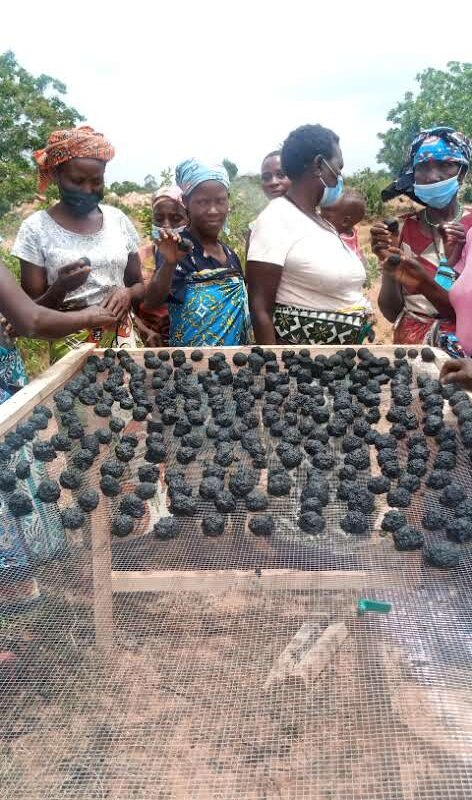
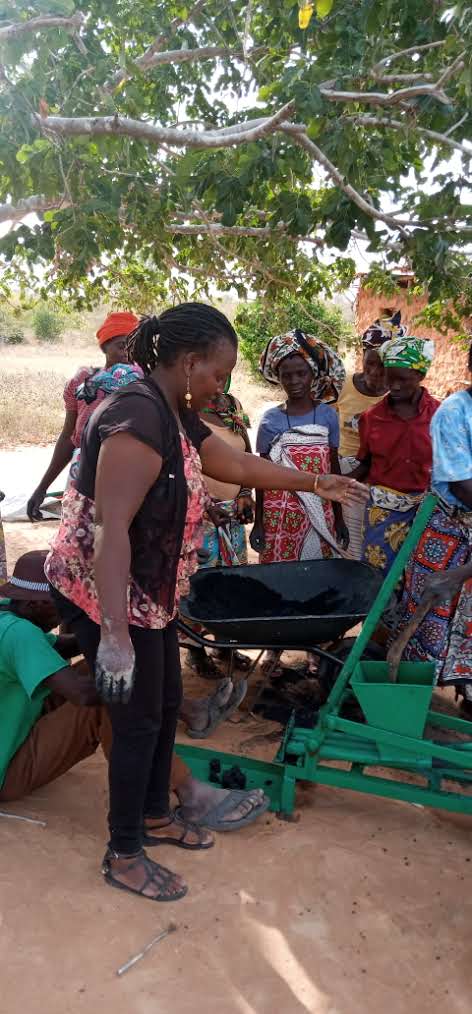
Biogas, energy efficient stoves,small solar lights and making charcoal briquettes from plant biomass are some of the ways to introduce sustainable energy use in rural areas.
Enhancing the capacity of the rural communities on energy conservation as well as emerging technologies would go a long way in the achievement of energy sustainability.
Giving financial and other incentives would encourage the communities to access as well as embrace energy conservation methods. For example provision of daily or beef cows and biogas as a loan or grant would make biogas accessible to farmers .
Implementation of policies and regulations governing the energy sector is very important in the promotion of energy conservation. This would include tax waiver in the importation of renewable energy equipment, ensuring that builders are abiding by the energy efficiency regulations and standards.
Energy conserving jiko made from mud and cement in MagariniFabricated briquettes making machineSun-drying briquettesBriquettes making training at Lango bayaMaking charcoal briquettes
In a step towards sustainable waste management, Kwetu Yetu CBO recently conducted an informative training session at Cafe Papayesh, situated in the Sun Park area on Wednesday 21st August 2024. The initiative, spearheaded by Julia Wahome, a Kwetu Yetu CBO representative, focused on educating local businesses about proper waste segregation practices.
The training, aligned with recommendations from the National Environment Management Authority (NEMA), took place at Cafe Papayesh, owned by Jane Mwangi Muriuki. This event underscores the cafe’s commitment to environmental sustainability and responsible business practices.
During the session, Wahome emphasized the importance of waste segregation in promoting a circular economy and improving community livelihoods. She explained how proper waste management contributes to environmental conservation and economic benefits.
A key aspect of the training focused on composting organic waste. Wahome highlighted that composting adds essential nutrients to the soil, fostering the growth of primary producers that form the base of the food chain. This practice not only reduces landfill waste but also contributes to healthier ecosystems and potentially improved agricultural yields.
The training also addressed the critical issue of plastic waste management. Participants learned about the importance of recycling and reusing plastics to reduce the environmental burden, particularly on marine ecosystems. “Every piece of plastic we recycle or reuse is one less piece that might end up in our oceans,” Wahome noted.
To put theory into practice, Kwetu Yetu CBO delivered labeled waste bins to Cafe Papayesh. These bins are specifically designated for different types of waste, including separate containers for paper waste and organic waste. This practical addition will enable the cafe to implement waste segregation immediately, ensuring that each item is directed to its appropriate upcycling or recycling route.
Jane Mwangi Muriuki expressed her enthusiasm for implementing these new waste management strategies at her cafe. “With these new bins and the knowledge we’ve gained, we’re ready to make a real difference in how we handle our waste,” she said.
The initiative by Kwetu Yetu CBO is part of a broader movement towards a circular economy, where waste is minimized, and resources are used more efficiently. By educating and equipping local businesses like Cafe Papayesh, the organization hopes to create a ripple effect of sustainable practices throughout the community.
As the training concluded, both Wahome and Muriuki were optimistic about the impact of this initiative. The provision of labeled bins serves as a tangible reminder of the cafe’s commitment to sustainable waste management and sets an example for other businesses in the area.
With the success of this training and practical implementation, Kwetu Yetu CBO plans to continue its efforts, reaching out to more businesses and community members to spread awareness and provide resources for sustainable waste management practices.