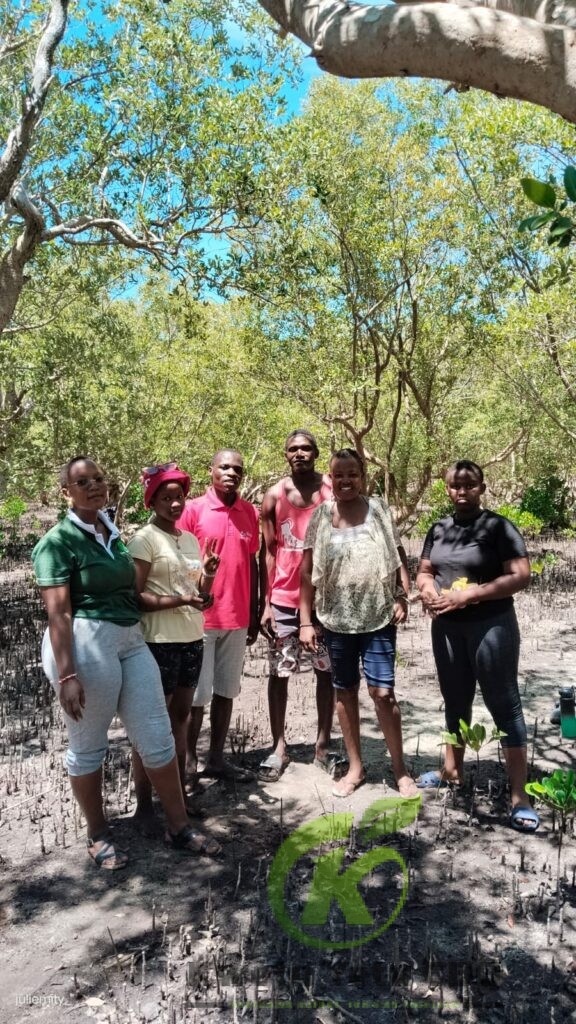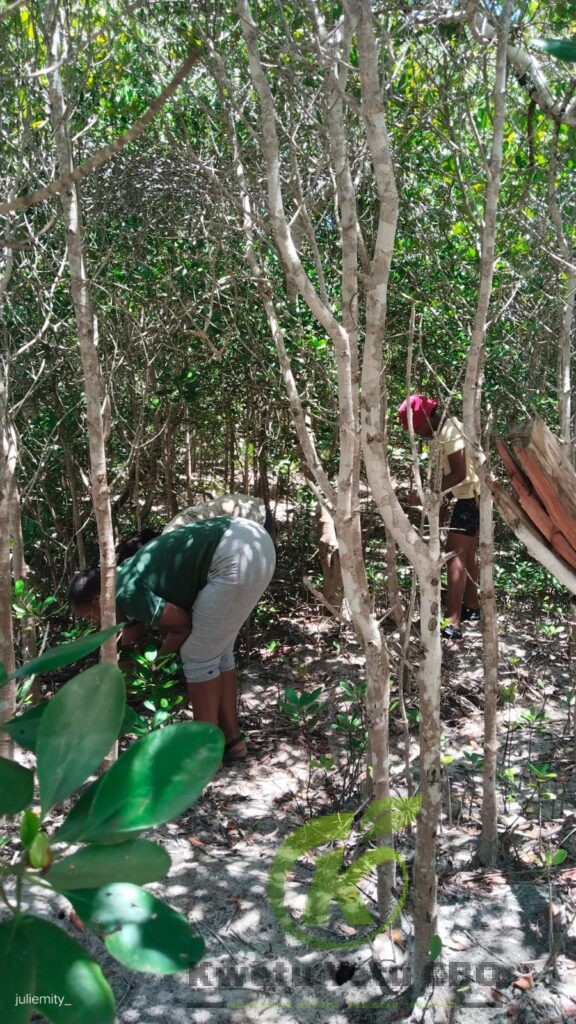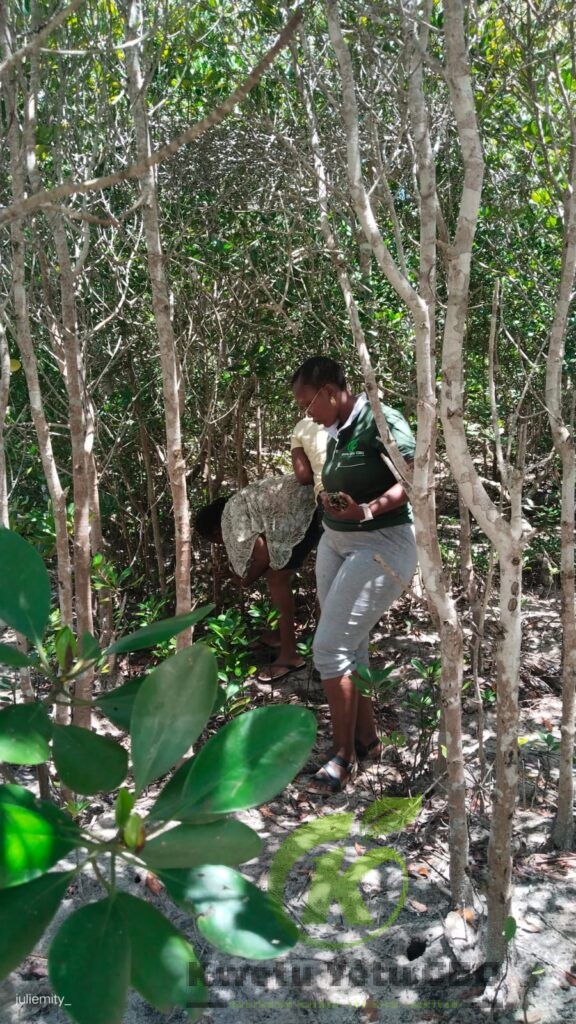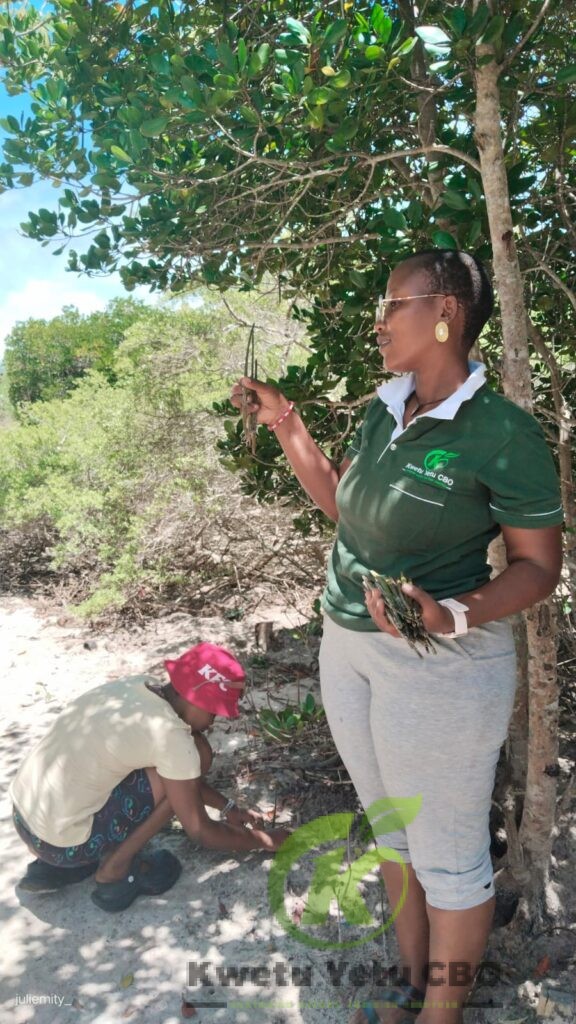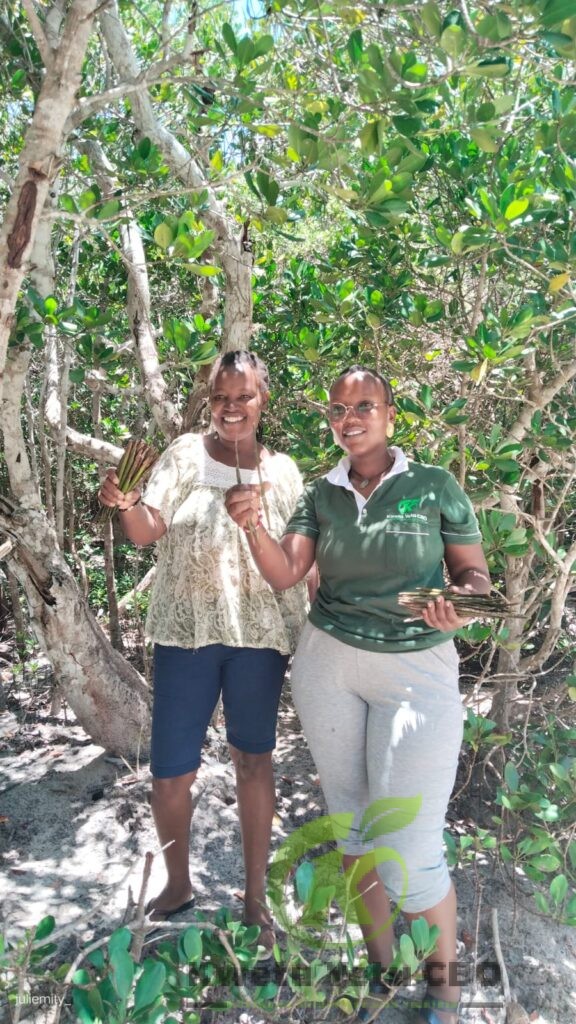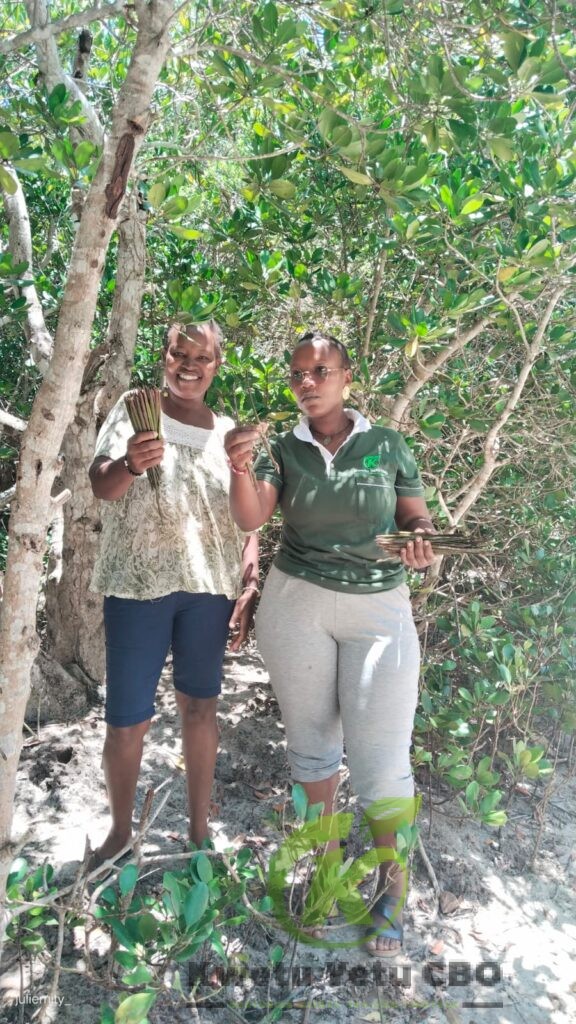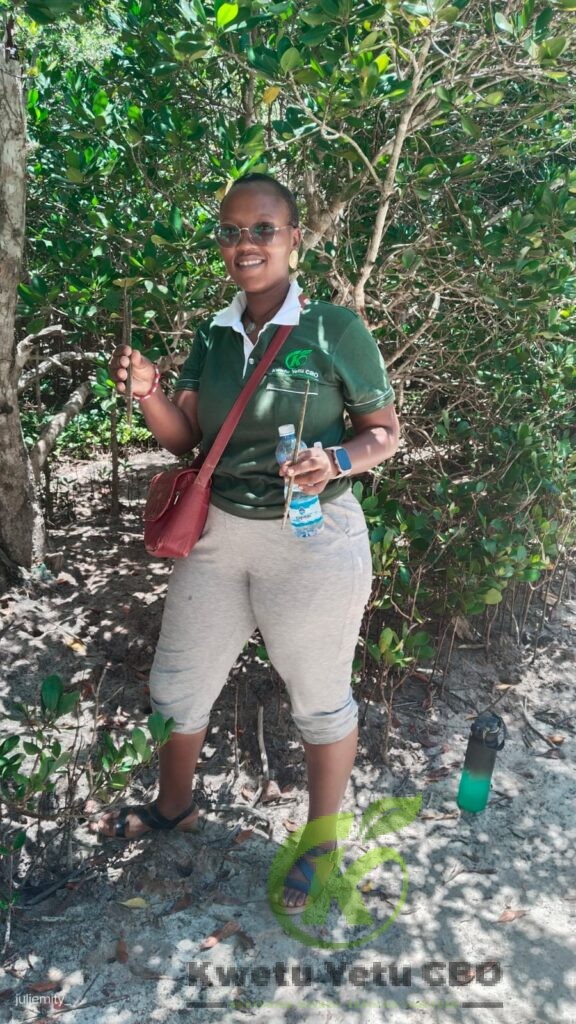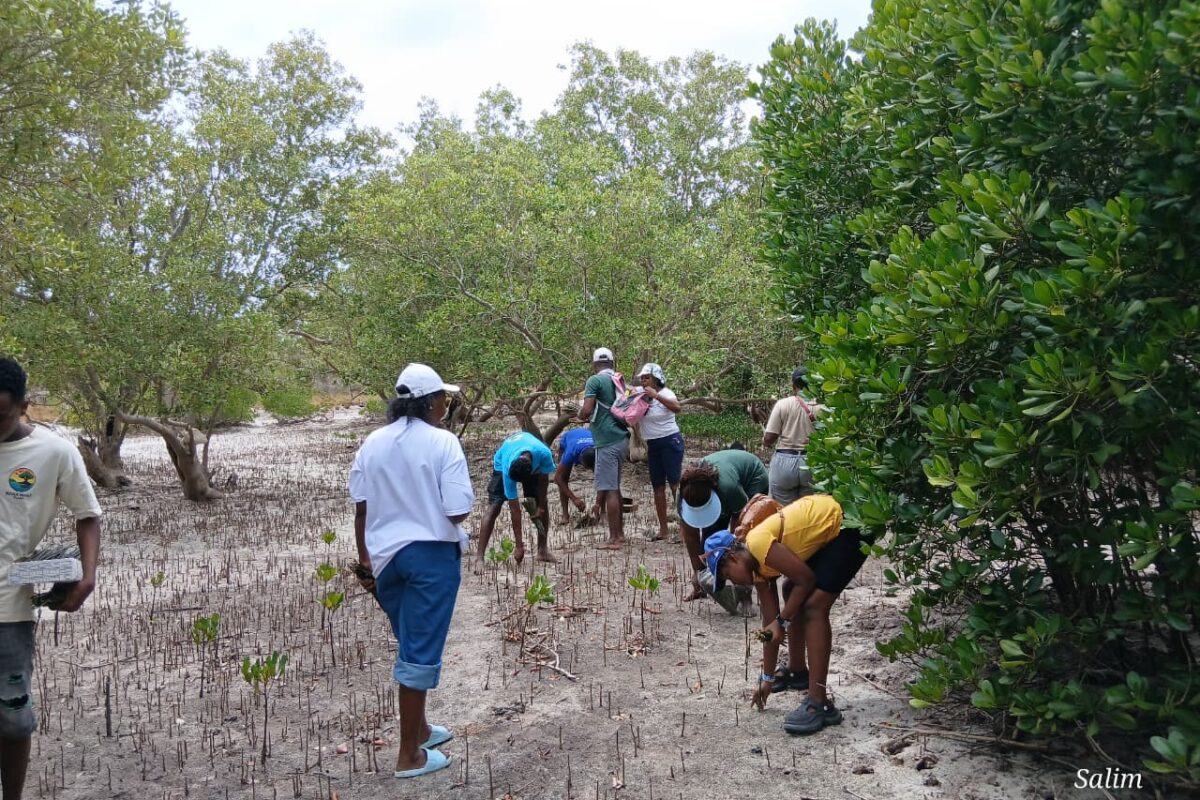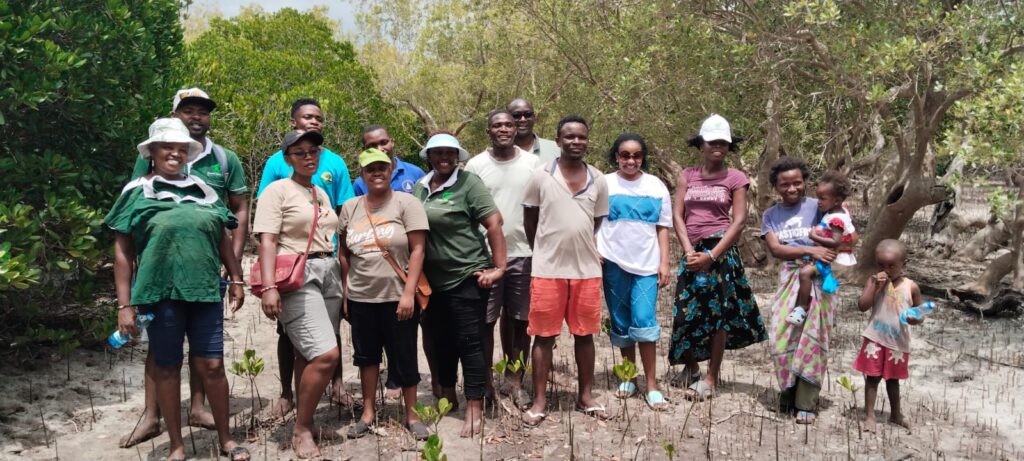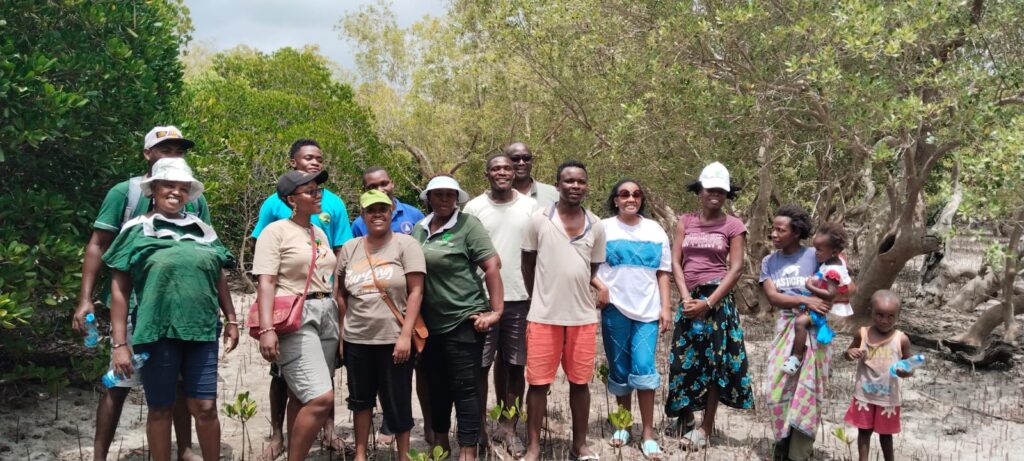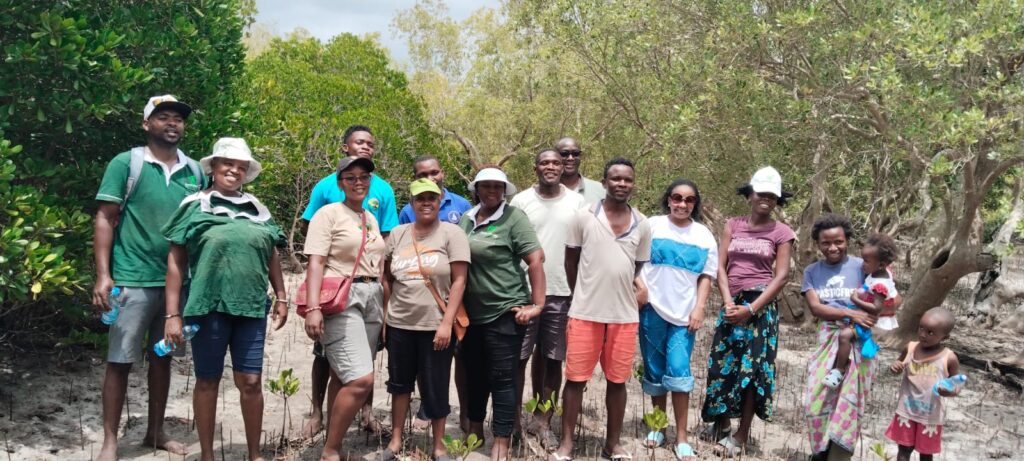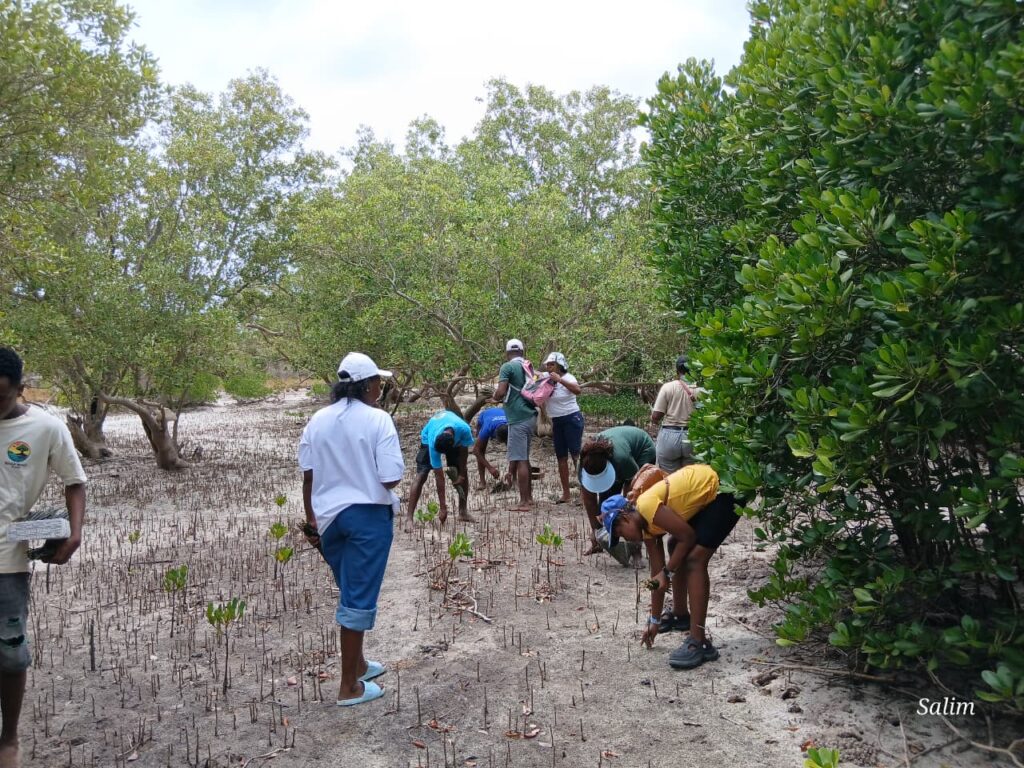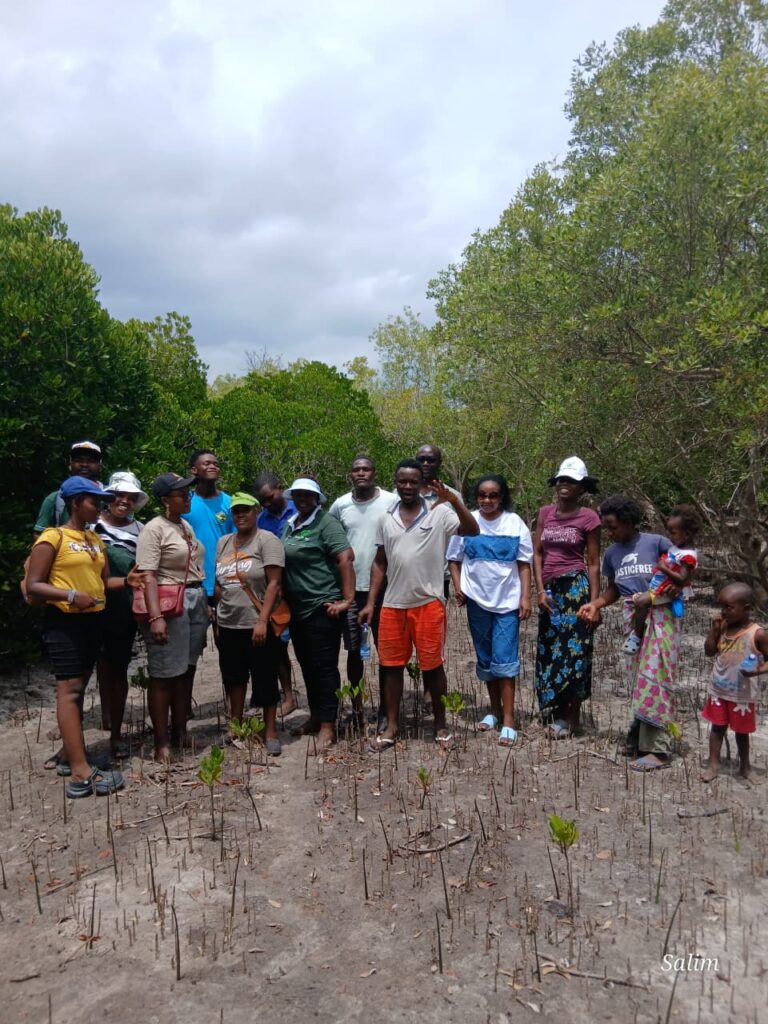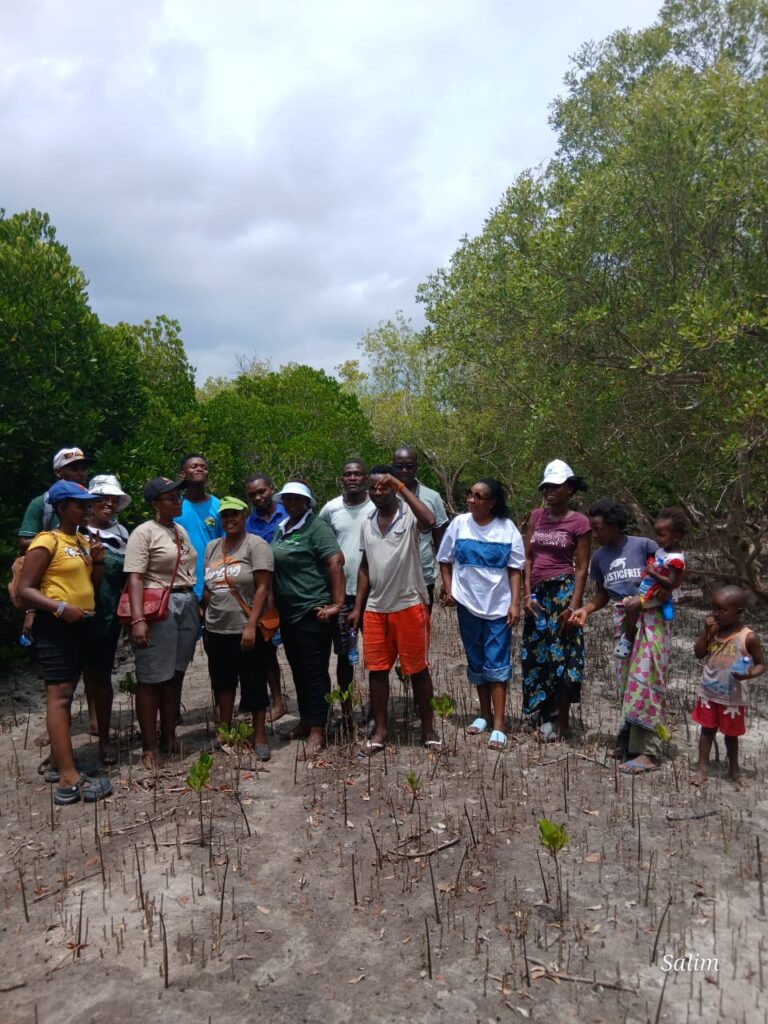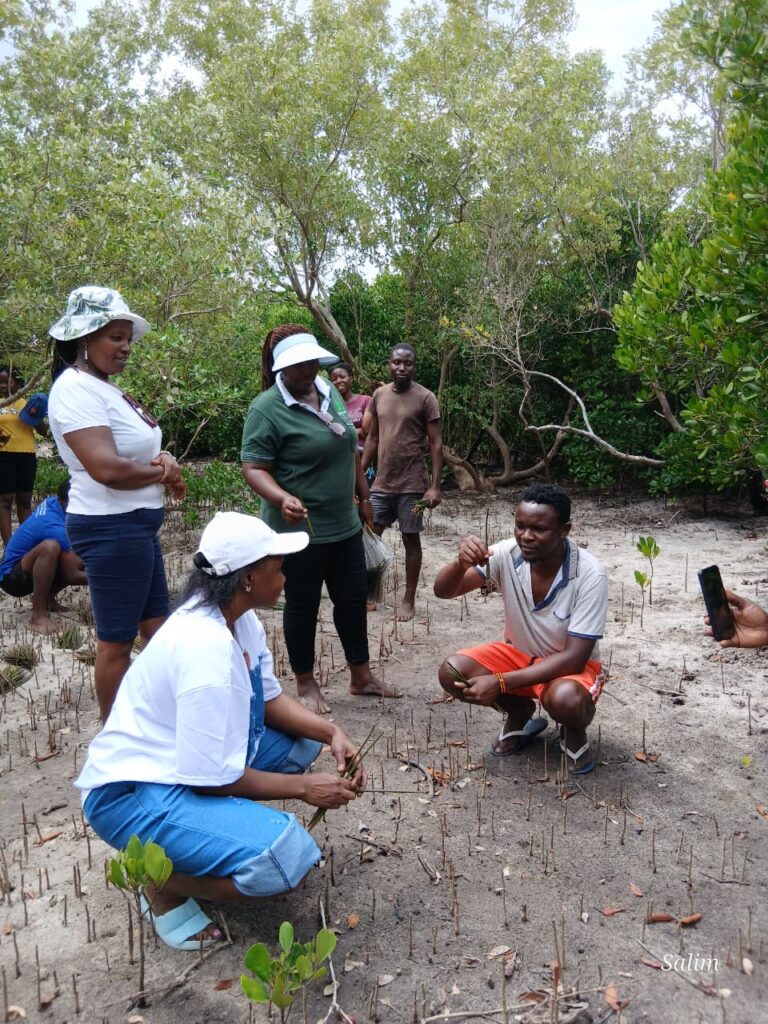
Kirepwe Mangrove Nursery Establishment

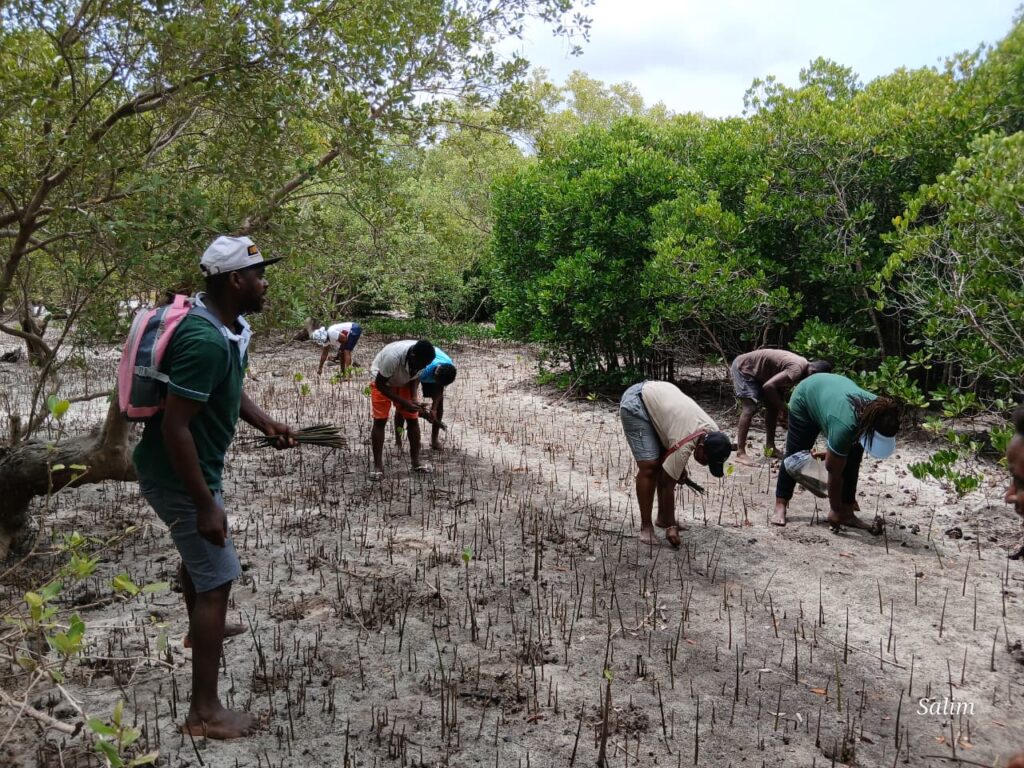
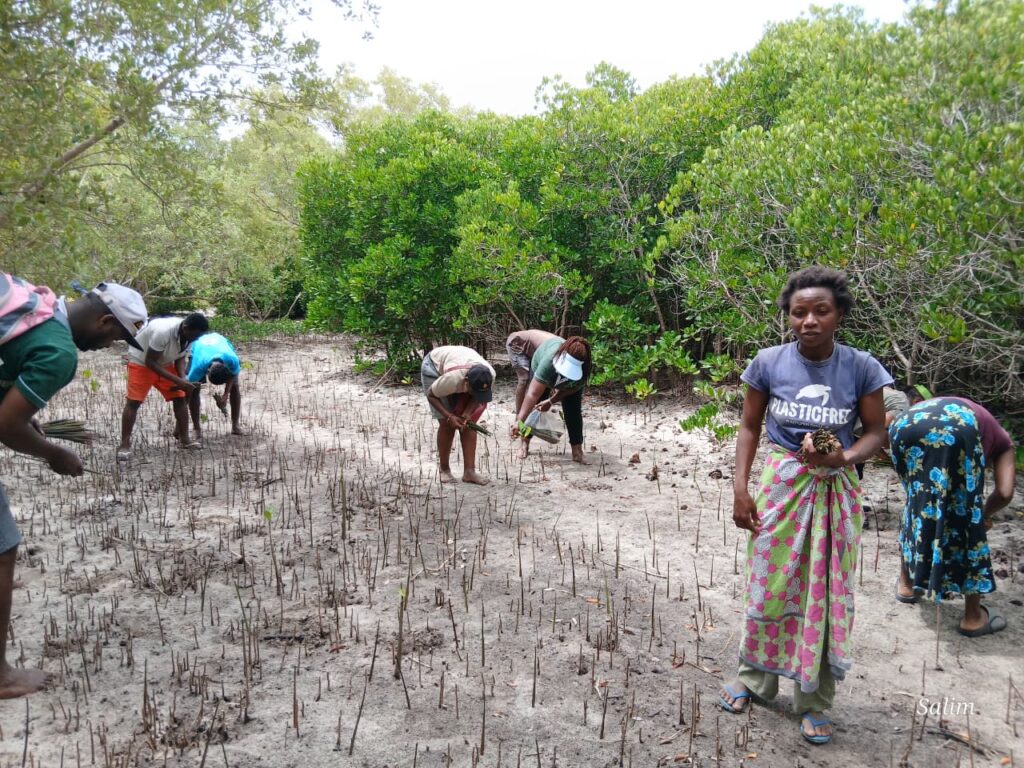
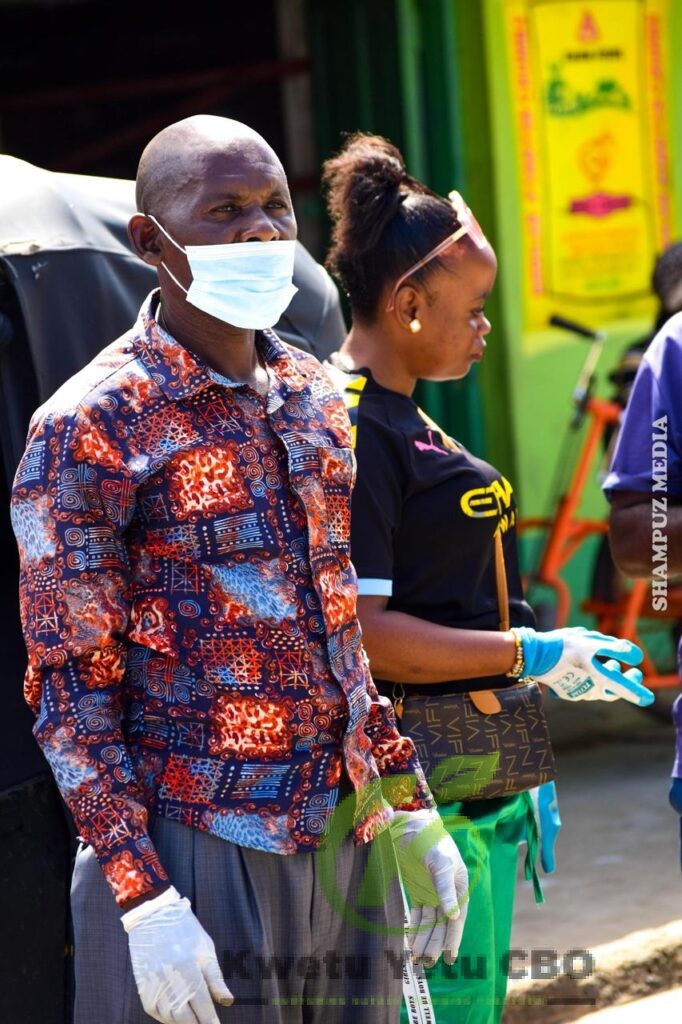
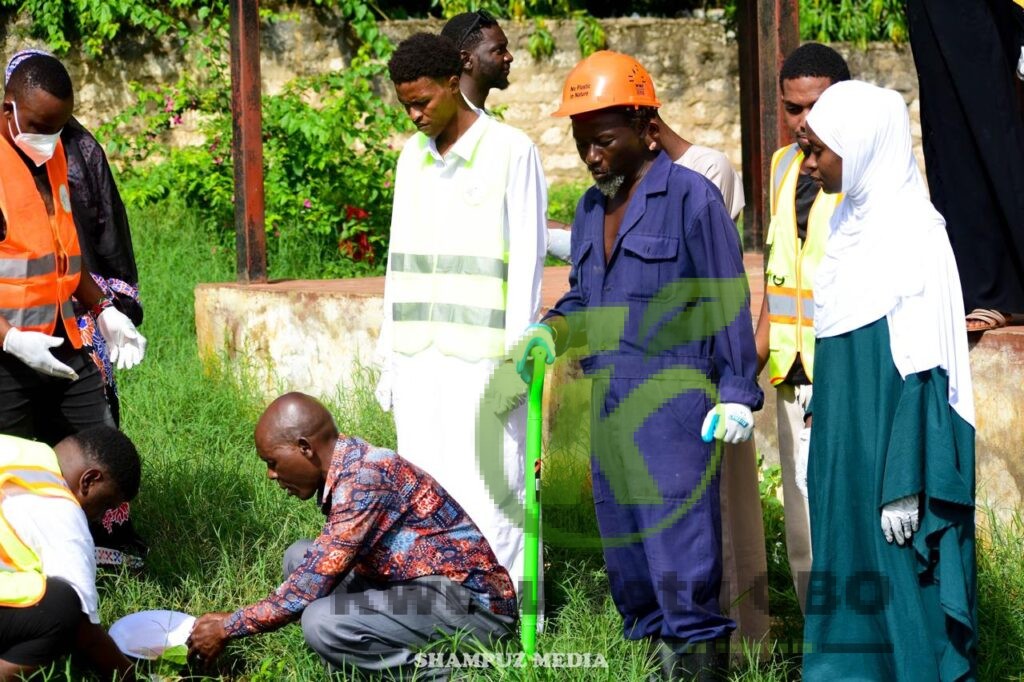
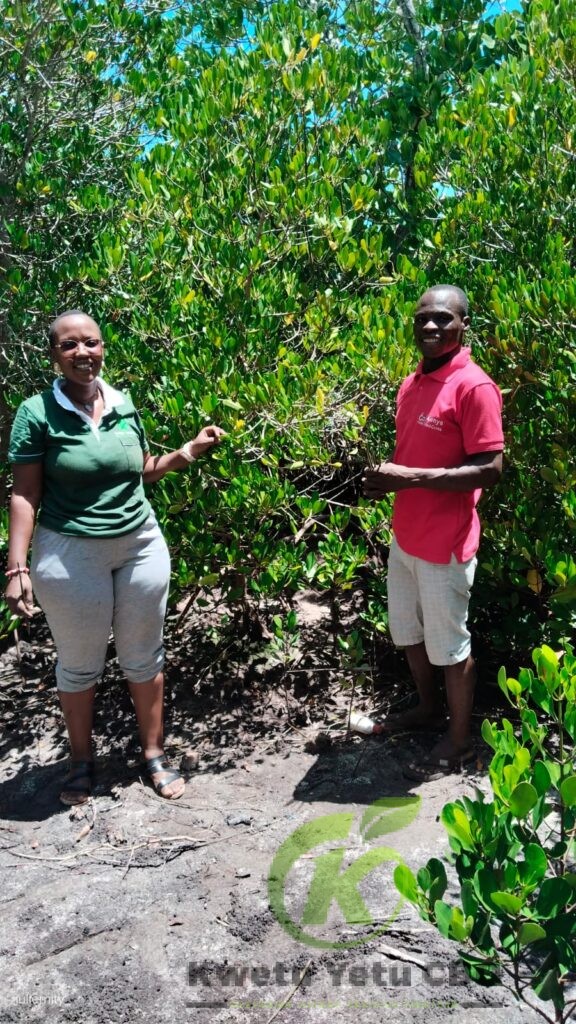
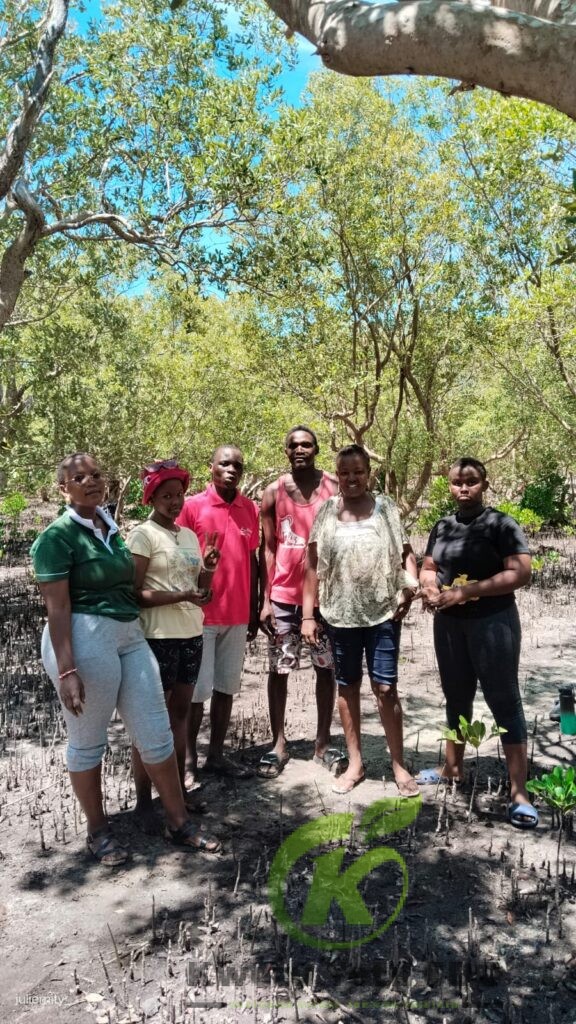
It was a beautiful and successful day at the Kirepwe Mangrove Nursery Establishment, marking a significant milestone for Kwetu Yetu CBO.

This initiative represents our growing footprint in coastal ecosystem restoration. As mangrove conservation efforts continue to expand across marine areas, Kwetu Yetu is proud to be counted among the active contributors driving this important work.

As part of the activity, we:

  • Donated 3,000 planting bags to support the mangrove nursery establishment
  • Supported the Kirepwe Youth Self Help Group with a variety of fruit tree seedlings, including pawpaw, jackfruit, moringa, soursop, dragon fruit, and hibiscus (roselle)
  • Planted 5 moringa trees at St. Paul Catholic Church to commemorate the day and promote community-based agroforestry

This was more than just an event it was a step towards strengthening community resilience, enhancing livelihoods, and restoring our coastal ecosystems.

We remain committed to working with communities to create sustainable, nature-based solutions for a better future.
KwetuYetu #MangroveRestoration #CoastalConservation #CommunityEngagement #ClimateAction #Sustainability #Kenya

Wetlands: The Parts of Nature That Help Our Land “Breathe”

Some of the most important benefits we get from nature are the ones we never notice.
We call these non-use benefits — things that help us every day, even though we don’t directly see or use them.
A good example is oxygen.
We breathe it freely every second. We don’t think about it. We don’t pay for it. We assume it will always be there.
But when you visit a hospital, you see something different.
You realise that breathing is not automatic for everyone. You see oxygen cylinders. You see patients who need support just to breathe. And suddenly, oxygen is no longer free. It becomes expensive, scarce, and life-saving.
That is when we understand the true value of something we never used to think about.
The same thing happens with wetlands.
What Are Wetlands?
Wetlands include places like swamps, marshes, floodplains, peatlands, and mangrove areas. Many people see these places as idle land, wasteland, or space that can be drained for farming or construction.
But wetlands are actually some of the hardest working parts of our environment.
They are like the respiratory system of the landscape.
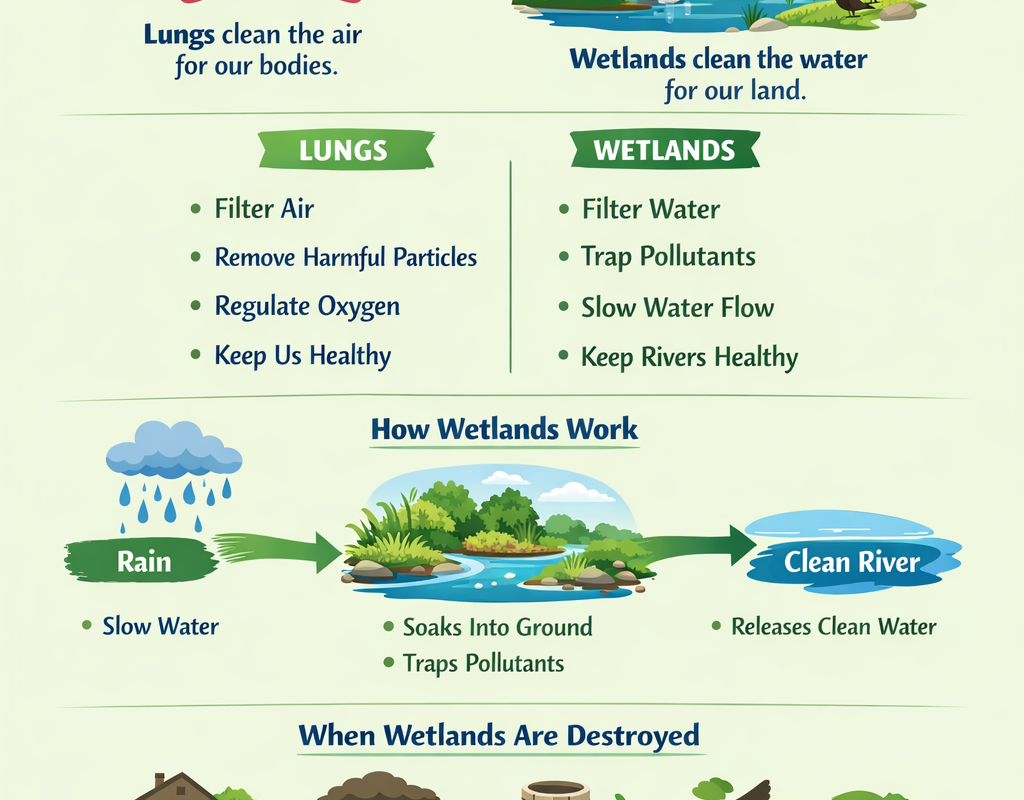
Just like lungs clean the air we breathe, wetlands clean the water that moves through our land.
How Wetlands Help Water Soak into the Ground
When it rains in areas with wetlands, water does not rush straight into rivers.
Wetlands slow down the water.
This allows:
• Water to soak into the soil
• Groundwater to be recharged
• Less surface runoff
• Reduced flooding downstream
Without wetlands, rainwater flows very fast across the land. This causes erosion, floods, and loss of soil, and very little water enters the ground.
How Wetlands Clean Water Naturally
As water passes through a wetland, a natural cleaning process happens:
• The slow water allows mud and dirt to settle
• Wetland plants trap particles with their roots and stems
• Tiny living organisms in the soil break down pollutants
• Harmful nutrients and chemicals are absorbed
• Toxins are trapped in the soil before reaching rivers
By the time this water leaves the wetland, it is much cleaner.
Just like lungs filter air before it reaches the body, wetlands filter water before it reaches our rivers and wells.
Wetlands Help Prevent Floods and Drought
You can think of wetlands as the land breathing in and breathing out.
• During heavy rains, wetlands absorb water
• During dry periods, they release stored water slowly
When wetlands are destroyed, water has nowhere to go. It rushes through communities as floods. Later, during dry seasons, there is not enough water stored in the ground, and people experience drought stress.
Why We Don’t Notice Their Importance
Wetlands work quietly.
We only start to notice their importance when:
• Floods become frequent
• Rivers become muddy and polluted
• Wells start drying up
• Fish and wildlife disappear
At that point, we begin spending money trying to fix problems that wetlands were solving for free.
Just like oxygen in a hospital.
Wetlands Are Not Wastelands
Wetlands are not useless land.
They are life-support systems for our environment and our communities.
They clean water.
They control floods.
They store water.
They protect our future.
Protecting wetlands is not just about conserving nature.
It is about protecting the natural system that helps our land — and our communities — breathe.

Planting Mangroves and Celebrating Local Knowledge – Kirepwe Island Restoration Event

Planting Mangroves and Celebrating Local Knowledge – Kirepwe Island Restoration Event


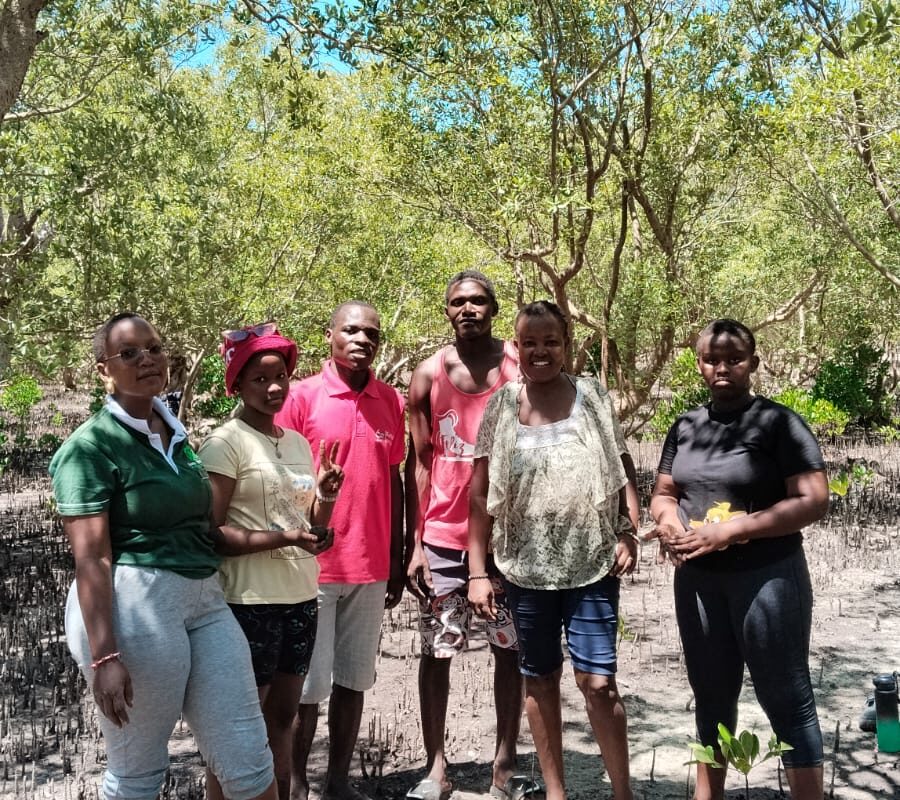
In preparation for World Wetlands Day 2026, Kwetu Yetu CBO partnered with the Kirepwe Youth Group to restore a section of Kirepwe Island’s mangrove creek ecosystem by planting Ceriops tagal mangroves, locally known as Mkandaa.
The event was both a restoration activity and a learning experience, blending hands-on action with indigenous knowledge. The youth, many of whom have grown up around this ecosystem, collected the propagules themselves and guided sessions on mature propagule selection, root and shoot orientation, and proper spacing. Participants also learned why Mkandaa thrives in this section and how it helps stabilize the shoreline, protect communities from flooding, and support biodiversity.


For some participants, this was their first time planting mangroves, including local youth and visiting guests. The session became a rich learning exchange, as the youth shared insights passed down from their families on how communities have historically lived with and depended on the mangroves. We encouraged participants to further explore these traditions, emphasizing the value of traditional ecological knowledge in wetland and coastal conservation.


The day also included a boat tour around the island, allowing participants to connect directly with the creek and mangrove environment. It was inspiring to see community members actively restoring and caring for the ecosystem that has shaped their lives, while others learned from them and contributed to the work.


Through initiatives like this, Kwetu Yetu CBO continues to strengthen coastal resilience, biodiversity conservation, and community stewardship, demonstrating that science and indigenous knowledge together can sustain healthy wetlands for generations to come.

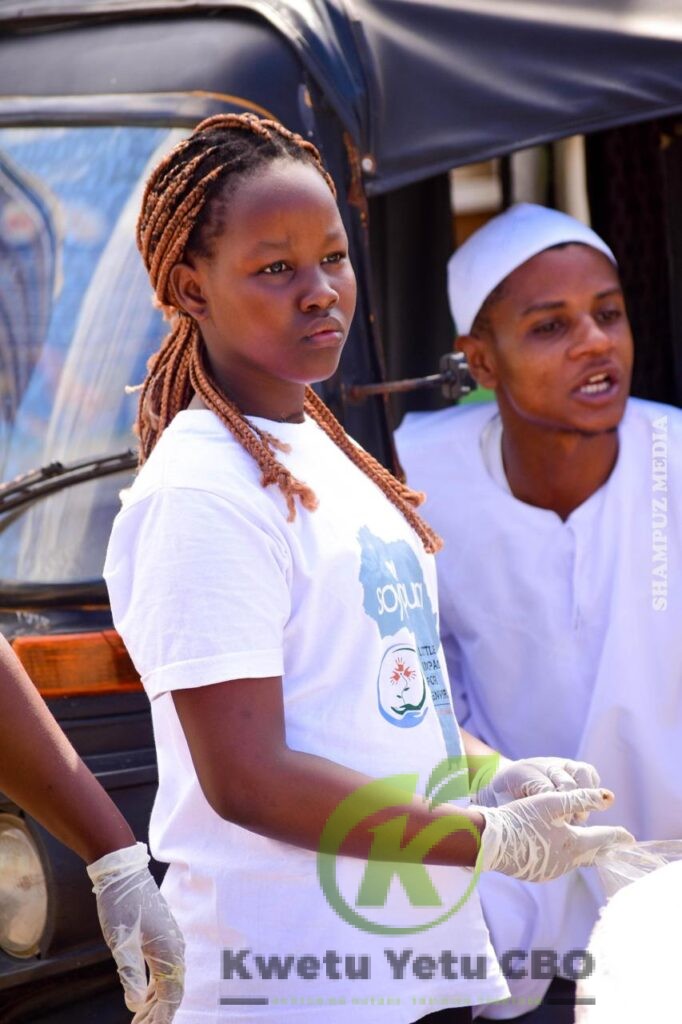
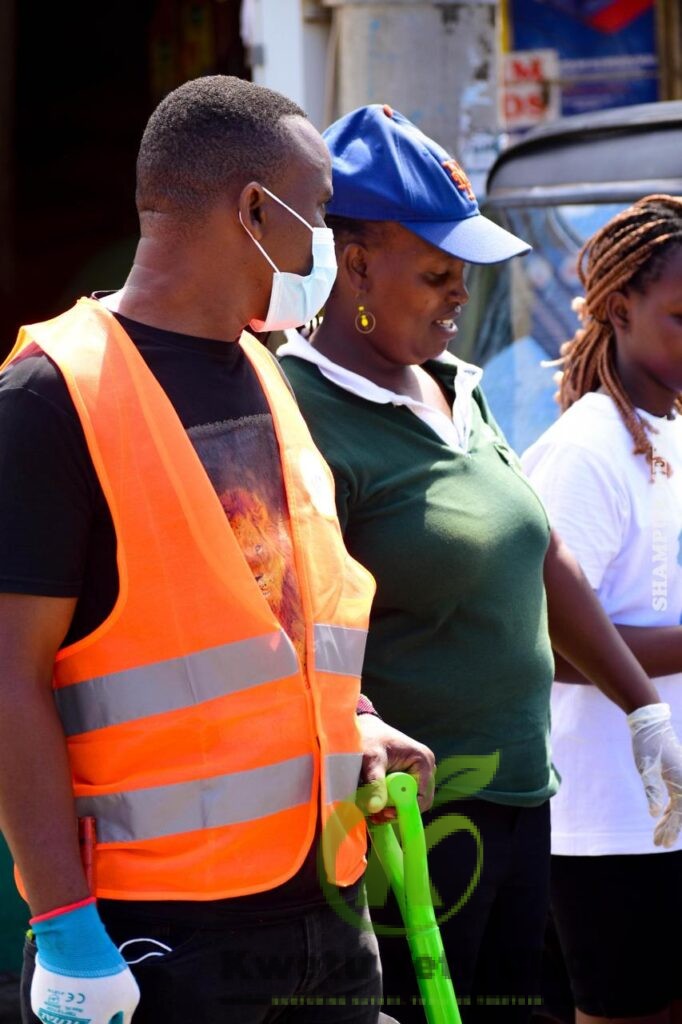
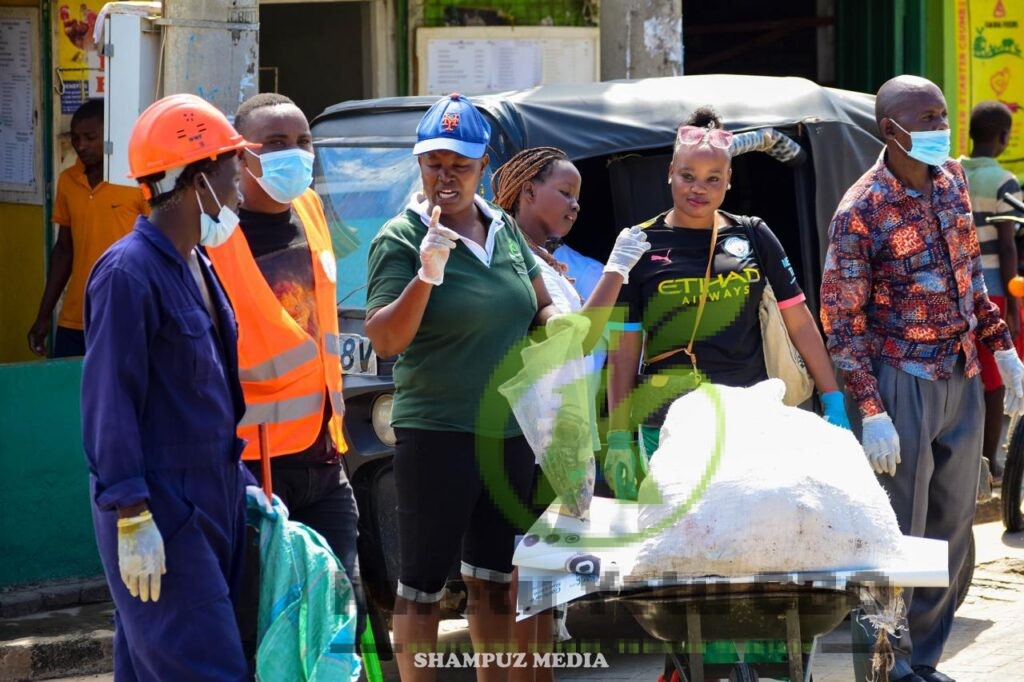
Rising Star Environmental Cleanup Drive

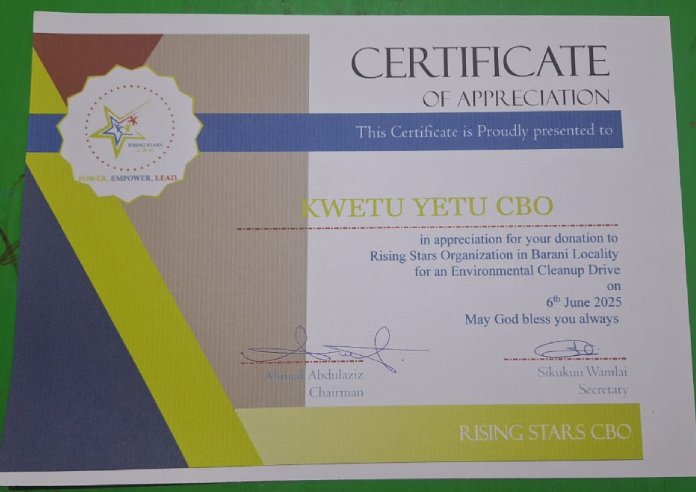
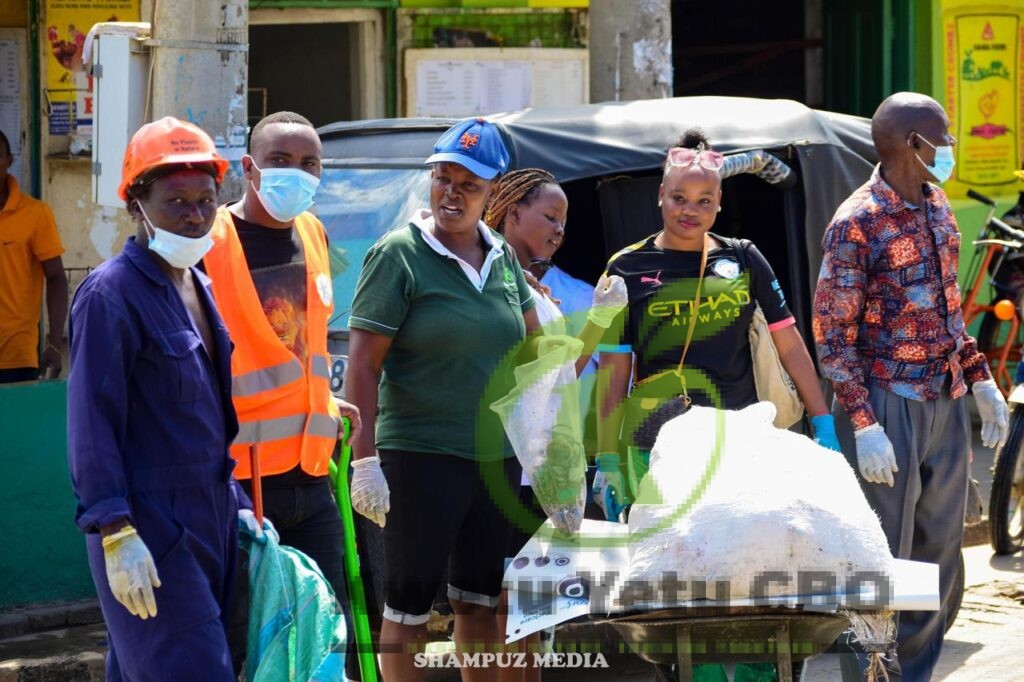
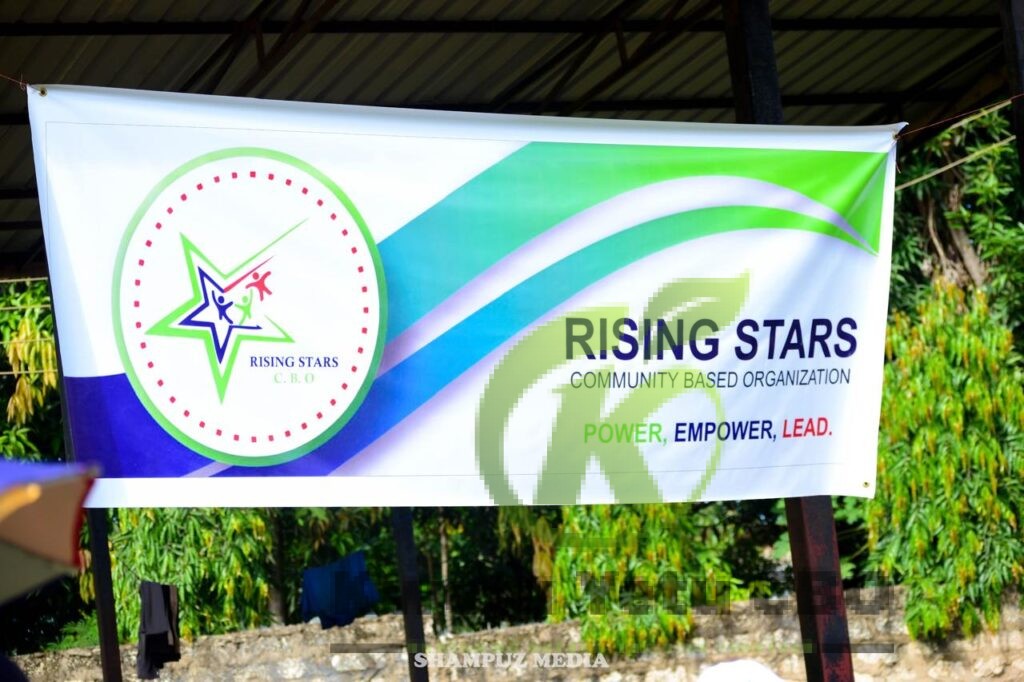
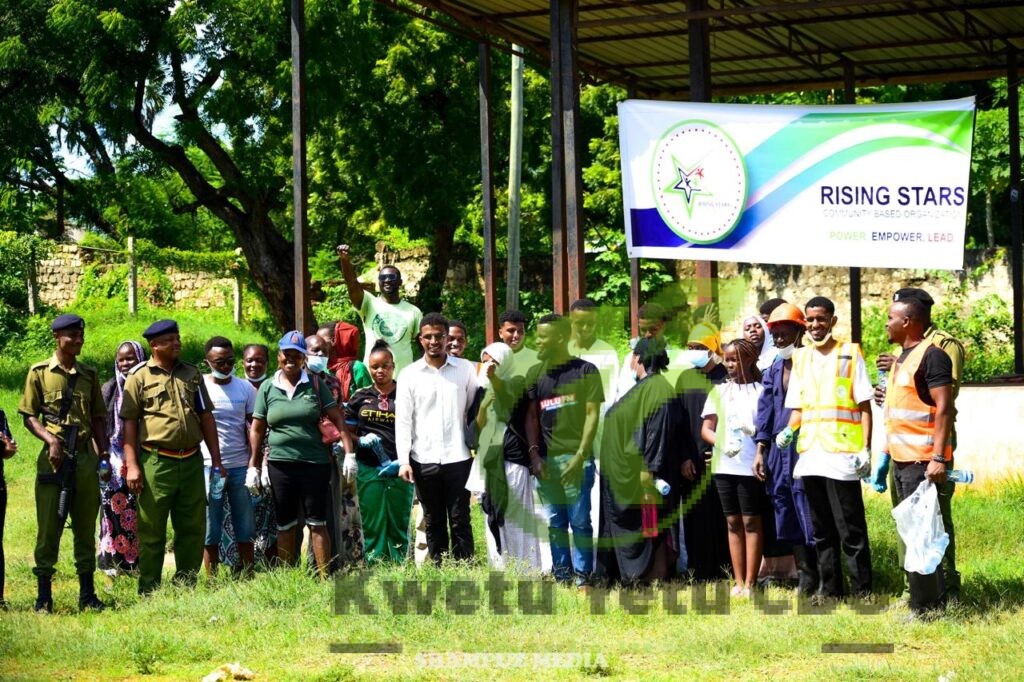
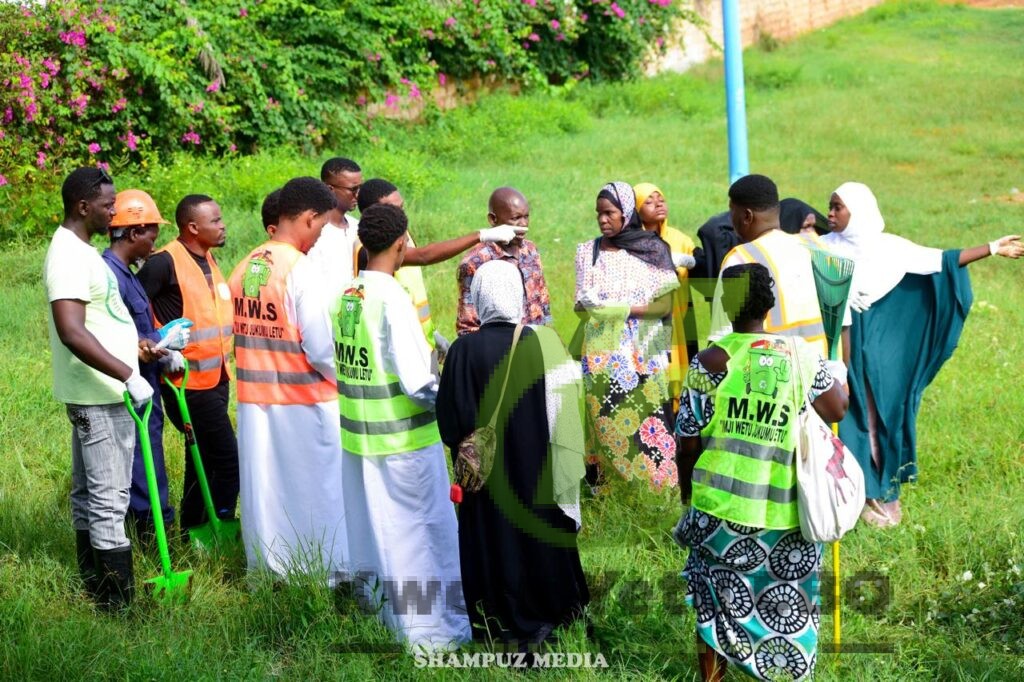
Kwetu yetu participated in a street clean-up organised by the Rising Stars organisation to commemorate World Environment Day 2025.

As an organisation that enhances the capacity of the people on matters related to the environment and sustainable Livelihoods, Kwetu yetu got a chance to share information about plastic pollution, especially the microplastics, to the cleanup participants.

Kenya produces about 966,000 tonnes of plastic waste per year, of which only 6- 10 % is recycled.
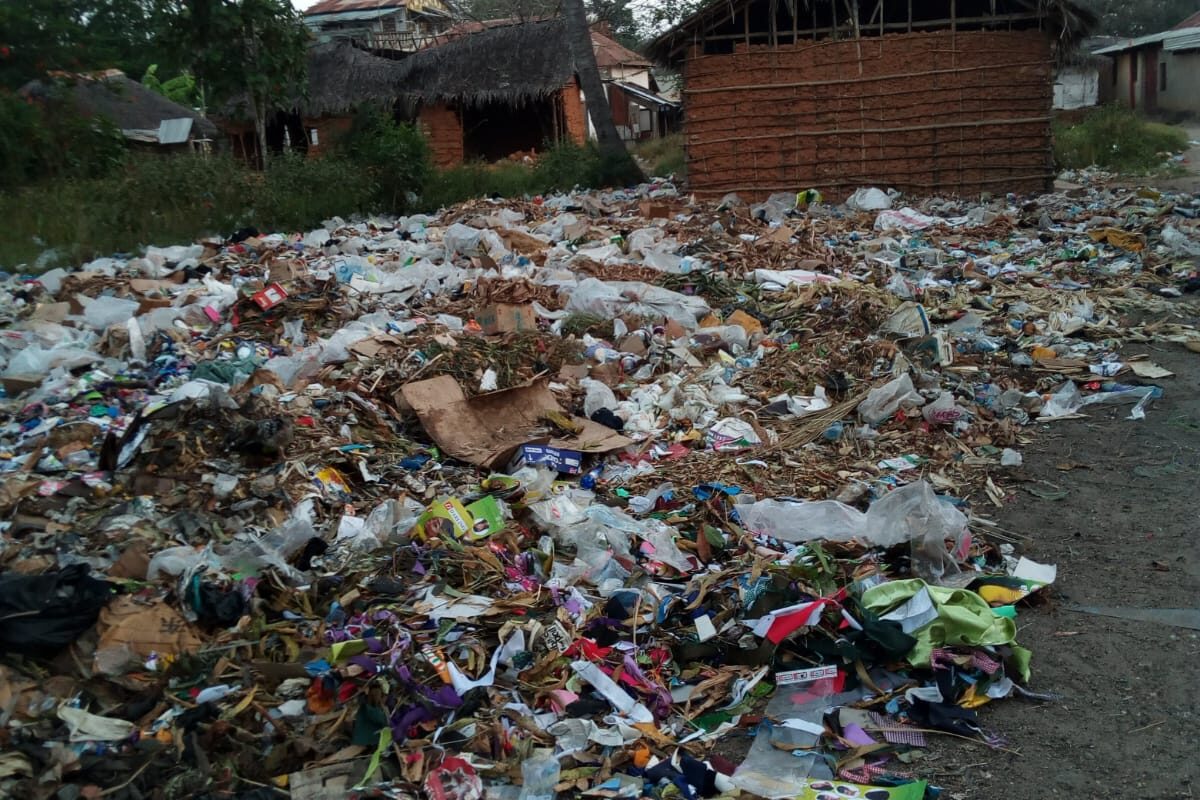
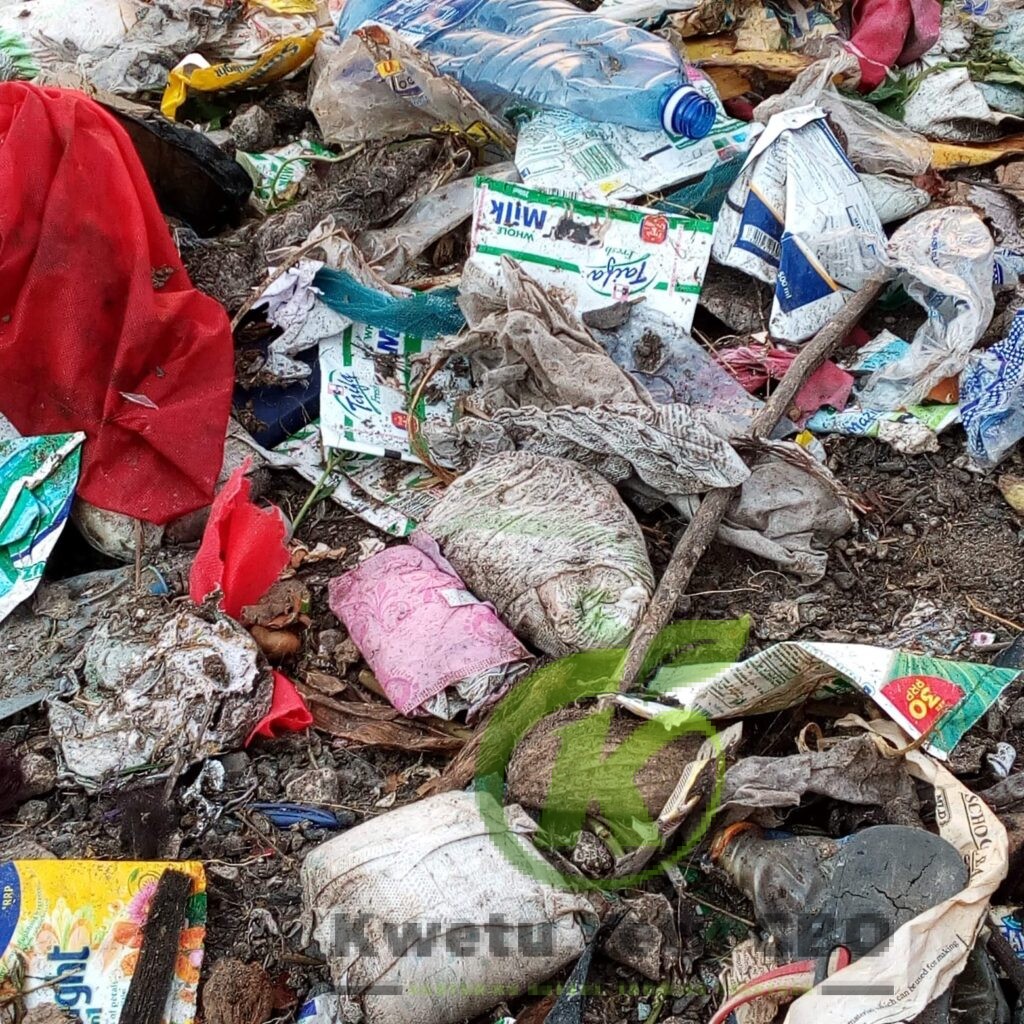
About 60% of this waste is single-use plastic, which gets discarded in the streets and ends up being washed into the rivers and oceans in the coastal areas.

Plastics also contaminate other water bodies as well as the soil, especially when they break down into microplastics.
The people of goodwill who had gathered at the stadium after a successful street clean-up were surprised when the kwetu yetu assistant chairperson, Julia Wahome, shared about microplastics being discovered in the blood and other body fluids.

The reality is that we are shooting ourselves in the foot by carelessly discarding the plastic waste into the environment because studies have shown that cases of microplastics in the brain have increased by 50% from previous years.

Microplastics have also been reported in human semen and in the placenta. It is evident that we are literally killing ourselves from the source.

As an organisation, we advocate for everyone, especially in the urban areas where more plastic wastes are produced, to accept the call to segregate the waste, recycle what is recyclable and decompose all the biodegradable waste to enrich our soil.

We also call upon the government and all enforcement agencies to ensure all business premises have a waste management unit before trickling down the same to individual households.
We can win the plastic pollution war only if we come together as people, as a nation and as a globe.

Event link: Rising Stars Environmental Cleanup Drive

World Earth Day

Earth day began being celebrated in 1970 in the USA. The initial aim was to recognize the earth as the provider of all the resources we need for our survival and also ways we can give back by protecting it from harm.

In his write-up #LaudatoSí, the late Pope Francis ( may he rest in peace) encouraged Christians and the world at large to care for the Earth and keep it beautiful as God created it and intended it to be.

Unfortunately several decades later a threat to the earth was created by man in the name of plastics and it has threatened the very life of the earth by choking the oceans,the rivers,and the city streets.

Man in his endeavor to reduce the waste on the surface of the earth, resulted in heaping the waste in small and bigger piles in different corners where humans live and then set it ablaze producing deadly fumes.

This has brought about respiratory problems to the people living around the dumpsite. It has also resulted in micro plastic poisoning. This occurs when the plastics break down in very tiny particles due to acts of nature which later get into the food chain when they are eaten by fish and other edible organisms .
Medical reports have shown micro plastics is semen and blood clot samples as well as other vital fluids of the body.

On Earth Day 2025, we are encouraged to embrace the circular economy, which leads to #zerowaste in the effort to #beatplasti,c which is the #theme for #earthday2025

This can happen if people agree to segregate waste at source (office/home) and reuse what can be reused and rot all the biodegradable materials.
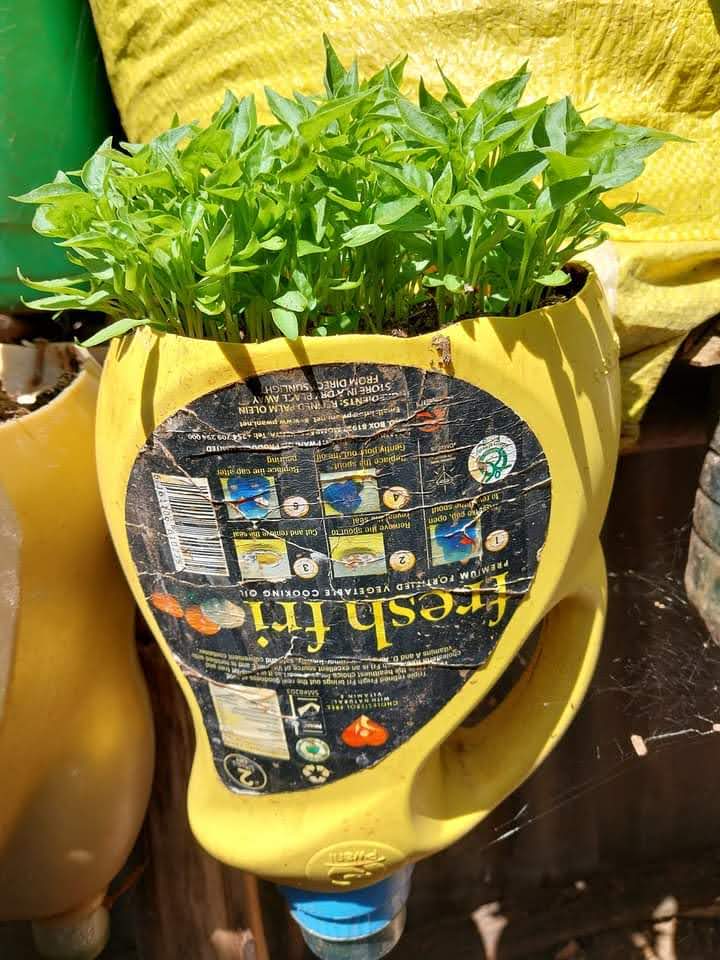
Plastic containers can be used as a balcony garden (as in the photo) therefore keeping it from going to the dumpsite or even worse to be washed down to our rivers and oceans.

Article by Julia Wahome