
Food Security & Nutrition
More than 51% of Kenyans are suffering from food insecurity.(National council for population and development (NCPD)
This is contributed greatly to by the reduced rainfall levels and climate change.
However, the National Council for Population and Development in Kenya has attributed population growth as a key contributor to the rising food insecurity. This increased population has led to mass movement from rural to urban areas in search of white-collar jobs.
This has led to increased demand for settlement areas that have led people to settle in sensitive areas such as wetlands and riparian areas, especially in city slums.
Demand for land has also led to the conversion of agricultural lands into building areas. This is so rampant in Kiambu, Murang’a, Kajiado and Machakos.
Pastoralists and other communities that live in marginalized areas suffer the most because their economic activities are dependent on the conditions such as weather for example cattle rearing.
In order to break the chain of food insecurity sustainably, agroecology and environmental education have to be introduced at all levels of education.
Behaviour change towards the environment should be the ultimate goal if the war on food insecurity is to be won.
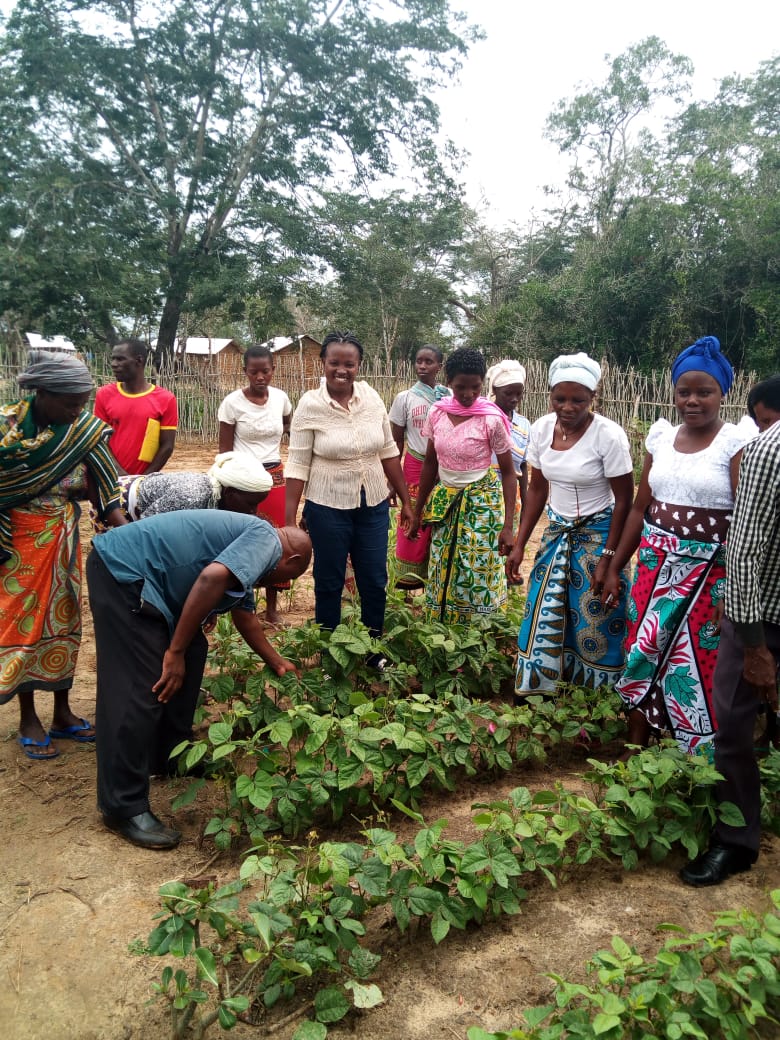
Every citizen should strive to grow their own food or part of it because with the economic inflation being experienced all over the globe, it is no longer sustainable to buy enough food.
Vertical gardening in urban and water-scarce areas would go a long way to provide part of the household food requirements, especially vegetables.


Regulations especially on waste management especially the biodegradable waste that can be composted to enrich the soil should be put in place and followed to the later.
Banning of converting huge areas of agricultural land into building areas should be implemented to avoid losing the little available fertile land.
Article Written by Julia Wahome