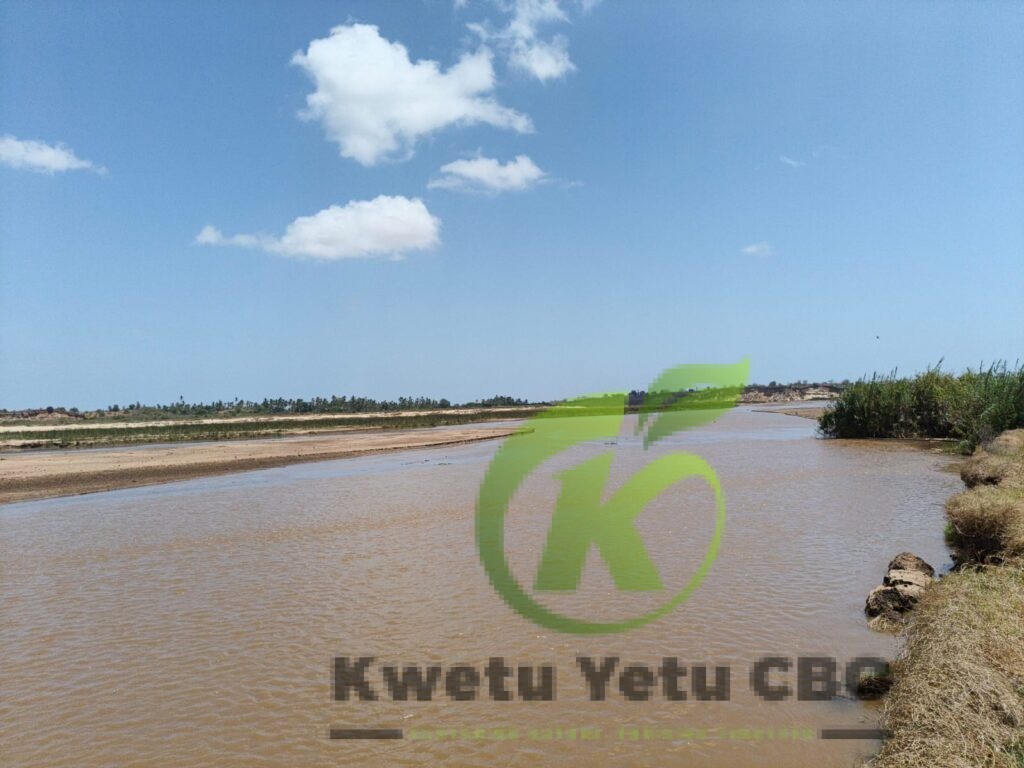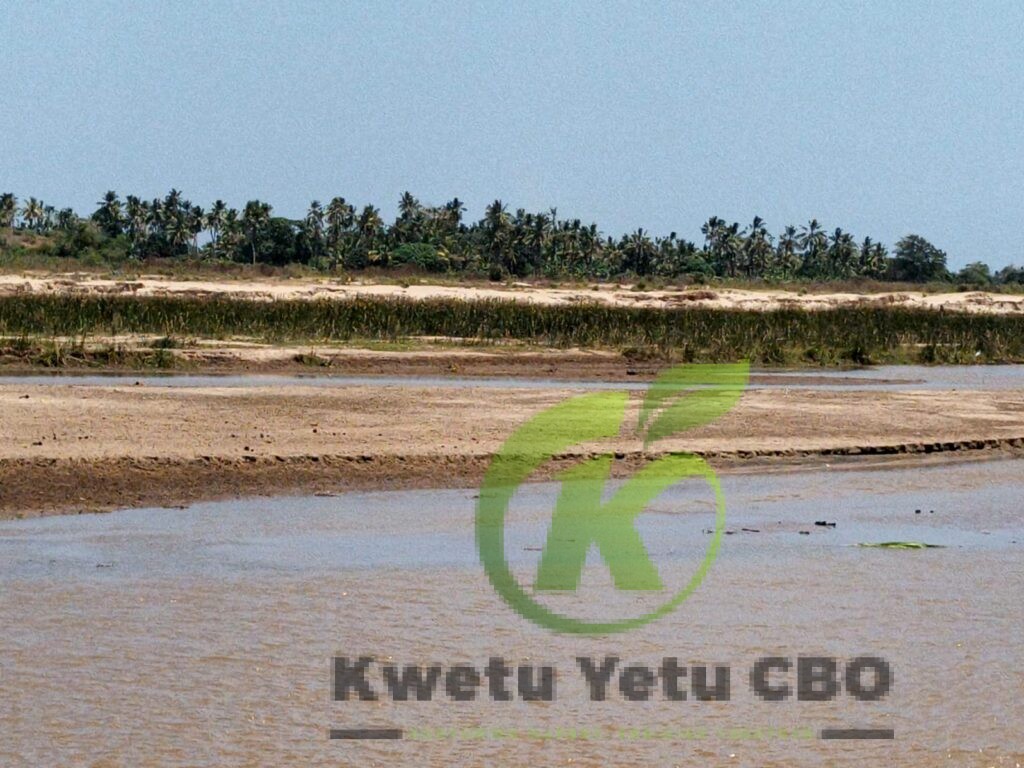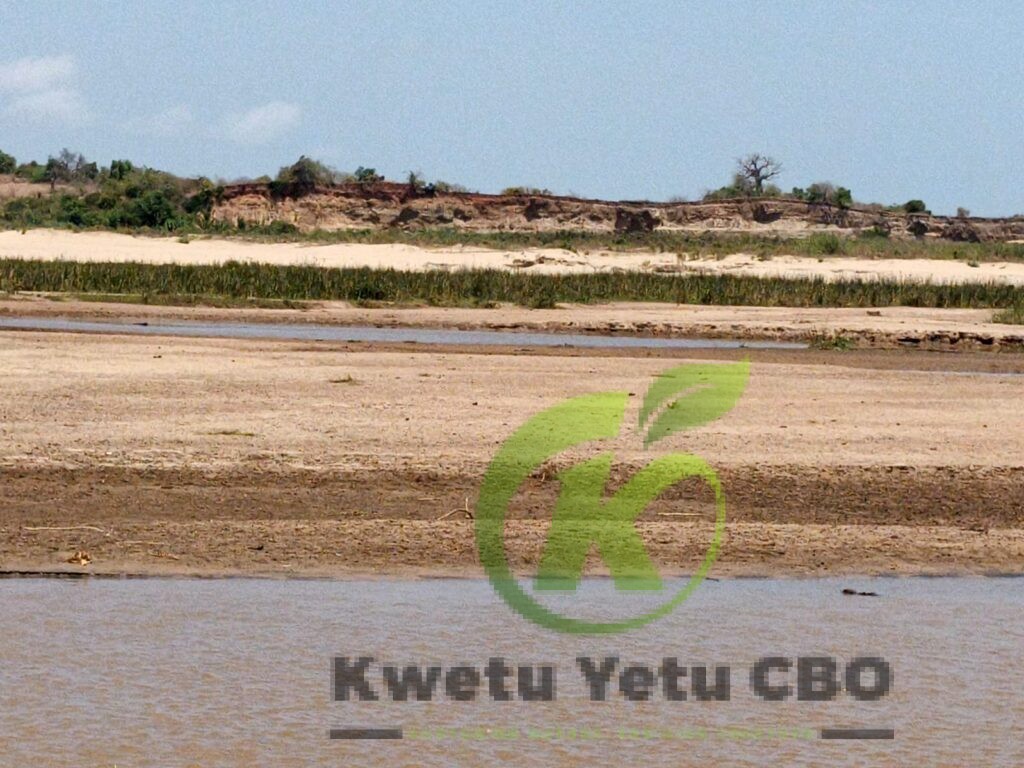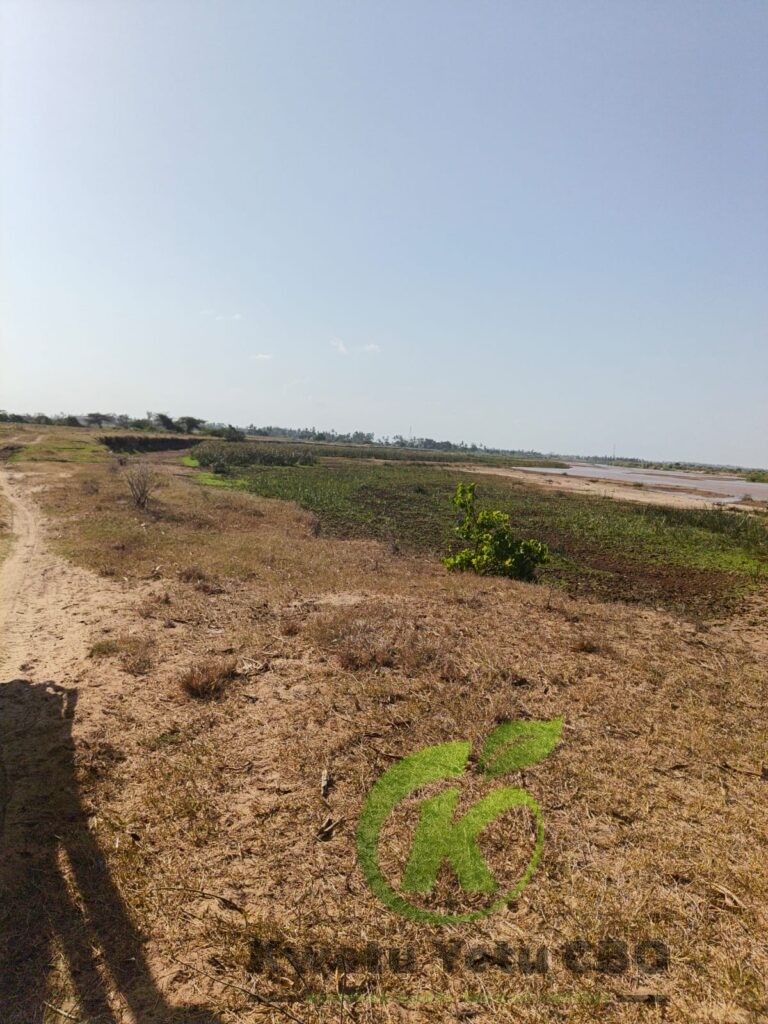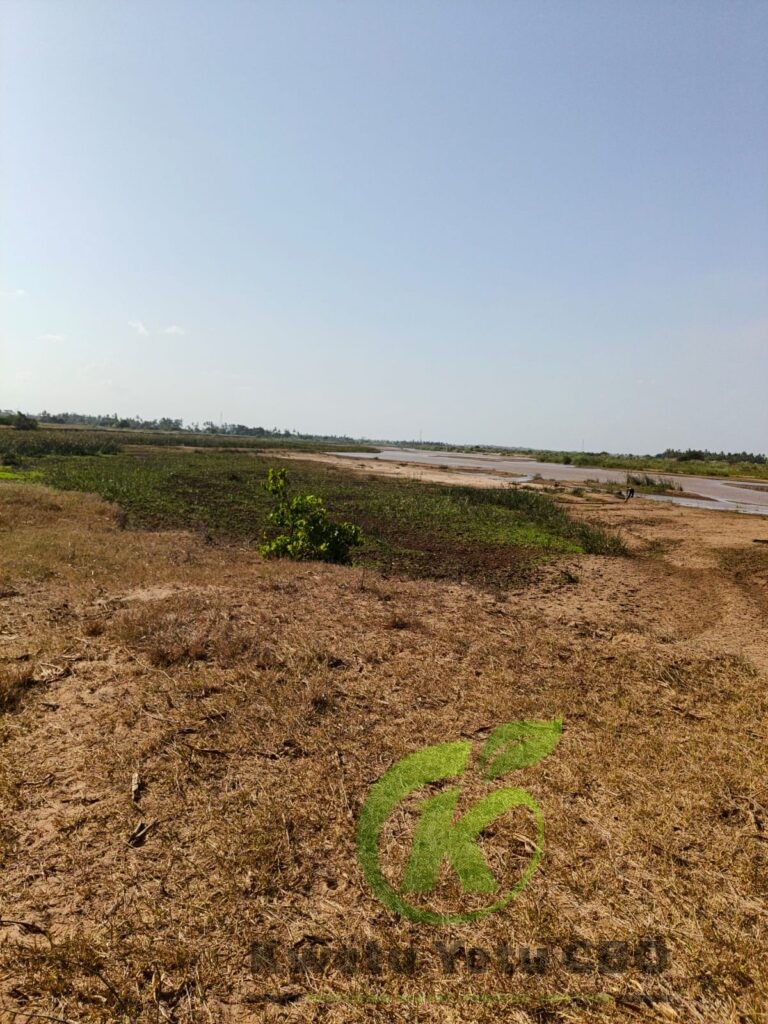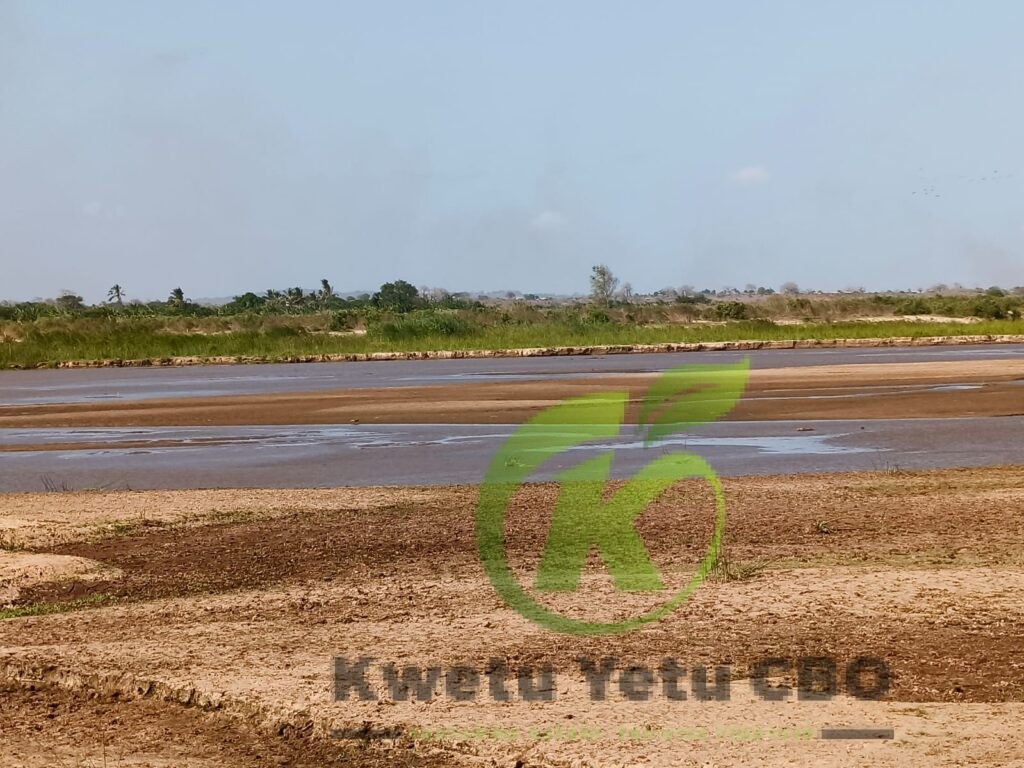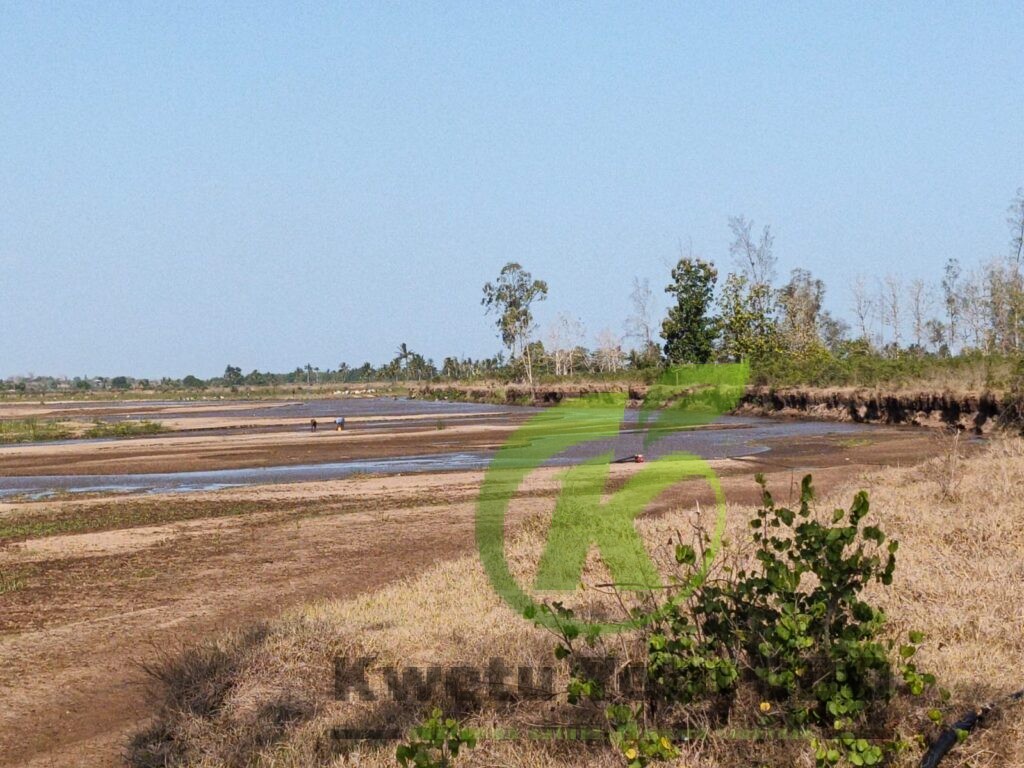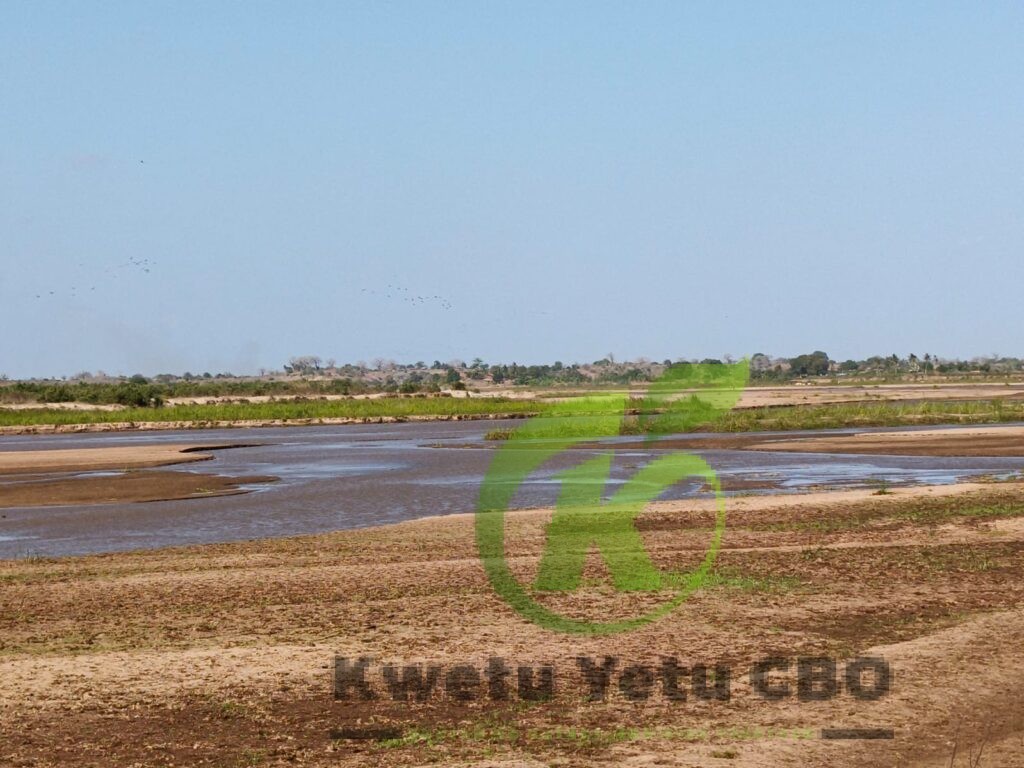
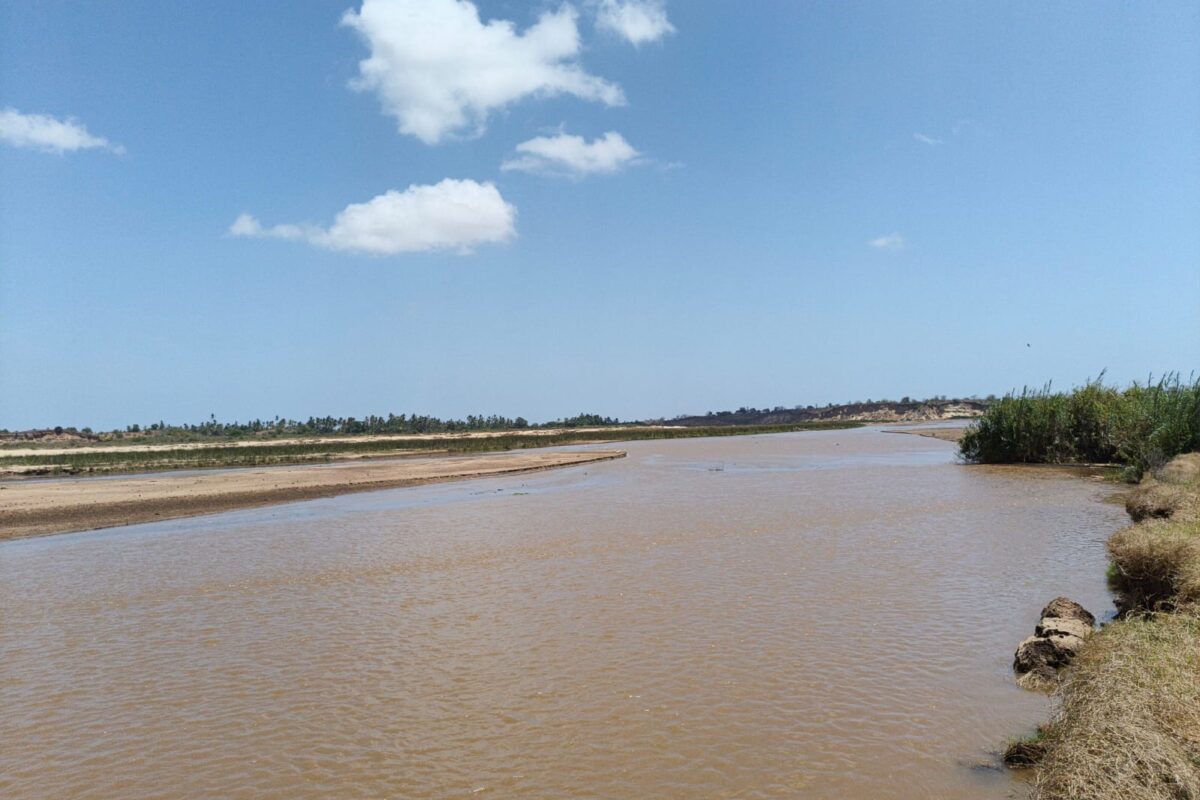
The Sabaki River is one of the lifelines of our community. It provides water for farming, domestic use, and supports local wildlife. Yet, over the years, we have witnessed the devastating consequences of flooding along its banks — farms washed away, land literally swallowed by the river, and even human-wildlife conflicts, particularly with hippos, becoming more common. These events remind us that how we manage land near the river has a direct impact on our lives.
According to Rule 116 of the Water Resources Management Rules, 2007, a 30-metre buffer zone should be maintained along all rivers and watercourses. This riparian zone is meant to be free from human development, cultivation, or any interference that could harm the river. It may seem like empty land, but in reality, it is a critical ecosystem that benefits both people and wildlife.
When well-maintained with trees and natural vegetation, riparian zones provide numerous advantages:
Flood and soil erosion control – tree roots stabilize the soil, preventing it from washing away during heavy rains.
Protection of river course – a healthy buffer helps the river maintain its natural flow.
Habitat for wildlife – animals such as hippos rely on these areas for feeding, reducing conflicts with humans.
Community resources – fruit trees and medicinal plants can thrive in the buffer, providing food and income.
Environmental benefits – vegetation improves air quality, sequesters carbon, and preserves biodiversity.
Ignoring the riparian zone has consequences. Farms near the river may be lost to flooding, soil fertility declines, and human-wildlife conflicts increase. Once land is washed away, it is almost impossible to reclaim, and the river may change course, affecting even more people.
We, as a community, have the power to protect and enhance riparian land. Planting native trees, avoiding cultivation near the river, and educating neighbors about the benefits of the buffer zone are small actions that produce big results. When we care for these 30 metres of land, we are protecting our homes, livelihoods, and the environment.
The riparian zone is not just a legal requirement — it is a shared resource for the benefit of all. By maintaining it, we safeguard the river, support wildlife, and ensure that future generations inherit a healthy, productive landscape.
Let us take responsibility. Together, we can nurture the Sabaki River and ensure it continues to sustain our community.