We strive to be the best organization in Kenya in Empowering the community in sustainable management of natural resources and improvement of llivelihoods.
These are our normal opening hours. When we are closed can be found here.
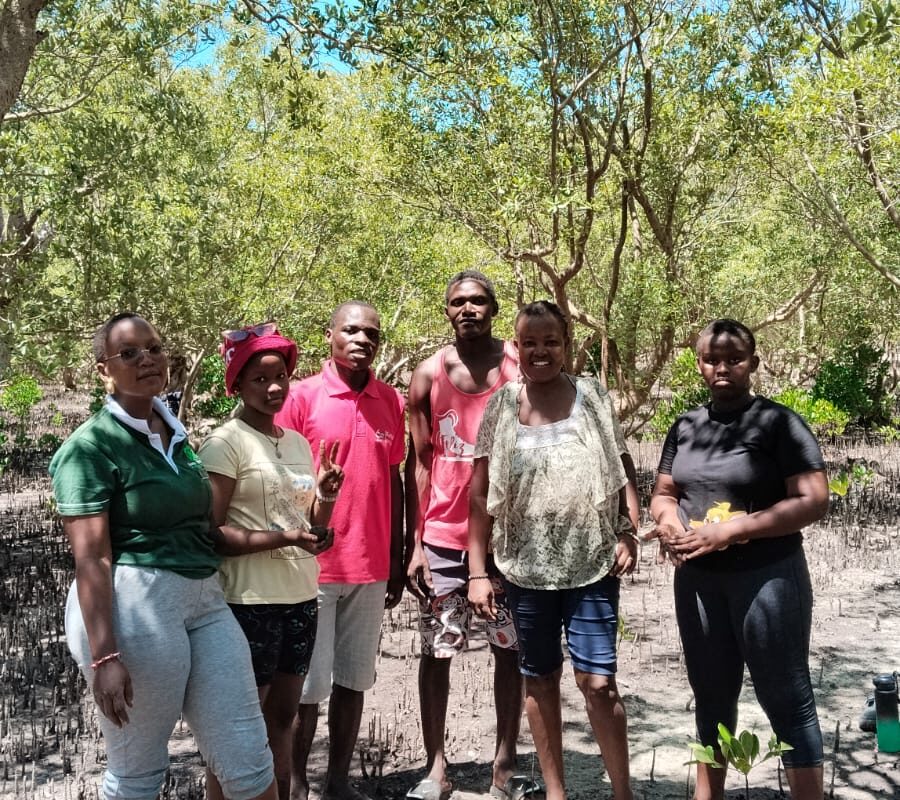
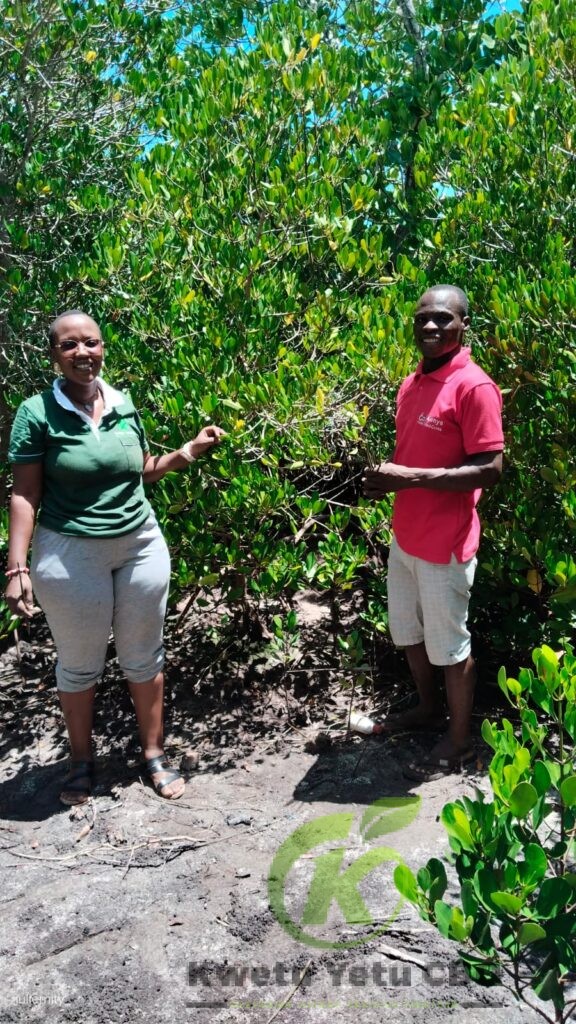
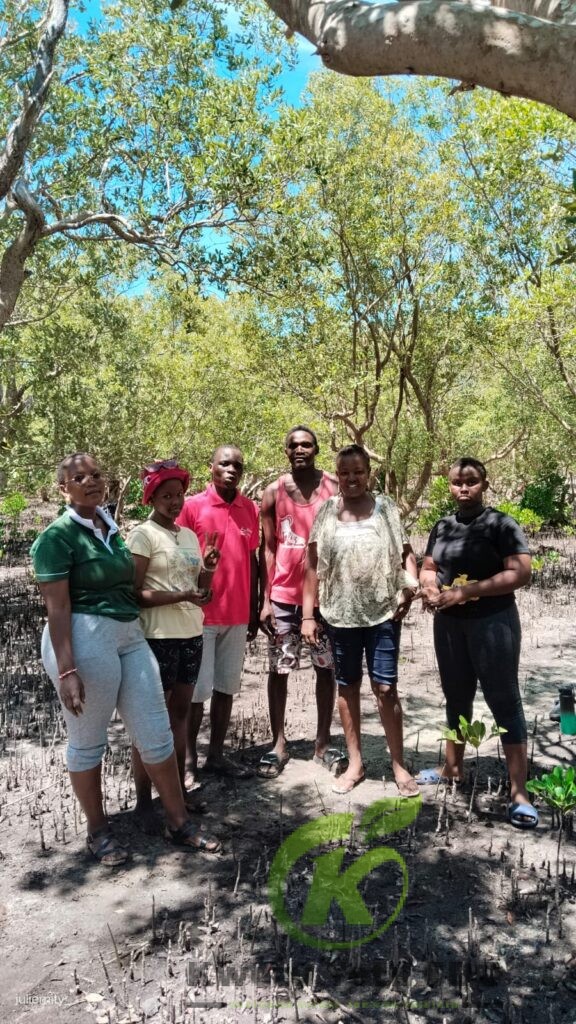
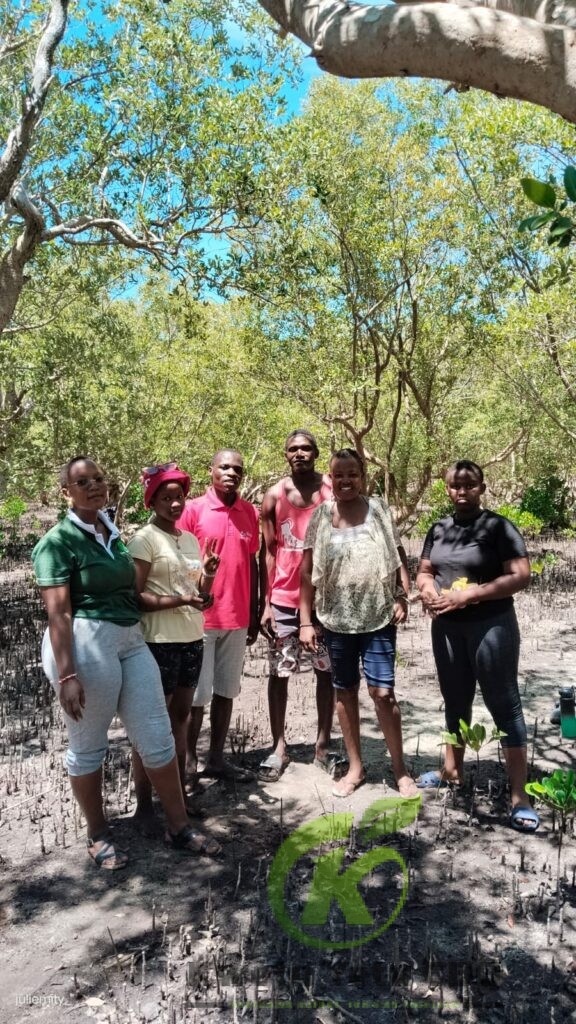
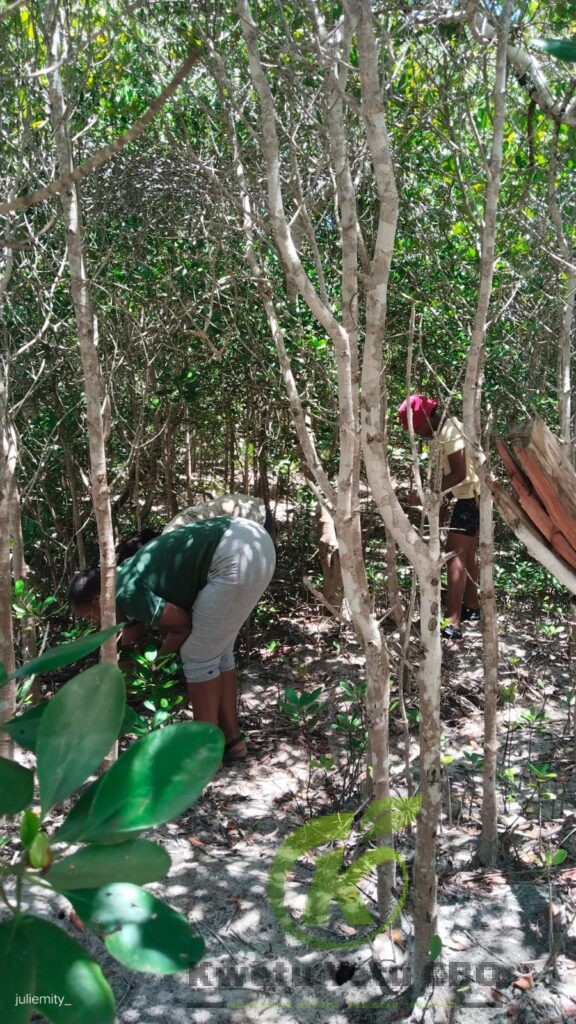
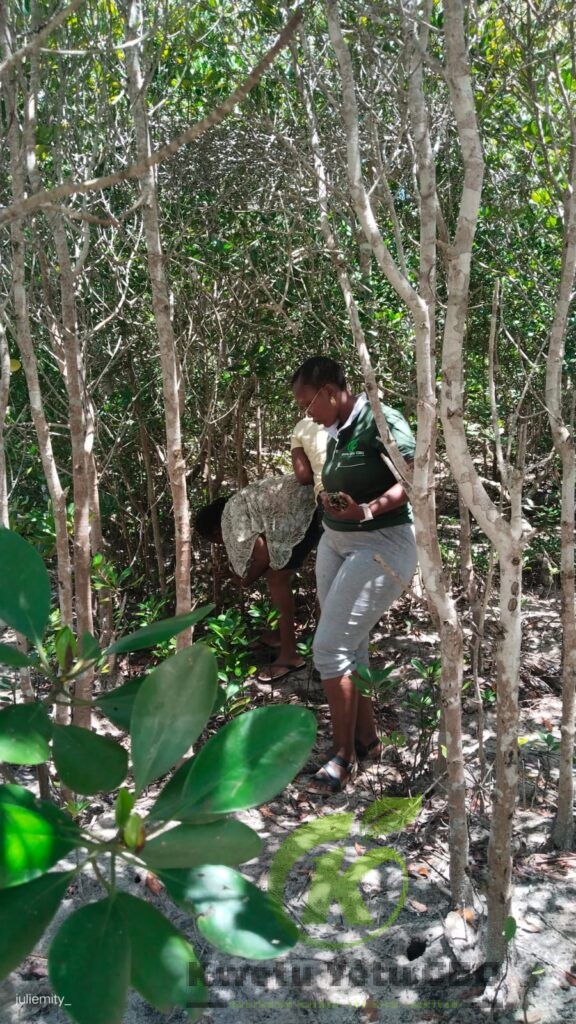
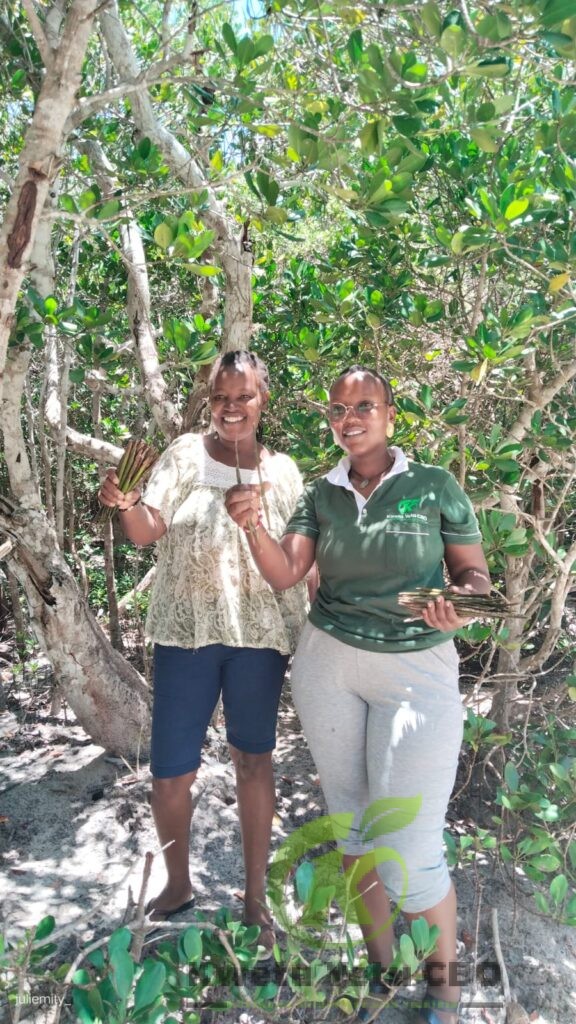
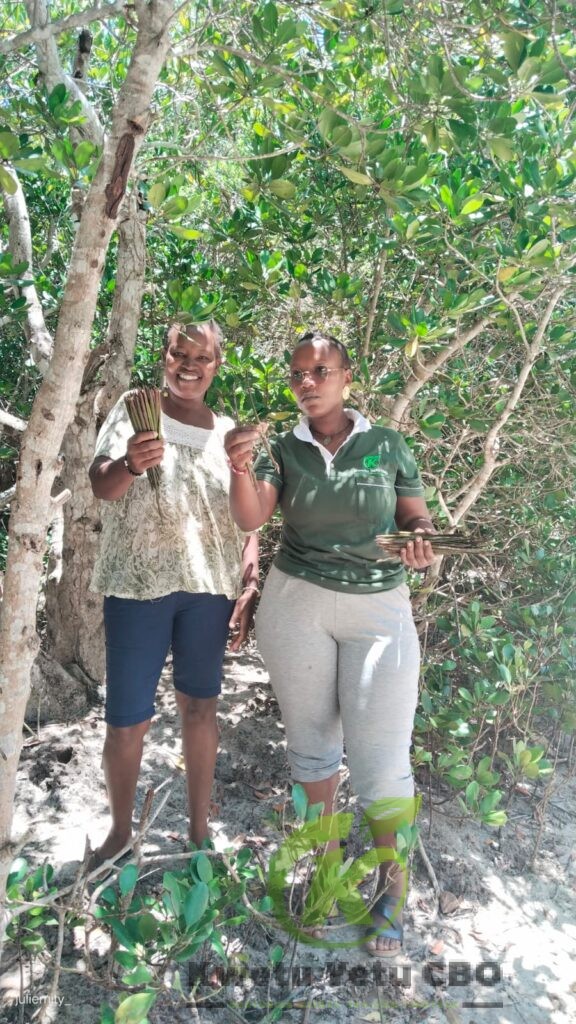
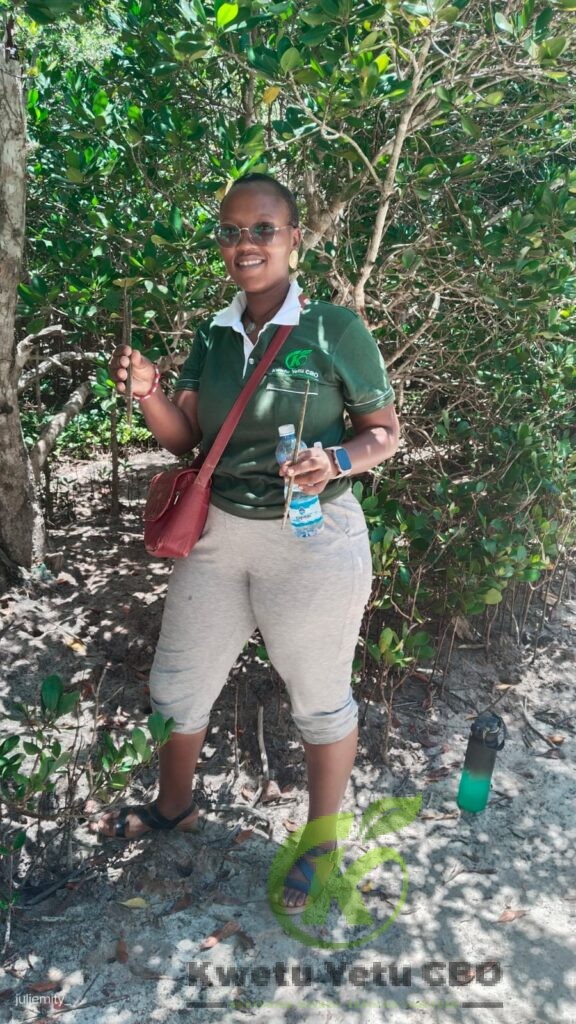
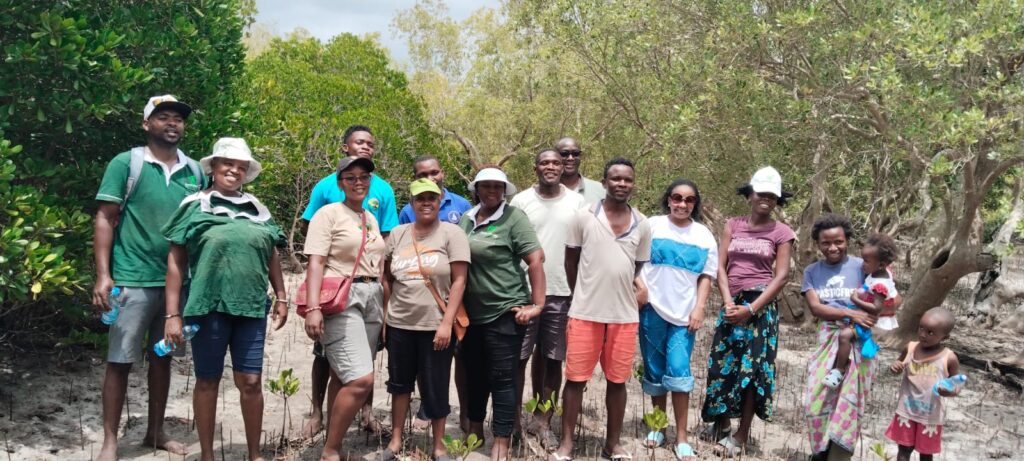
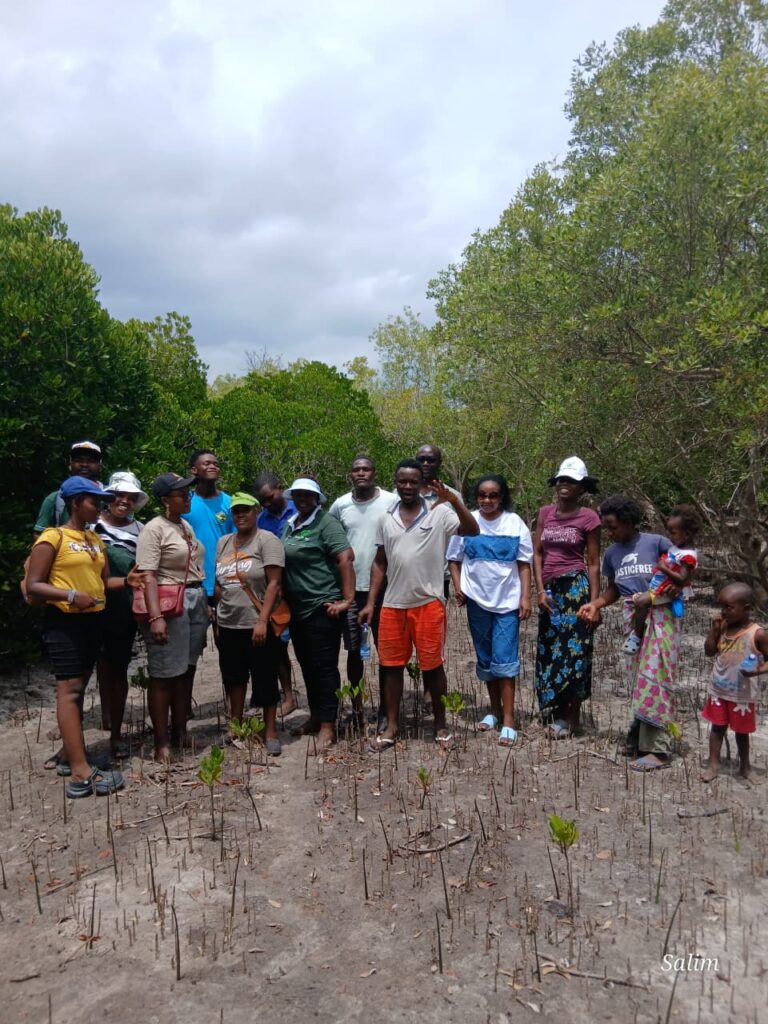
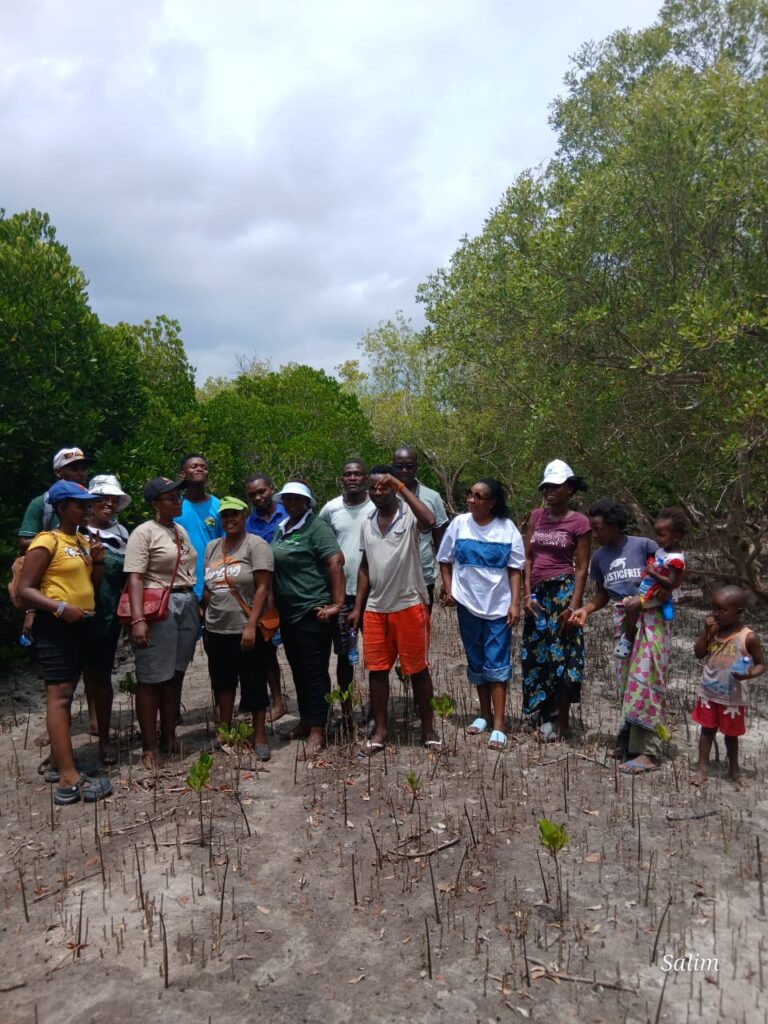
It was a beautiful and successful day at the Kirepwe Mangrove Nursery Establishment, marking a significant milestone for Kwetu Yetu CBO.
This initiative represents our growing footprint in coastal ecosystem restoration. As mangrove conservation efforts continue to expand across marine areas, Kwetu Yetu is proud to be counted among the active contributors driving this important work.
As part of the activity, we:
Donated 3,000 planting bags to support the mangrove nursery establishment
Supported the Kirepwe Youth Self Help Group with a variety of fruit tree seedlings, including pawpaw, jackfruit, moringa, soursop, dragon fruit, and hibiscus (roselle)
Planted 5 moringa trees at St. Paul Catholic Church to commemorate the day and promote community-based agroforestry
This was more than just an event it was a step towards strengthening community resilience, enhancing livelihoods, and restoring our coastal ecosystems.
We remain committed to working with communities to create sustainable, nature-based solutions for a better future.
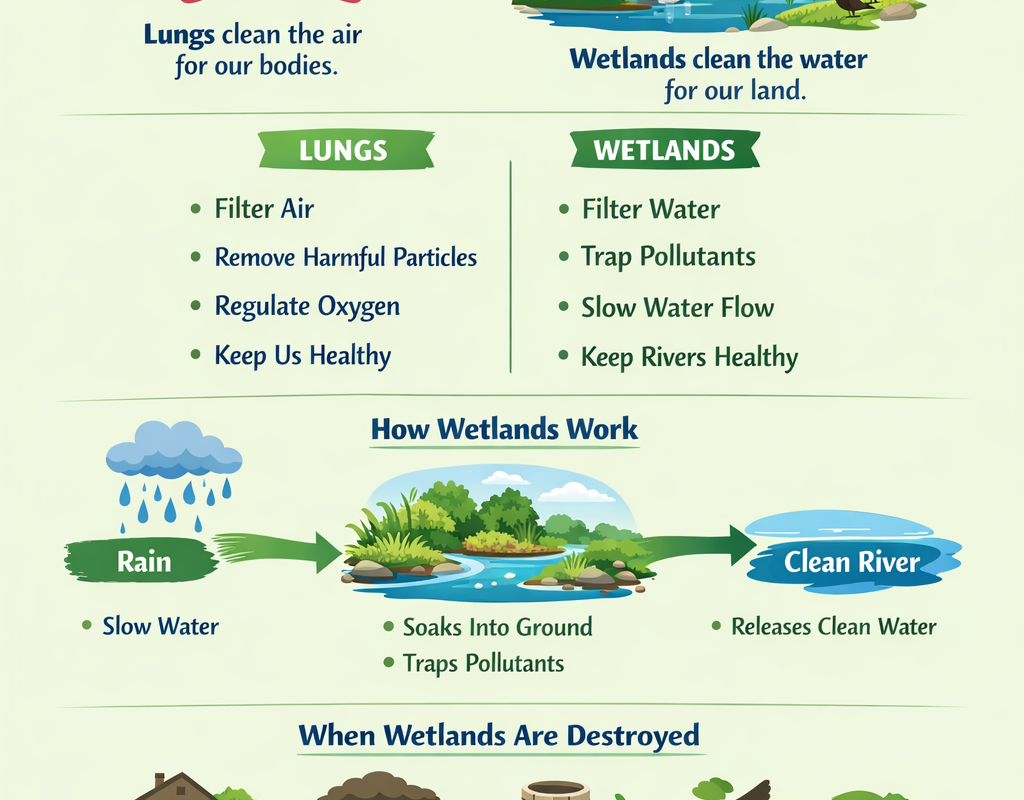
Some of the most important benefits we get from nature are the ones we never notice. We call these non-use benefits — things that help us every day, even though we don’t directly see or use them. A good example is oxygen. We breathe it freely every second. We don’t think about it. We don’t pay for it. We assume it will always be there. But when you visit a hospital, you see something different. You realise that breathing is not automatic for everyone. You see oxygen cylinders. You see patients who need support just to breathe. And suddenly, oxygen is no longer free. It becomes expensive, scarce, and life-saving. That is when we understand the true value of something we never used to think about. The same thing happens with wetlands. What Are Wetlands? Wetlands include places like swamps, marshes, floodplains, peatlands, and mangrove areas. Many people see these places as idle land, wasteland, or space that can be drained for farming or construction. But wetlands are actually some of the hardest working parts of our environment. They are like the respiratory system of the landscape. Just like lungs clean the air we breathe, wetlands clean the water that moves through our land. How Wetlands Help Water Soak into the Ground When it rains in areas with wetlands, water does not rush straight into rivers. Wetlands slow down the water. This allows: • Water to soak into the soil • Groundwater to be recharged • Less surface runoff • Reduced flooding downstream Without wetlands, rainwater flows very fast across the land. This causes erosion, floods, and loss of soil, and very little water enters the ground. How Wetlands Clean Water Naturally As water passes through a wetland, a natural cleaning process happens: • The slow water allows mud and dirt to settle • Wetland plants trap particles with their roots and stems • Tiny living organisms in the soil break down pollutants • Harmful nutrients and chemicals are absorbed • Toxins are trapped in the soil before reaching rivers By the time this water leaves the wetland, it is much cleaner. Just like lungs filter air before it reaches the body, wetlands filter water before it reaches our rivers and wells. Wetlands Help Prevent Floods and Drought You can think of wetlands as the land breathing in and breathing out. • During heavy rains, wetlands absorb water • During dry periods, they release stored water slowly When wetlands are destroyed, water has nowhere to go. It rushes through communities as floods. Later, during dry seasons, there is not enough water stored in the ground, and people experience drought stress. Why We Don’t Notice Their Importance Wetlands work quietly. We only start to notice their importance when: • Floods become frequent • Rivers become muddy and polluted • Wells start drying up • Fish and wildlife disappear At that point, we begin spending money trying to fix problems that wetlands were solving for free. Just like oxygen in a hospital. Wetlands Are Not Wastelands Wetlands are not useless land. They are life-support systems for our environment and our communities. They clean water. They control floods. They store water. They protect our future. Protecting wetlands is not just about conserving nature. It is about protecting the natural system that helps our land — and our communities — breathe.
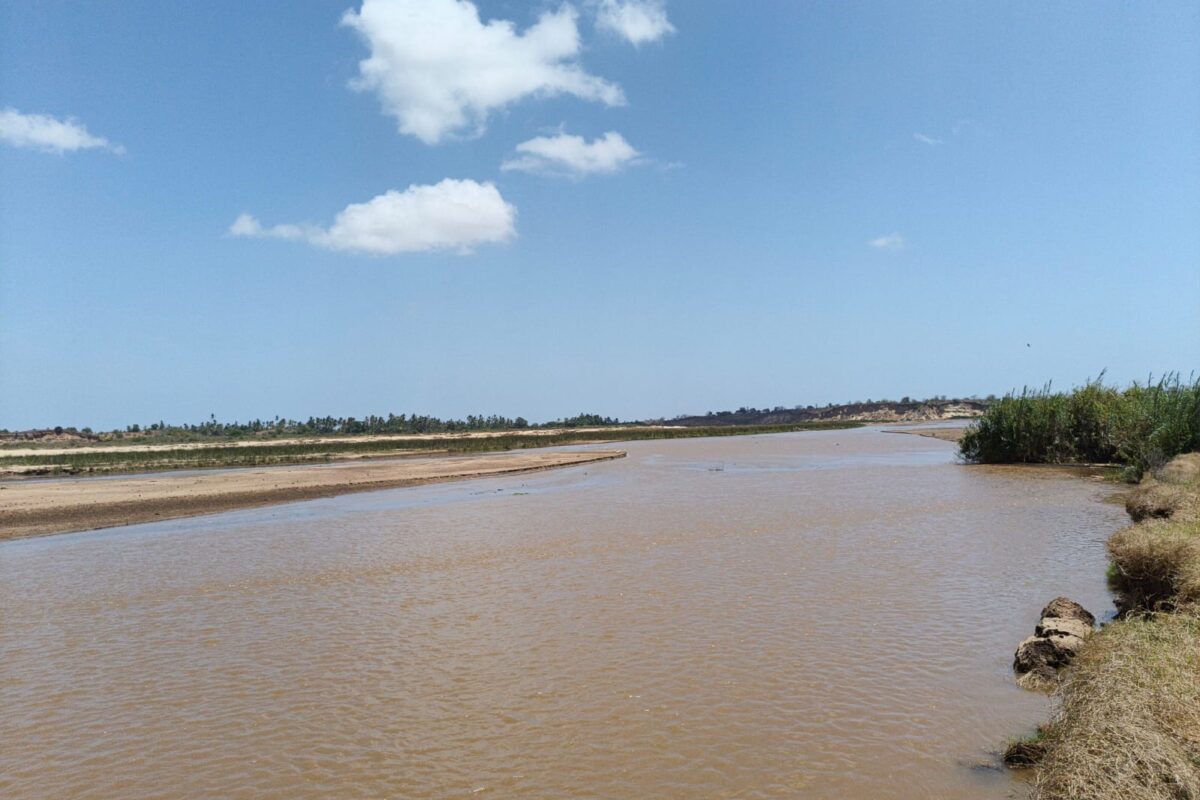
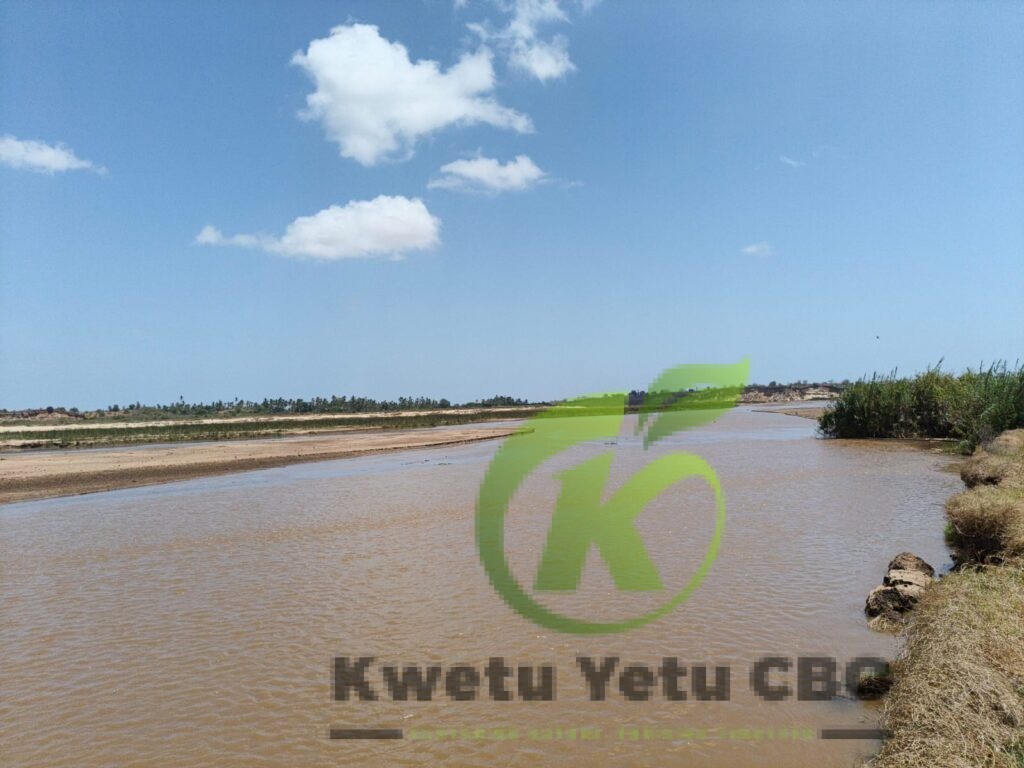
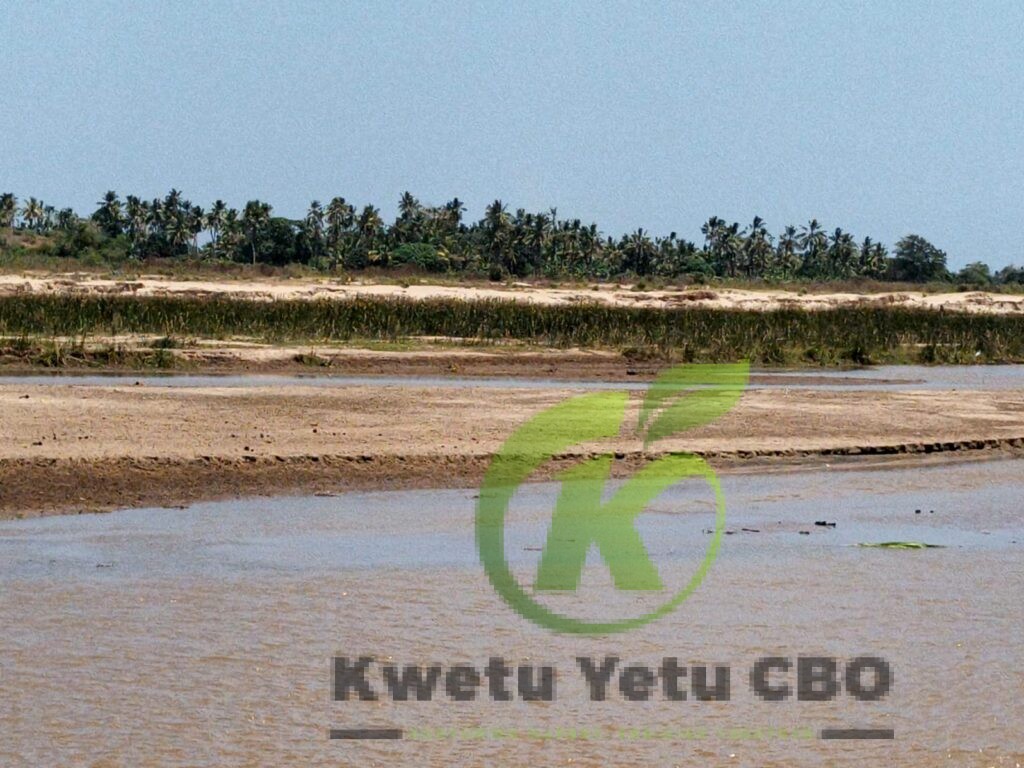
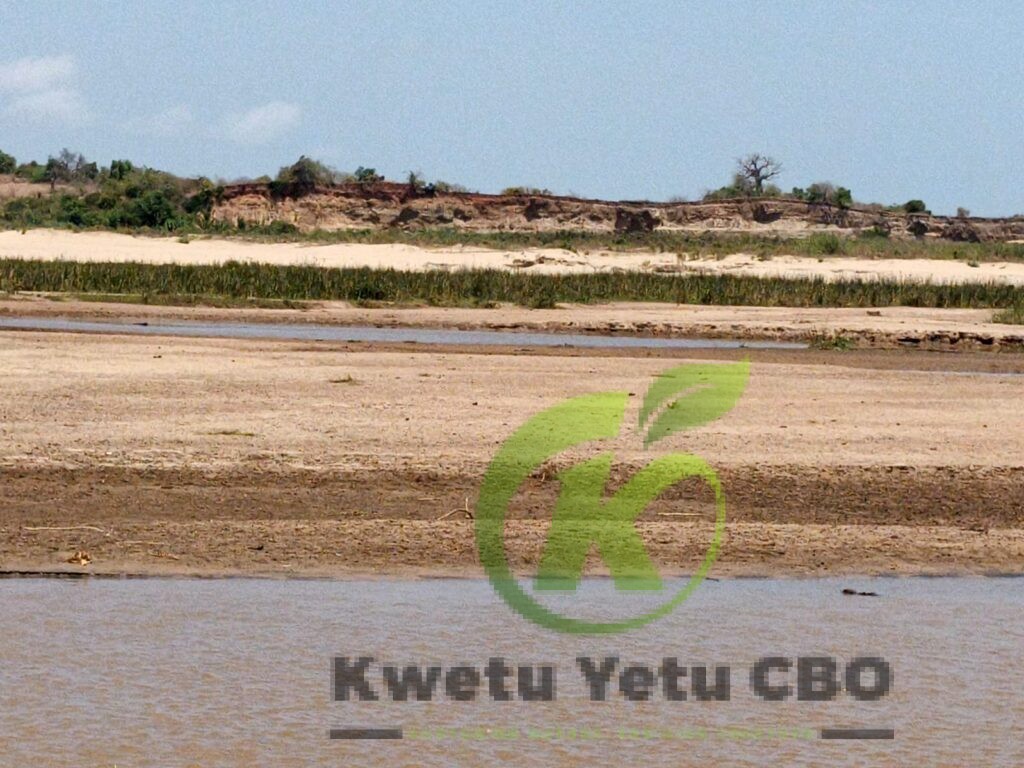
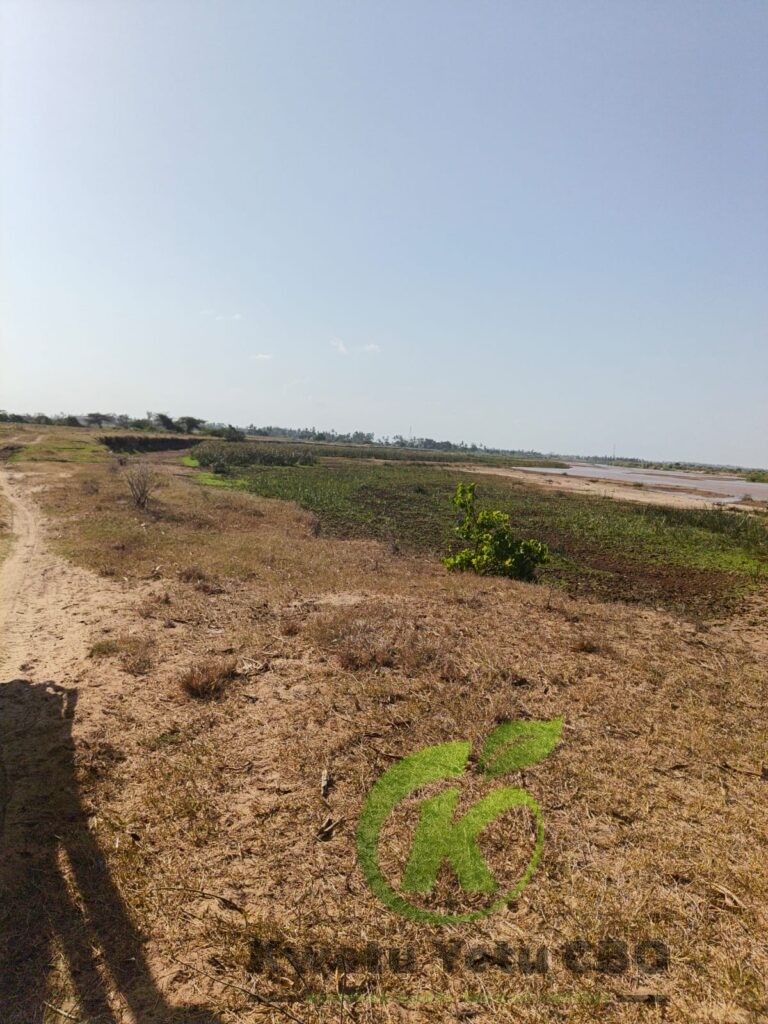
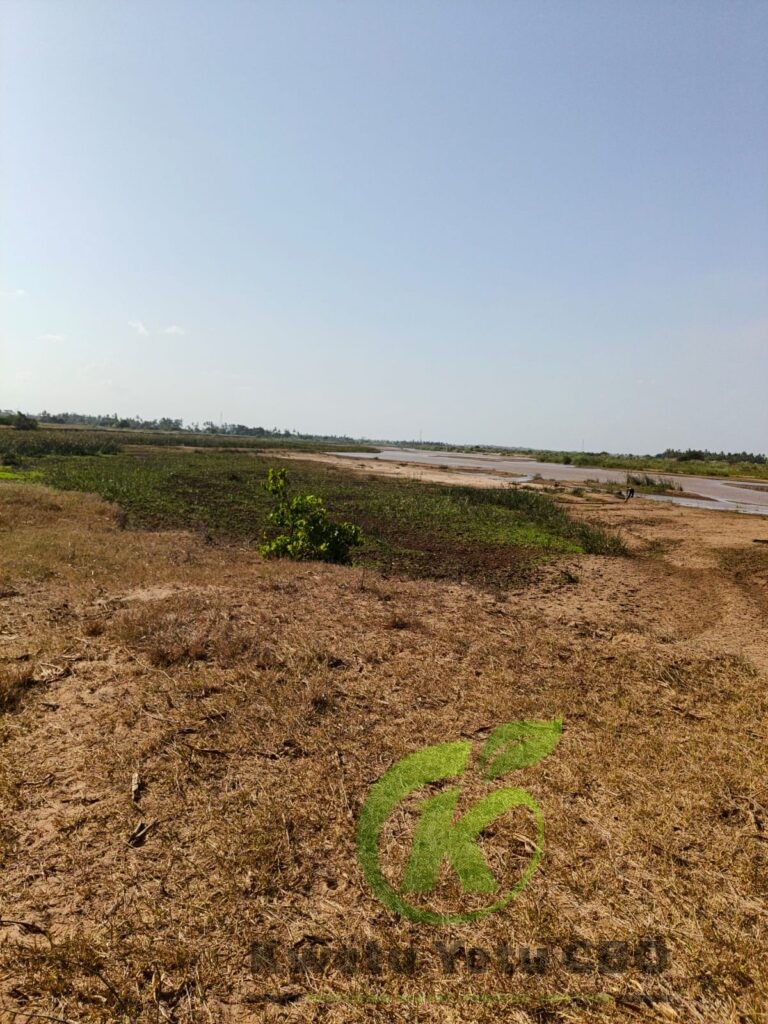
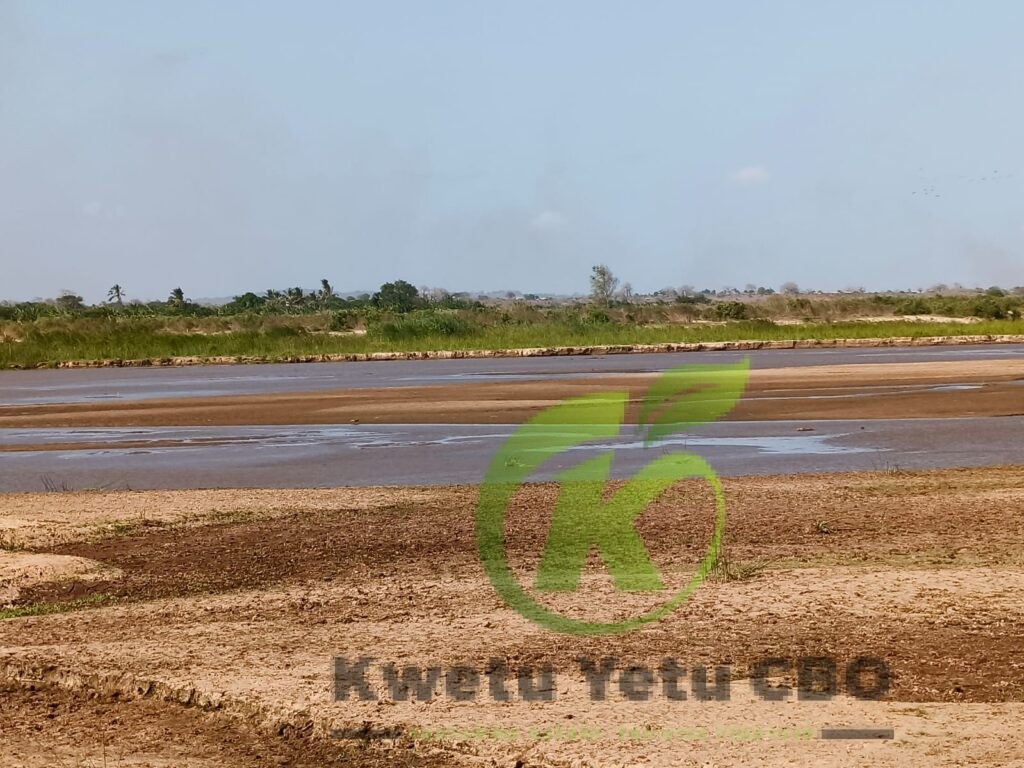
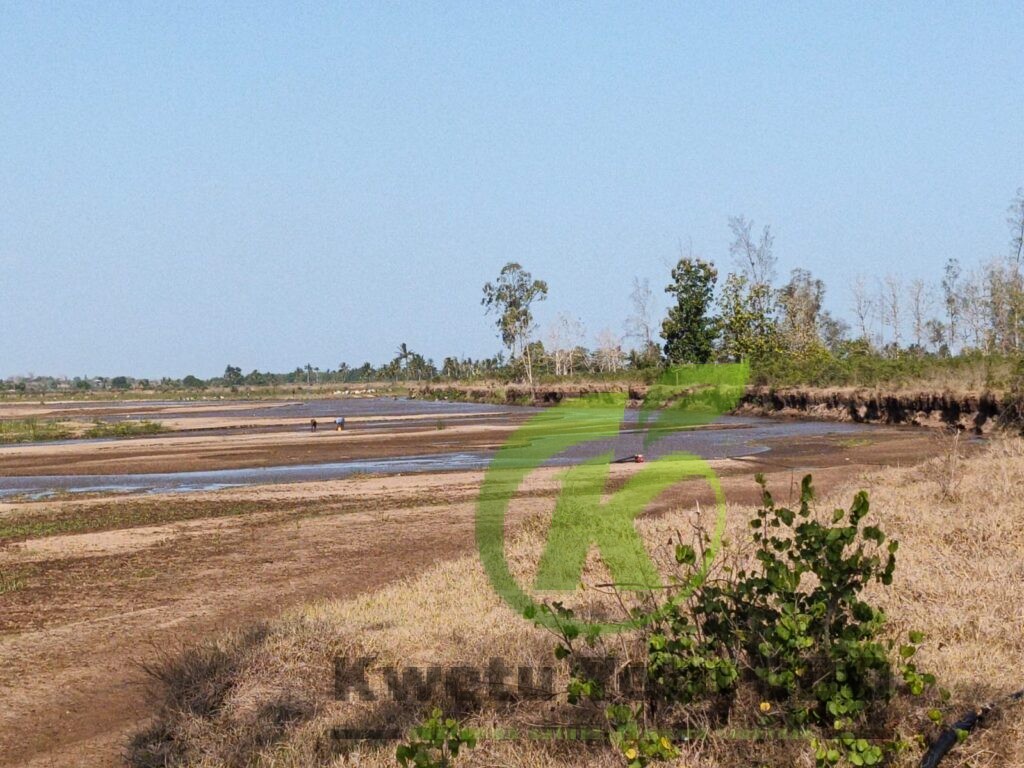
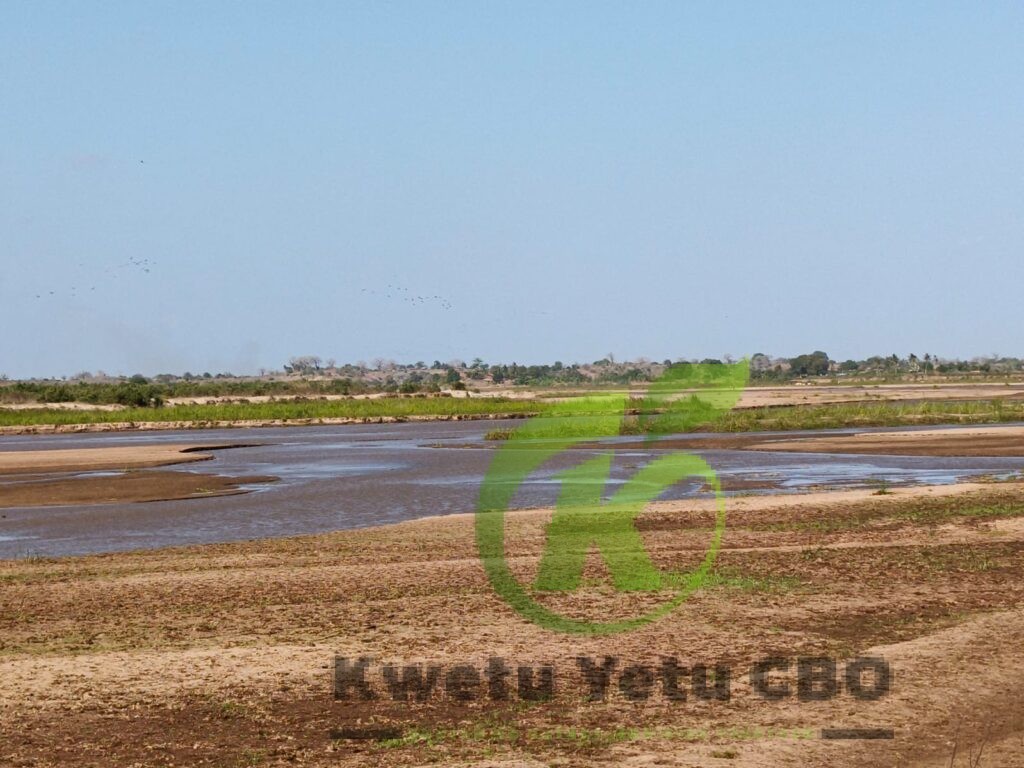
The Sabaki River is one of the lifelines of our community. It provides water for farming, domestic use, and supports local wildlife. Yet, over the years, we have witnessed the devastating consequences of flooding along its banks — farms washed away, land literally swallowed by the river, and even human-wildlife conflicts, particularly with hippos, becoming more common. These events remind us that how we manage land near the river has a direct impact on our lives.
According to Rule 116 of the Water Resources Management Rules, 2007, a 30-metre buffer zone should be maintained along all rivers and watercourses. This riparian zone is meant to be free from human development, cultivation, or any interference that could harm the river. It may seem like empty land, but in reality, it is a critical ecosystem that benefits both people and wildlife.
When well-maintained with trees and natural vegetation, riparian zones provide numerous advantages:
Flood and soil erosion control – tree roots stabilize the soil, preventing it from washing away during heavy rains.
Protection of river course – a healthy buffer helps the river maintain its natural flow.
Habitat for wildlife – animals such as hippos rely on these areas for feeding, reducing conflicts with humans.
Community resources – fruit trees and medicinal plants can thrive in the buffer, providing food and income.
Environmental benefits – vegetation improves air quality, sequesters carbon, and preserves biodiversity.
Ignoring the riparian zone has consequences. Farms near the river may be lost to flooding, soil fertility declines, and human-wildlife conflicts increase. Once land is washed away, it is almost impossible to reclaim, and the river may change course, affecting even more people.
We, as a community, have the power to protect and enhance riparian land. Planting native trees, avoiding cultivation near the river, and educating neighbors about the benefits of the buffer zone are small actions that produce big results. When we care for these 30 metres of land, we are protecting our homes, livelihoods, and the environment.
The riparian zone is not just a legal requirement — it is a shared resource for the benefit of all. By maintaining it, we safeguard the river, support wildlife, and ensure that future generations inherit a healthy, productive landscape.
Let us take responsibility. Together, we can nurture the Sabaki River and ensure it continues to sustain our community.
Planting Mangroves and Celebrating Local Knowledge – Kirepwe Island Restoration Event
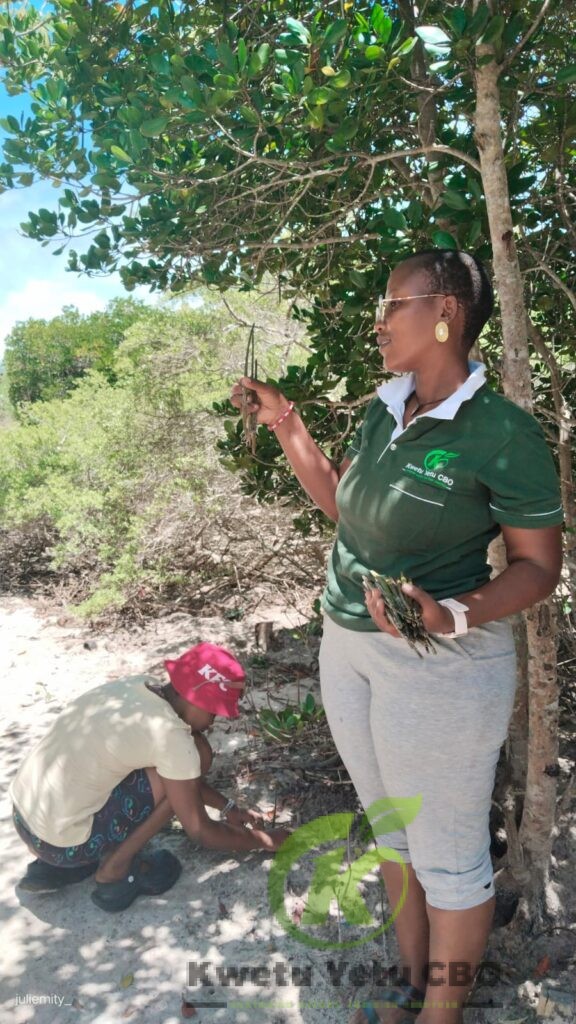
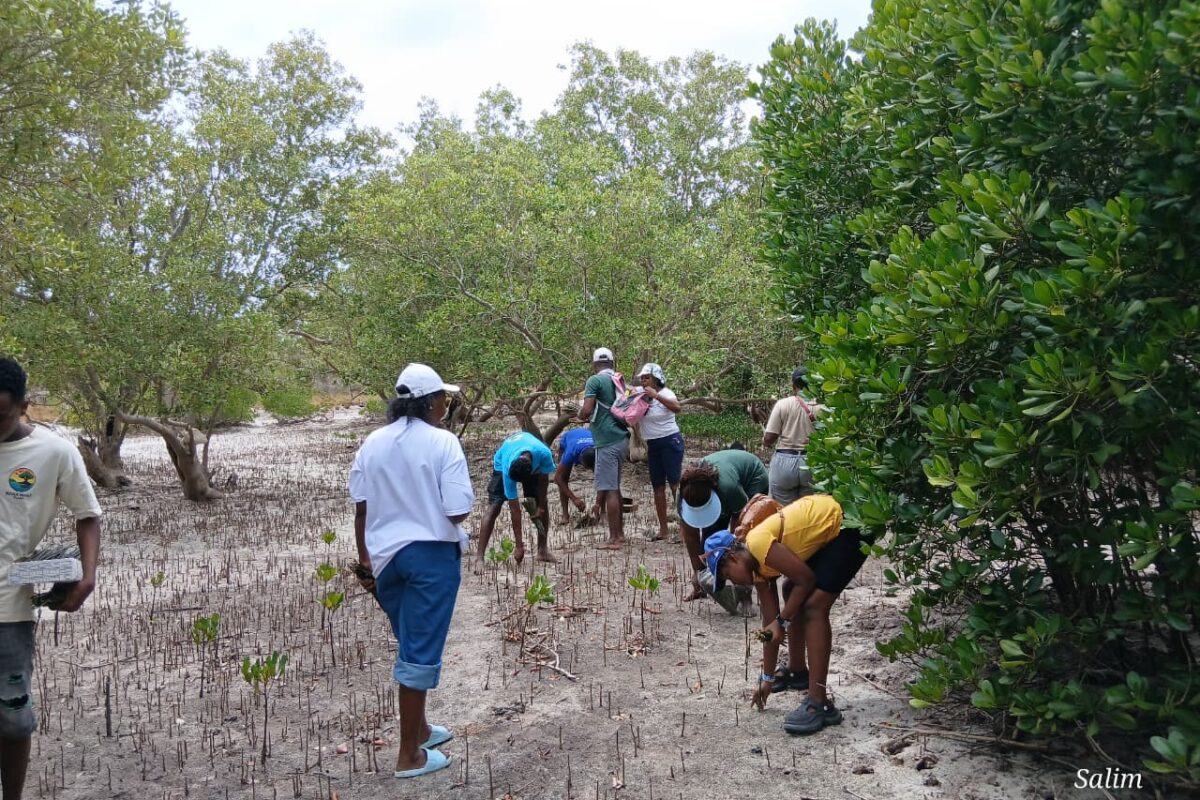
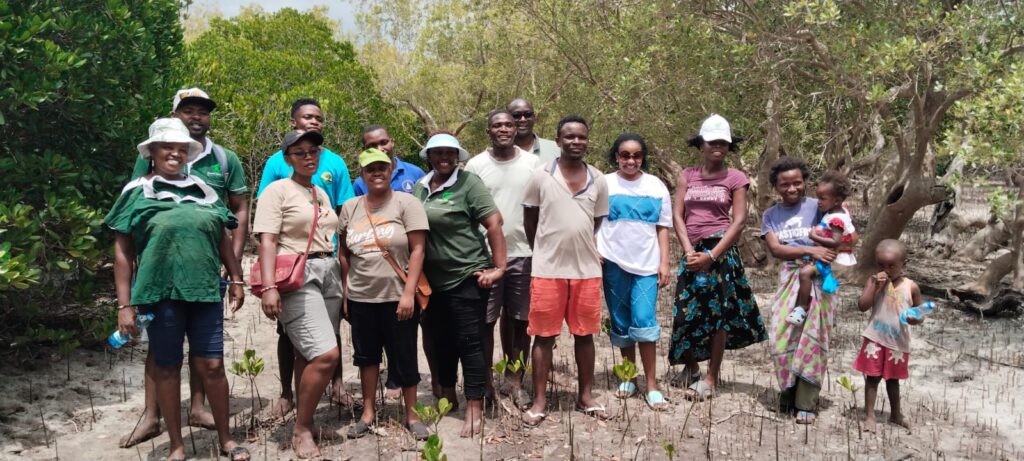
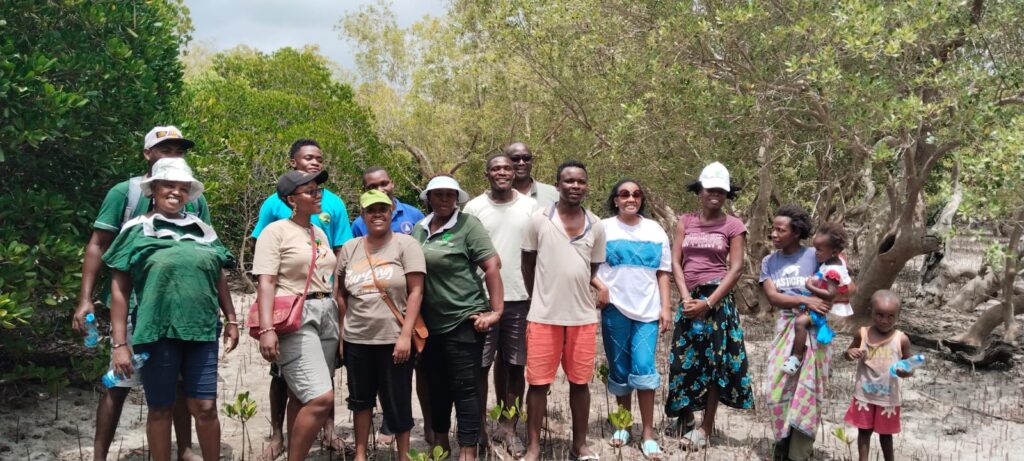
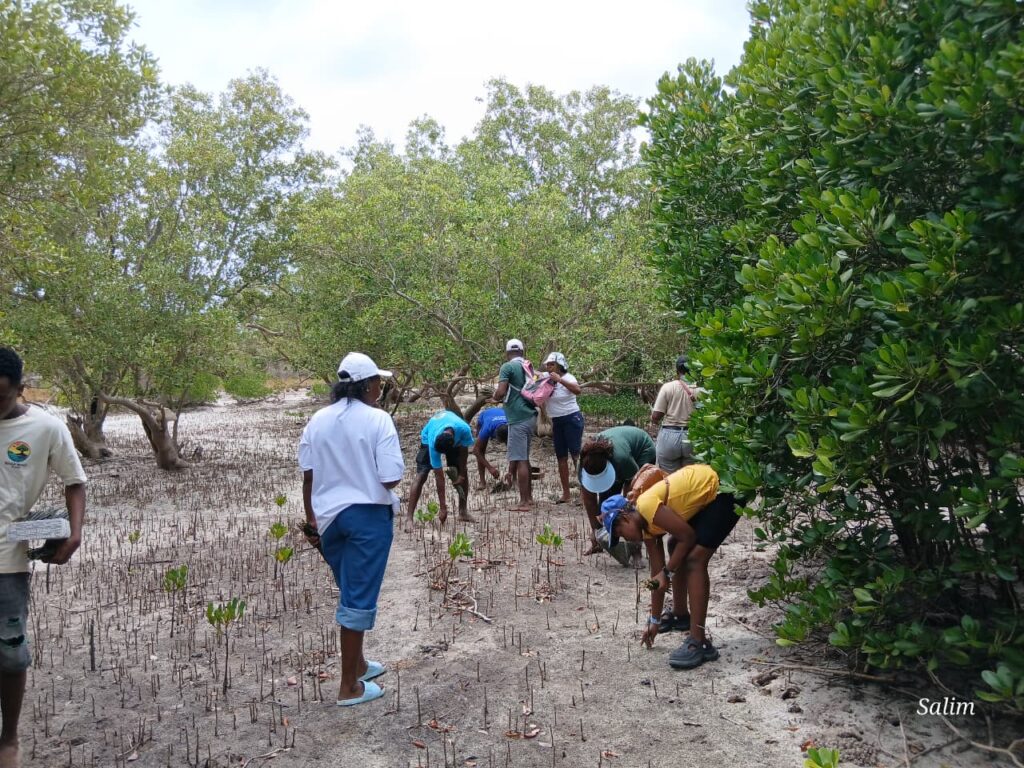
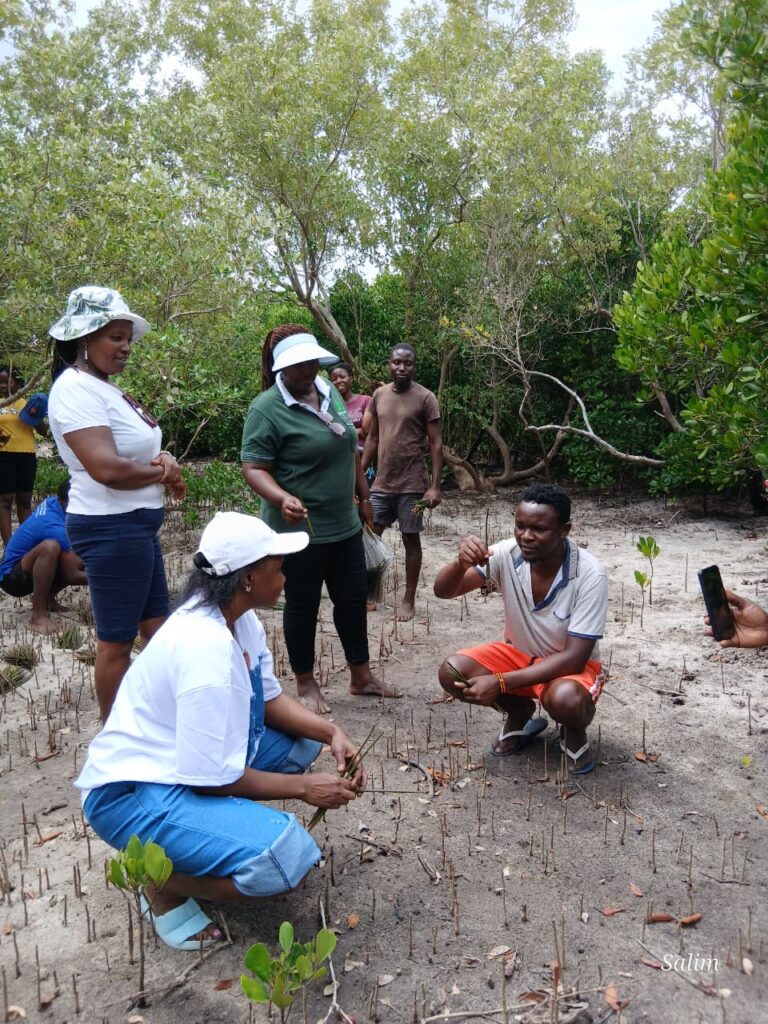
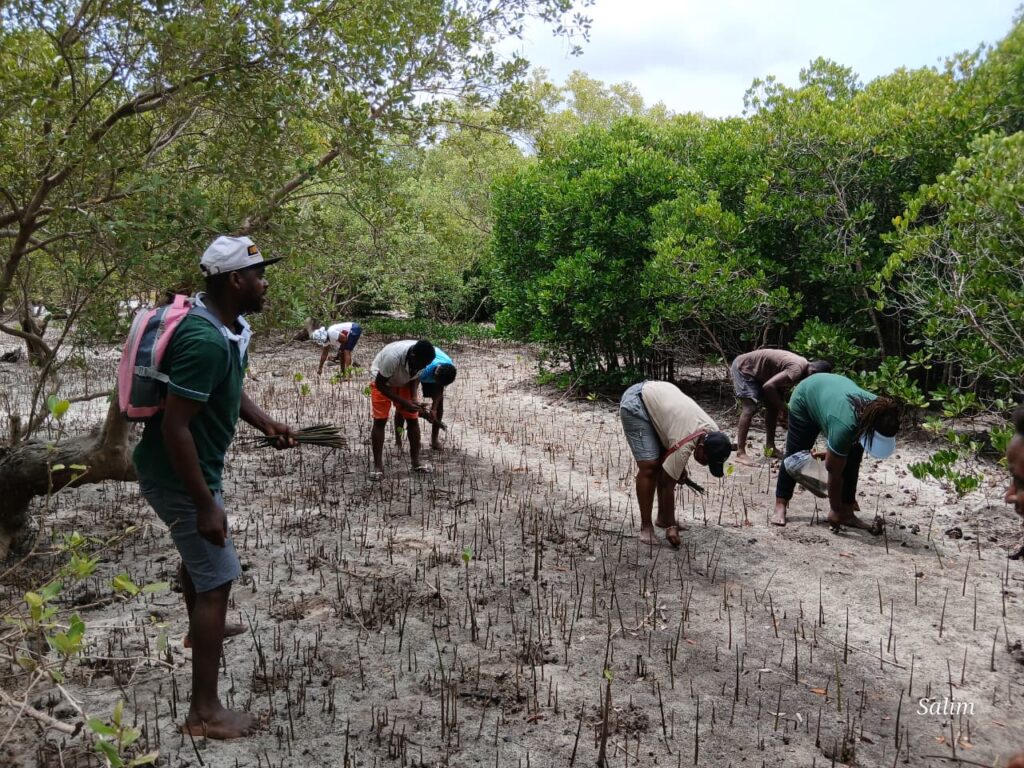
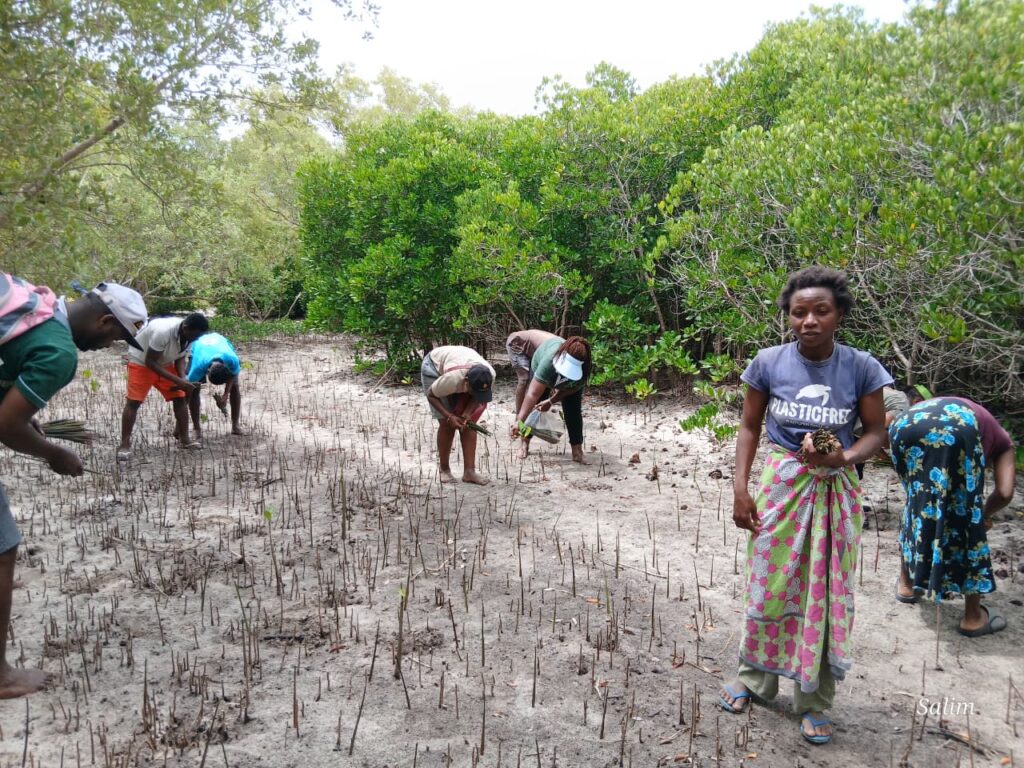
In preparation for World Wetlands Day 2026, Kwetu Yetu CBO partnered with the Kirepwe Youth Group to restore a section of Kirepwe Island’s mangrove creek ecosystem by planting Ceriops tagal mangroves, locally known as Mkandaa. The event was both a restoration activity and a learning experience, blending hands-on action with indigenous knowledge. The youth, many of whom have grown up around this ecosystem, collected the propagules themselves and guided sessions on mature propagule selection, root and shoot orientation, and proper spacing. Participants also learned why Mkandaa thrives in this section and how it helps stabilize the shoreline, protect communities from flooding, and support biodiversity.
For some participants, this was their first time planting mangroves, including local youth and visiting guests. The session became a rich learning exchange, as the youth shared insights passed down from their families on how communities have historically lived with and depended on the mangroves. We encouraged participants to further explore these traditions, emphasizing the value of traditional ecological knowledge in wetland and coastal conservation.
The day also included a boat tour around the island, allowing participants to connect directly with the creek and mangrove environment. It was inspiring to see community members actively restoring and caring for the ecosystem that has shaped their lives, while others learned from them and contributed to the work.
Through initiatives like this, Kwetu Yetu CBO continues to strengthen coastal resilience, biodiversity conservation, and community stewardship, demonstrating that science and indigenous knowledge together can sustain healthy wetlands for generations to come.
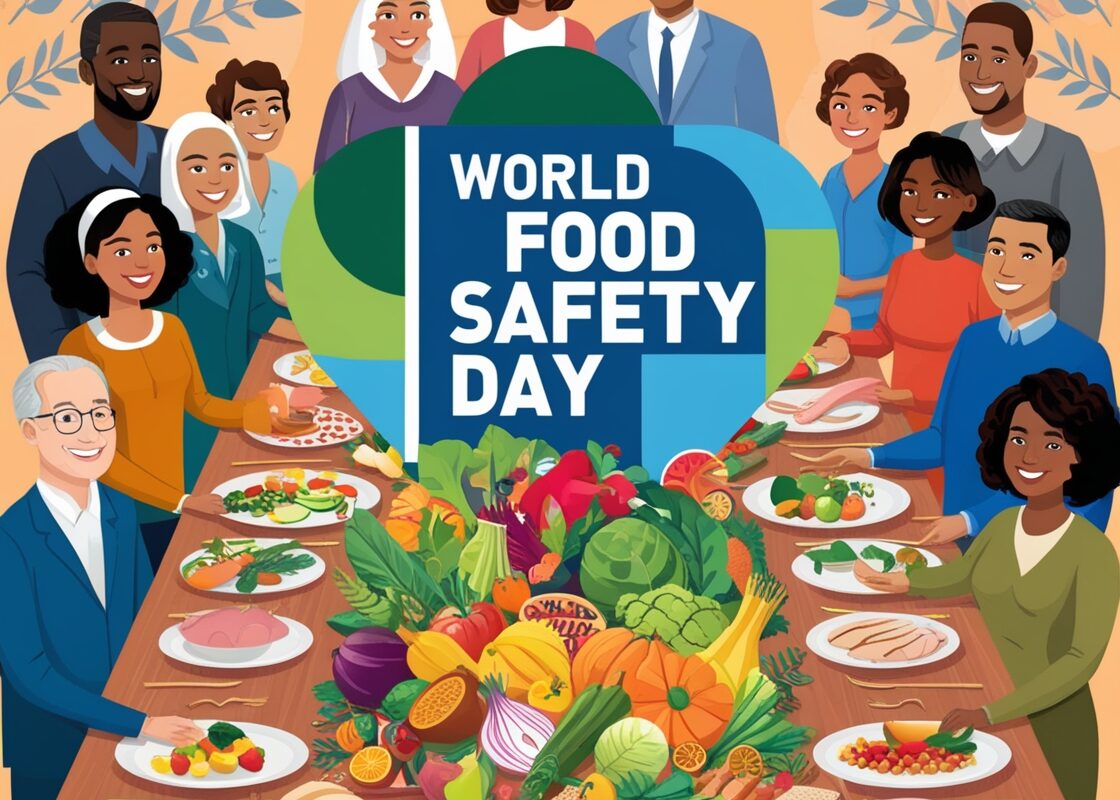
Food security is a serious concern all over the world, and mostly in sub-Saharan Africa. This has worsened over time due to climate change, which has led to a lot of other factors that make the situation worse.
They include erratic rainfall and reduced quantities, long duration of drought, increased pests and diseases, changes in temperature, especially on the higher side, and some areas that were never known to snow have had frost covering the ground, destroying crops.
Pest and plant diseases are on the rise, which necessitates the use of strong pesticides, leading to resistance and harm to the environment. Aflatoxins that results from certain type of moulds have worsened the food security and human health situation. The moulds grow on the food crops during harvest and post-harvest during storage. The attack is mainly on cereals like maize, rice, wheat,t that act as staple food for many communities, as well as nuts like groundnuts and other oil-producing crops.
The main groups of aflatoxins threatening human health and food security are G1, G2, B1 and B2, amongst others. They increase the chances of liver cancer, liver failure, immunosuppression and stunted growth in children. (Jolly et al, 2006). The most surprising thing about this silent killer is that it is not easily recognised with the naked eye and it continues to exist in the food chain when contaminated animal feed is fed to animals that are used af food or produce food products eaten by human being,s such as eggs, meat and even milk.