Rising Star Environmental Cleanup Drive

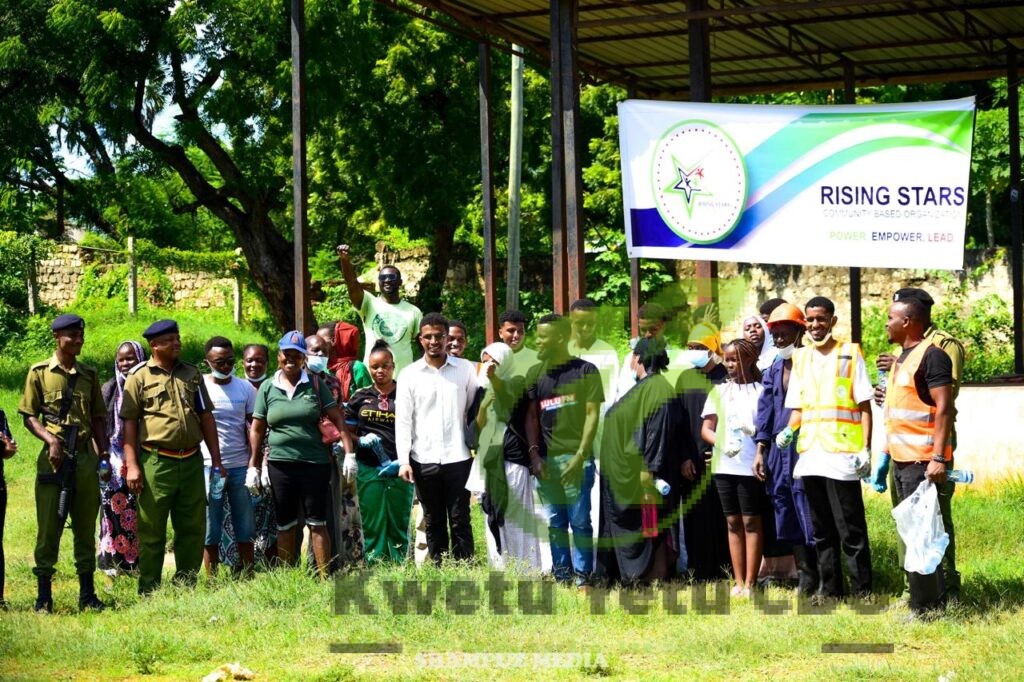
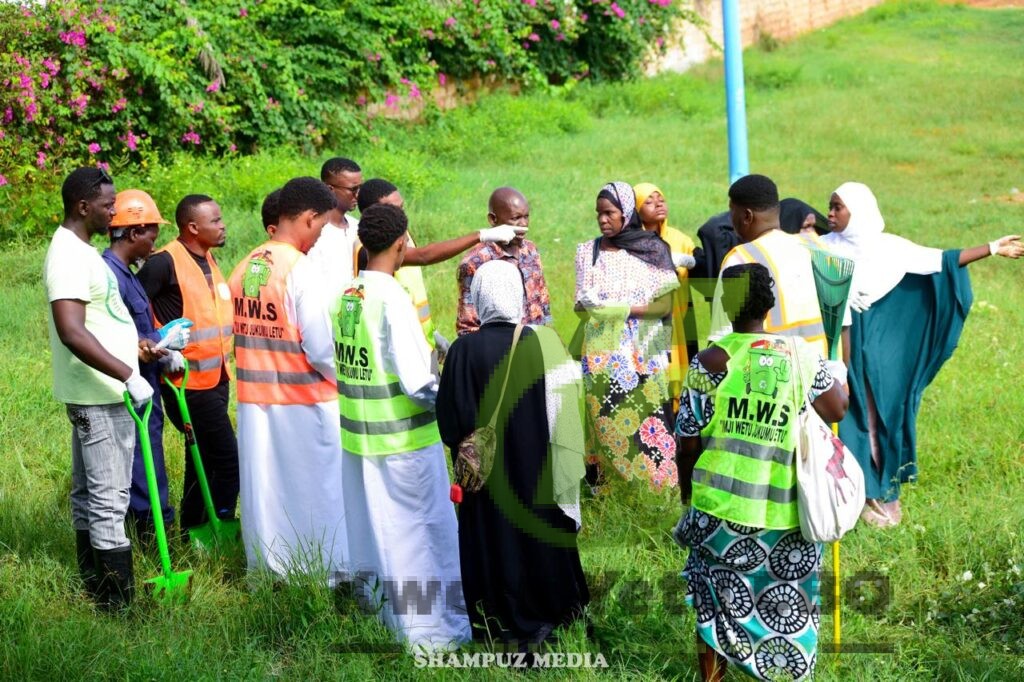
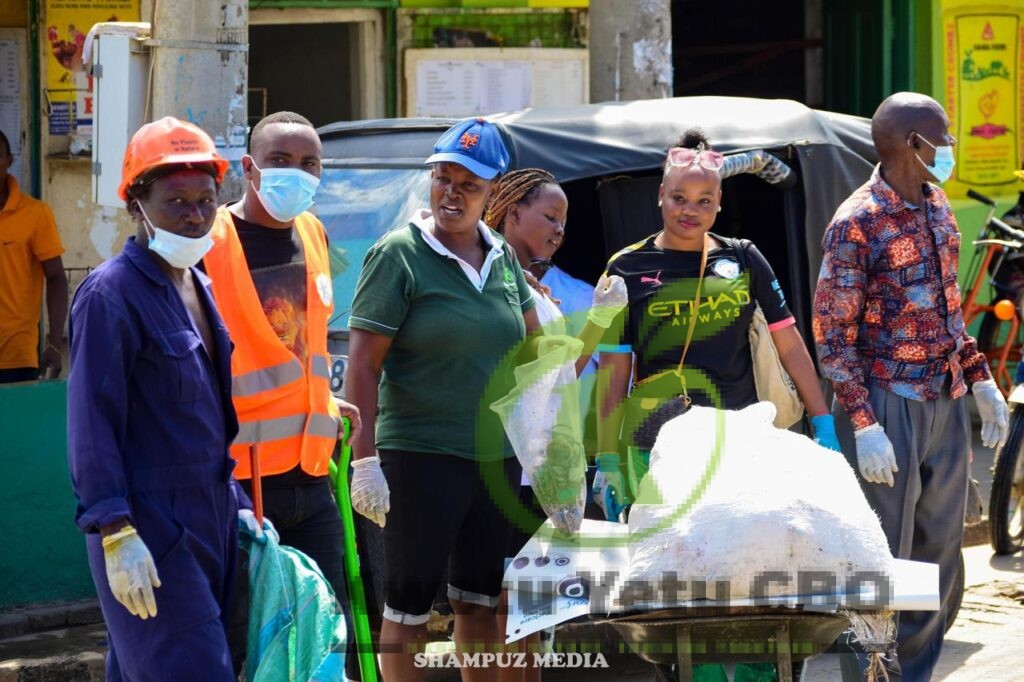
Kwetu yetu participated in a street clean-up organised by the Rising Stars organisation to commemorate World Environment Day 2025.
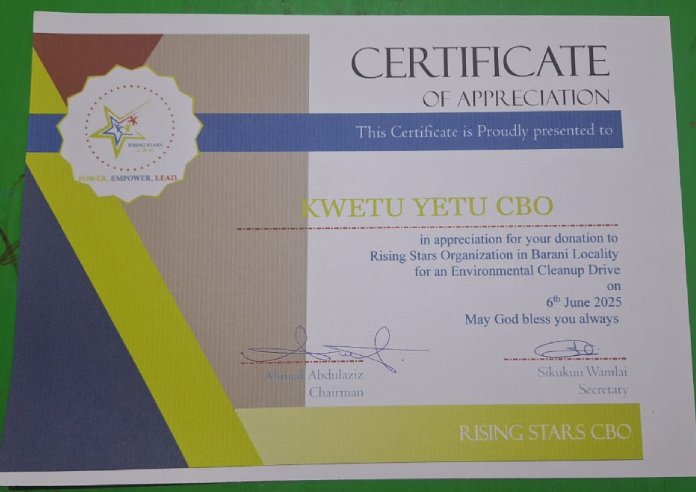
As an organisation that enhances the capacity of the people on matters related to the environment and sustainable Livelihoods, Kwetu yetu got a chance to share information about plastic pollution, especially the microplastics, to the cleanup participants.

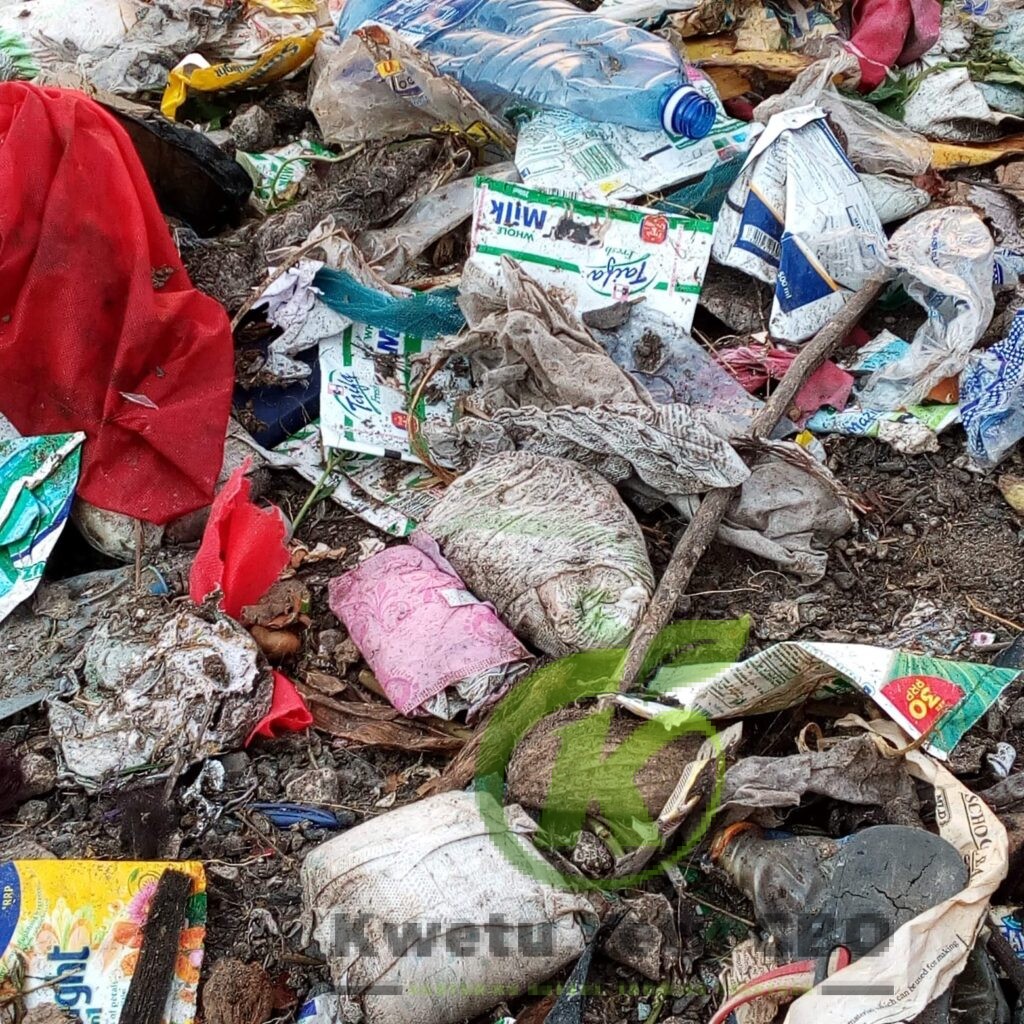
Kenya produces about 966,000 tonnes of plastic waste per year, of which only 6- 10 % is recycled.
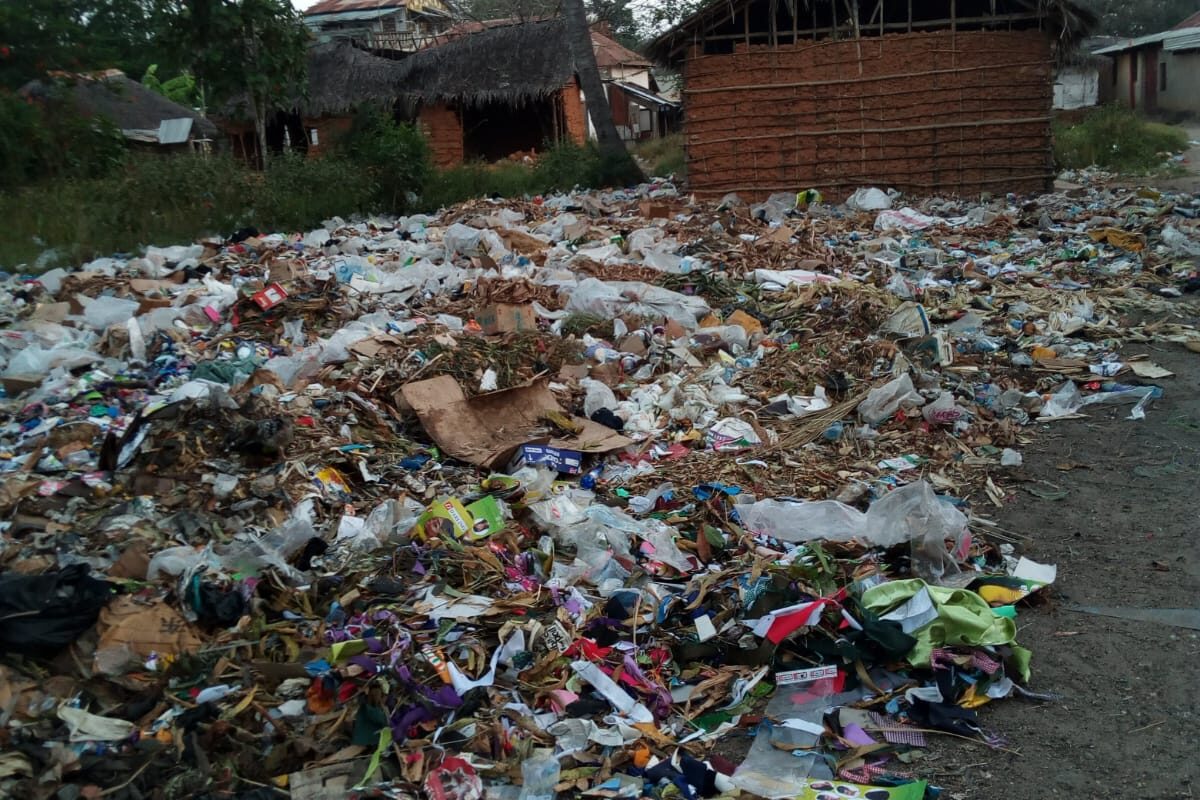
About 60% of this waste is single-use plastic, which gets discarded in the streets and ends up being washed into the rivers and oceans in the coastal areas.

Plastics also contaminate other water bodies as well as the soil, especially when they break down into microplastics.
The people of goodwill who had gathered at the stadium after a successful street clean-up were surprised when the kwetu yetu assistant chairperson, Julia Wahome, shared about microplastics being discovered in the blood and other body fluids.

The reality is that we are shooting ourselves in the foot by carelessly discarding the plastic waste into the environment because studies have shown that cases of microplastics in the brain have increased by 50% from previous years.

Microplastics have also been reported in human semen and in the placenta. It is evident that we are literally killing ourselves from the source.

As an organisation, we advocate for everyone, especially in the urban areas where more plastic wastes are produced, to accept the call to segregate the waste, recycle what is recyclable and decompose all the biodegradable waste to enrich our soil.

We also call upon the government and all enforcement agencies to ensure all business premises have a waste management unit before trickling down the same to individual households.
We can win the plastic pollution war only if we come together as people, as a nation and as a globe.

Event link: Rising Stars Environmental Cleanup Drive
World Earth Day

Earth day began being celebrated in 1970 in the USA. The initial aim was to recognize the earth as the provider of all the resources we need for our survival and also ways we can give back by protecting it from harm.

In his write-up #LaudatoSí, the late Pope Francis ( may he rest in peace) encouraged Christians and the world at large to care for the Earth and keep it beautiful as God created it and intended it to be.

Unfortunately several decades later a threat to the earth was created by man in the name of plastics and it has threatened the very life of the earth by choking the oceans,the rivers,and the city streets.

Man in his endeavor to reduce the waste on the surface of the earth, resulted in heaping the waste in small and bigger piles in different corners where humans live and then set it ablaze producing deadly fumes.

This has brought about respiratory problems to the people living around the dumpsite. It has also resulted in micro plastic poisoning. This occurs when the plastics break down in very tiny particles due to acts of nature which later get into the food chain when they are eaten by fish and other edible organisms .
Medical reports have shown micro plastics is semen and blood clot samples as well as other vital fluids of the body.

On Earth Day 2025, we are encouraged to embrace the circular economy, which leads to #zerowaste in the effort to #beatplasti,c which is the #theme for #earthday2025

This can happen if people agree to segregate waste at source (office/home) and reuse what can be reused and rot all the biodegradable materials.
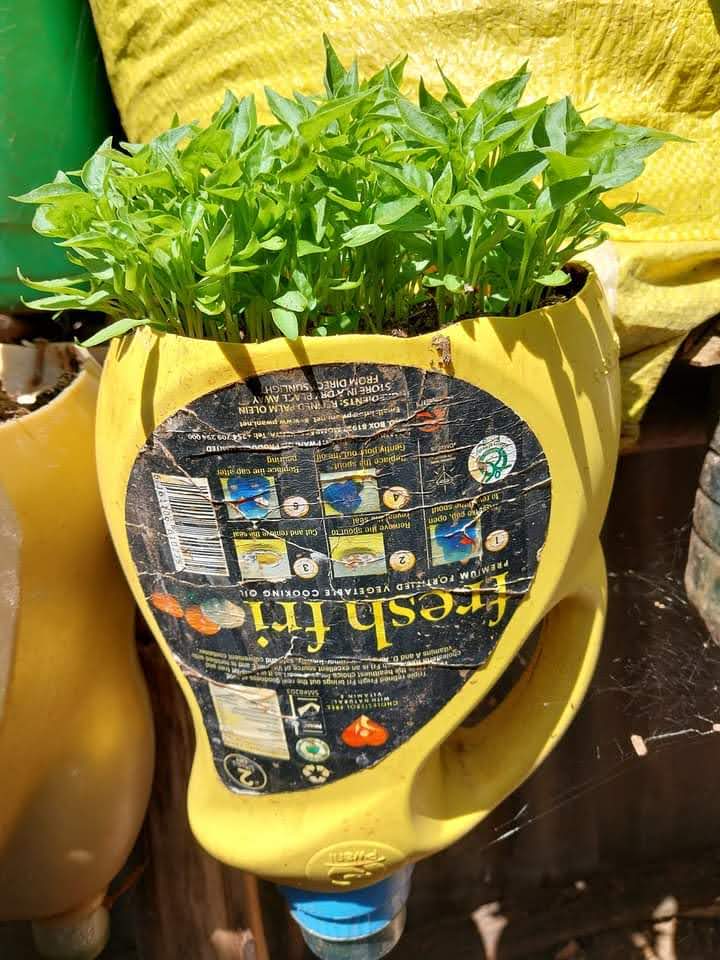
Plastic containers can be used as a balcony garden (as in the photo) therefore keeping it from going to the dumpsite or even worse to be washed down to our rivers and oceans.

Article by Julia Wahome

Renewable and Sustainable Sources of Energy

Sustainable use of energy is critical to improvement of the quality of life as well as promotion of environmental protection.

Use of renewable and sustainable sources of energy for cooking in rural areas reduces incidents of respiratory diseases especially amongst women and children who spend a lot of time in the smoke filled kitchens that are usually not well ventilated. This will not only save the forests but will reduce the medical burden on the health sector as well as the households.

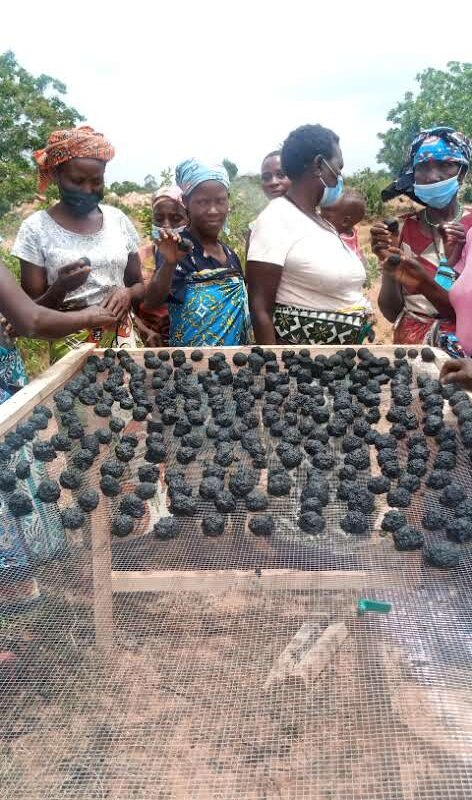
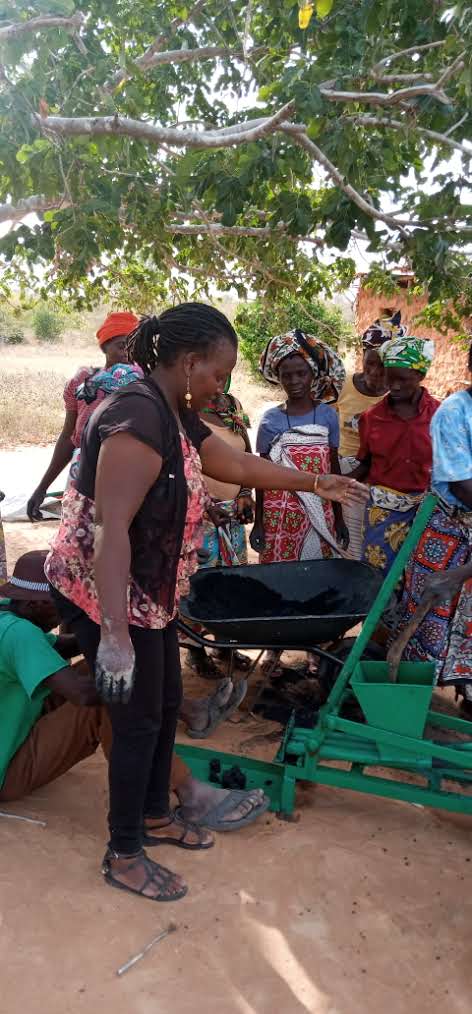
Biogas, energy efficient stoves,small solar lights and making charcoal briquettes from plant biomass are some of the ways to introduce sustainable energy use in rural areas.

Enhancing the capacity of the rural communities on energy conservation as well as emerging technologies would go a long way in the achievement of energy sustainability.

Giving financial and other incentives would encourage the communities to access as well as embrace energy conservation methods.
For example provision of daily or beef cows and biogas as a loan or grant would make biogas accessible to farmers .

Implementation of policies and regulations governing the energy sector is very important in the promotion of energy conservation. This would include tax waiver in the importation of renewable energy equipment, ensuring that builders are abiding by the energy efficiency regulations and standards.

Happy World Wetlands Day

Wetland ecosystems are covered by either salt, fresh and in-between water permanently or seasonally.
They offer very important ecosystem services for the stability of the environment and our future

The benefits include nutrient cycling, water cycling, acting as a habitat for macro and microorganisms, ecotourism sites, reduce the risk of flooding amongst others due to the increase in population and hence the increase in demand for building land or just sheer human greed, the wetlands are at great risk of being encroached. This will translate to the loss of all the ecosystem services and a lot of species, as well as the risk of loss of human life due to floods, water shortages, or disease outbreaks due to the lack of filtration service that wetlands offer.

We can however protect the wetlands by avoiding encroaching on them by implementing the guidelines provided by the law and also penalizing the encroaching parties.
Rehabilitation of the wetlands that have been destroyed by planting the right species for the area, especially the indigenous trees and grasses. Bamboo is a great species for the rehabilitation of wetlands and more species can be found in the Jaza Miti App that was developed by the Kenya forestry research institute in partnership with the Ministry of environment in Kenya.

Non-extractive use like bird watching, beekeeping, kayaking, and sustainable fishing amongst other economic activities may encourage the neighbouring communities to protect the Wetland because of the direct benefit they get. Sensitization of the community members including school children on the importance of wetlands is important as most people view them as an ecosystem that needs to be “corrected ” by draining them or filling them up.

As we celebrate this year’s World Wetlands Day, let us rethink our attitude towards the wetland ecosystems for the safety of our own future and that of the many species that depend on them.

Happy World Wetlands Day!

Article written by Julia Wahome

World Wetlands Day 2025

In the world today we have a lot of purified water being sold packaged by different companies. It is a good indicator that people are conscious of the water they consume. Most of this water is purified through the Reverse Osmosis process by a Reverse Osmosis Plant. Simply, a reverse osmosis (RO) plant works by applying high pressure to contaminated water, forcing it through a semipermeable membrane that allows only pure water molecules to pass through, leaving behind dissolved impurities like salts and minerals.

The purified water is then collected as clean drinking water while the concentrated waste is typically discarded. It’s fascinating that nature also has such a system in place that it is actually more advanced.
As surface water flows over land it carries with it pollutants. These pollutants usually depend on the land use and land cover the water passes through and may include soil particles, fertilisers, pesticides, grease and oil from machinery among others. When these waters flow through wetlands the pollutants are removed by sediment trapping, nutrient removal and chemical processes.

As water flows through a wetland, its velocity slows down, allowing suspended sediments and particles to settle out and accumulate on the Wetland floor. On nutrient removal, some wetland plants such as reeds have the ability to absorb nutrients like nitrogen and phosphorus through their roots and leaves. Microorganisms present in wetland soils mostly bacteria decompose organic pollutants including pesticides from agricultural lands and heavy metals into fewer substances. Some bacteria convert nitrate in the wetland soils into gaseous nitrogen, which is released into the atmosphere, thus reducing nitrogen levels in the water.

Wetland soils can also bind certain pollutants, like heavy metals, through adsorption processes, preventing them from leaching into the surrounding environment. It’s paramount that we protect mangroves, marshes, swamps, deltas and other wetlands to enjoy the immense benefits they have to offer for the well-being of all.

Happy Wetlands Day!

Article by Rael Nelly