We strive to be the best organization in Kenya in Empowering the community in sustainable management of natural resources and improvement of llivelihoods.
These are our normal opening hours. When we are closed can be found here.
Sustainable use of energy is critical to improvement of the quality of life as well as promotion of environmental protection.
Use of renewable and sustainable sources of energy for cooking in rural areas reduces incidents of respiratory diseases especially amongst women and children who spend a lot of time in the smoke filled kitchens that are usually not well ventilated. This will not only save the forests but will reduce the medical burden on the health sector as well as the households.
Biogas, energy efficient stoves,small solar lights and making charcoal briquettes from plant biomass are some of the ways to introduce sustainable energy use in rural areas.
Enhancing the capacity of the rural communities on energy conservation as well as emerging technologies would go a long way in the achievement of energy sustainability.
Giving financial and other incentives would encourage the communities to access as well as embrace energy conservation methods. For example provision of daily or beef cows and biogas as a loan or grant would make biogas accessible to farmers .
Implementation of policies and regulations governing the energy sector is very important in the promotion of energy conservation. This would include tax waiver in the importation of renewable energy equipment, ensuring that builders are abiding by the energy efficiency regulations and standards.
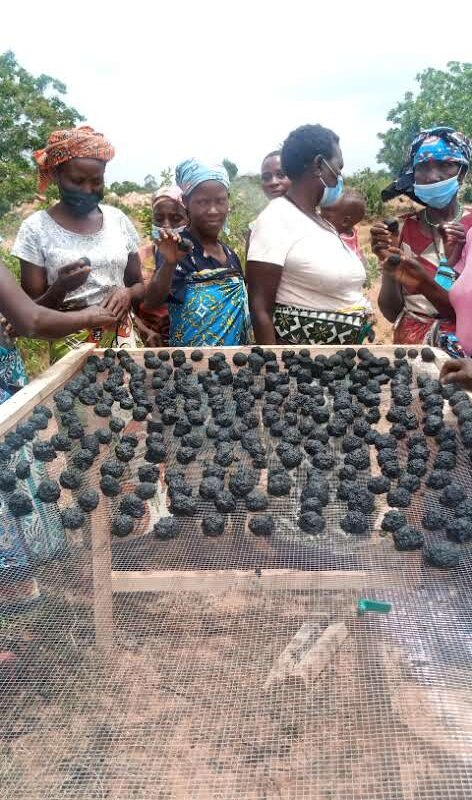
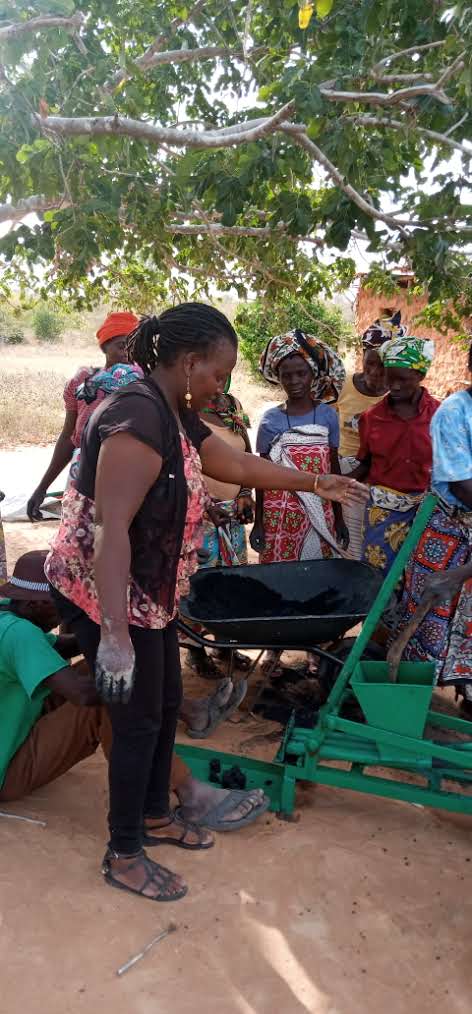
Energy conserving jiko made from mud and cement in MagariniFabricated briquettes making machineSun-drying briquettesBriquettes making training at Lango bayaMaking charcoal briquettes
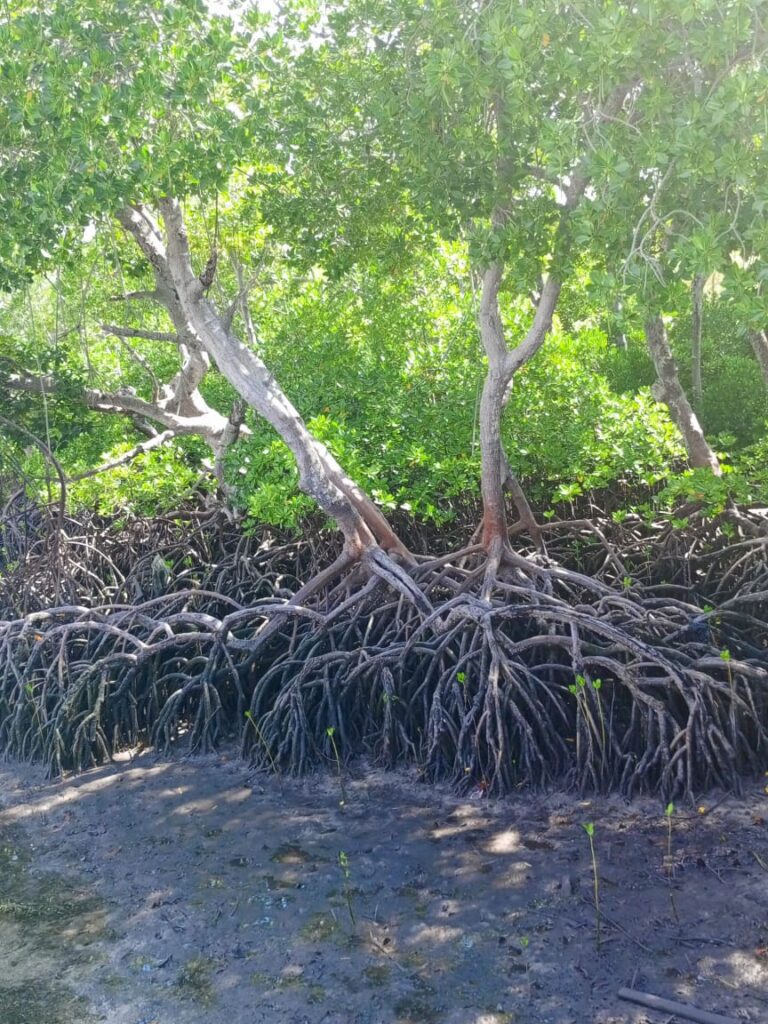
Wetland ecosystems are covered by either salt, fresh and in-between water permanently or seasonally. They offer very important ecosystem services for the stability of the environment and our future
The benefits include nutrient cycling, water cycling, acting as a habitat for macro and microorganisms, ecotourism sites, reduce the risk of flooding amongst others due to the increase in population and hence the increase in demand for building land or just sheer human greed, the wetlands are at great risk of being encroached. This will translate to the loss of all the ecosystem services and a lot of species, as well as the risk of loss of human life due to floods, water shortages, or disease outbreaks due to the lack of filtration service that wetlands offer.
We can however protect the wetlands by avoiding encroaching on them by implementing the guidelines provided by the law and also penalizing the encroaching parties. Rehabilitation of the wetlands that have been destroyed by planting the right species for the area, especially the indigenous trees and grasses. Bamboo is a great species for the rehabilitation of wetlands and more species can be found in the Jaza Miti App that was developed by the Kenya forestry research institute in partnership with the Ministry of environment in Kenya.
Non-extractive use like bird watching, beekeeping, kayaking, and sustainable fishing amongst other economic activities may encourage the neighbouring communities to protect the Wetland because of the direct benefit they get. Sensitization of the community members including school children on the importance of wetlands is important as most people view them as an ecosystem that needs to be “corrected ” by draining them or filling them up.
As we celebrate this year’s World Wetlands Day, let us rethink our attitude towards the wetland ecosystems for the safety of our own future and that of the many species that depend on them.
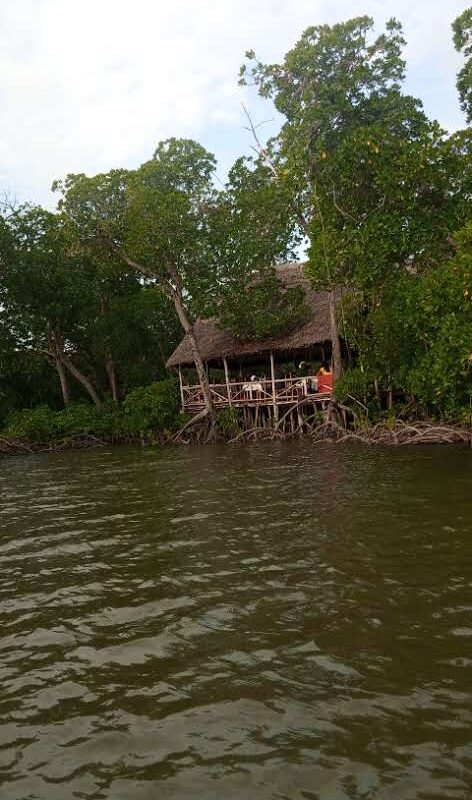
Mangrove planting and sensitization of all including children
In the world today we have a lot of purified water being sold packaged by different companies. It is a good indicator that people are conscious of the water they consume. Most of this water is purified through the Reverse Osmosis process by a Reverse Osmosis Plant. Simply, a reverse osmosis (RO) plant works by applying high pressure to contaminated water, forcing it through a semipermeable membrane that allows only pure water molecules to pass through, leaving behind dissolved impurities like salts and minerals.
The purified water is then collected as clean drinking water while the concentrated waste is typically discarded. It’s fascinating that nature also has such a system in place that it is actually more advanced. As surface water flows over land it carries with it pollutants. These pollutants usually depend on the land use and land cover the water passes through and may include soil particles, fertilisers, pesticides, grease and oil from machinery among others. When these waters flow through wetlands the pollutants are removed by sediment trapping, nutrient removal and chemical processes.
As water flows through a wetland, its velocity slows down, allowing suspended sediments and particles to settle out and accumulate on the Wetland floor. On nutrient removal, some wetland plants such as reeds have the ability to absorb nutrients like nitrogen and phosphorus through their roots and leaves. Microorganisms present in wetland soils mostly bacteria decompose organic pollutants including pesticides from agricultural lands and heavy metals into fewer substances. Some bacteria convert nitrate in the wetland soils into gaseous nitrogen, which is released into the atmosphere, thus reducing nitrogen levels in the water.
Wetland soils can also bind certain pollutants, like heavy metals, through adsorption processes, preventing them from leaching into the surrounding environment. It’s paramount that we protect mangroves, marshes, swamps, deltas and other wetlands to enjoy the immense benefits they have to offer for the well-being of all.
World Toilet Day 2024 Theme: Toilets, A Place for Peace
Until the spirit of sustainable ecosystems and livelihoods, this year’s World Sanitation Day should be viewed as a day to evaluate where we are at as a society in putting sanitation in the circular economy.
This can be done by ticking the achievement boxes and crossing the ones not met on the entire sanitation chain.
The evaluation will start by checking the provision or availability of toilets that are dignified and serves the purpose of providing “a place for peace “ .
Secondly to tick or cross whether the system used is able to collect the waste effectively which will there after be treated for ease and safety of handling during the transformation to renewable energy, organic fertilizer and clean water.
In a situation where dignified toilets, Waste collection system, Waste treatment and waste transformation boxes are all ticked then good health will be achieved,food security enhanced and jobs created.
However, despite the UN including the Open defecation free (ODF) as a goal in the sustainable development goals (goal 6) ,It is yet to be achieved especially in developing countries due to people reverting back to open defecation despite getting the certificate due to collapsing toilets .
Although there has been a decline in the open defecating households in the world from 1.3 billion to 419 million between 2000 and 2022,(journal of health, population and nutrition 43 ) there is still high open defecation in the sub Saharan Africa, Kenya included.
Date: 13th September 2024 Location: UNEP Headquarters, Nairobi Host: Ms. Inger Andersen, Under-Secretary-General of the United Nations and Executive Director of UNEP
In a heartwarming and powerful moment, Miriam, one of Kwetu Yetu CBO’s youngest ambassadors, stood proudly alongside other children from across Kenya at the United Nations Environment Programme (UNEP) headquarters in Nairobi. The group was on a mission to deliver an urgent message—one written by children, to the world. Their goal: to bring attention to the devastating impact of plastic pollution and urge global leaders to take immediate action.
A Voice for Change
As a member of Kwetu Yetu Community-Based Organization (CBO), which is dedicated to sustainable resource management, climate adaptation, and community empowerment, Miriam has been deeply involved in environmental initiatives from a young age. Kwetu Yetu’s tagline, “Nurturing Nature and Thriving Together,” reflects the values Miriam has grown up with—values she is now bringing to the international stage.
The letters presented to UNEP, written by children from Malindi, Kenya, conveyed a heartfelt plea to curb plastic pollution. These letters, filled with youthful hope and determination, highlighted the concerns that the next generation has about the environment they are inheriting. The children wrote passionately about the harm that plastic waste is causing to their communities, wildlife, and oceans, and called for urgent reforms in how plastic is produced, consumed, and disposed of.
A Memorable Occasion at UNEP
Ms. Inger Andersen, Under-Secretary-General of the United Nations and Executive Director of UNEP, warmly welcomed Miriam and her peers to the UNEP headquarters. In her address, Ms. Andersen praised the children for their commitment to environmental advocacy and emphasized the importance of listening to the voices of youth when shaping global policies on sustainability. She reiterated UNEP’s dedication to tackling plastic pollution through international cooperation and grassroots engagement, highlighting that the fight against plastic pollution requires a collective effort, from world leaders to the youngest citizens.
For Miriam, this was more than just a chance to deliver a letter; it was a moment to speak up for her generation, representing not just the children of Kwetu Yetu but also the future stewards of the planet. “We want to grow up in a world where nature is clean and healthy, and plastic is no longer a threat,” Miriam said during her visit. Her words resonated with everyone present, reminding the world that protecting the environment is a responsibility we all share.
Kwetu Yetu CBO: Leading the Charge for a Sustainable Future
Kwetu Yetu CBO has been at the forefront of environmental advocacy in Malindi, Kenya, engaging communities in sustainable resource management and climate adaptation initiatives. By empowering youth like Miriam to take active roles in environmental stewardship, Kwetu Yetu is ensuring that the next generation is equipped to lead the fight against climate change and environmental degradation. Through tree-planting drives, recycling programs, and educational campaigns, the CBO continues to make a tangible difference in the lives of local communities and the environment.
A Call to Action
The event at UNEP was a reminder that young people are not only the future—they are also the present, and their voices must be heard. Miriam, alongside her peers, reminded world leaders that the decisions they make today will shape the world that children will inherit tomorrow.
Kwetu Yetu CBO remains committed to nurturing nature and helping communities thrive together. With young champions like Miriam leading the way, there is hope that future generations will grow up in a world that is cleaner, greener, and free from the harmful impacts of plastic pollution.
Together, we can make a difference. Together, we can build a future where nature thrives.