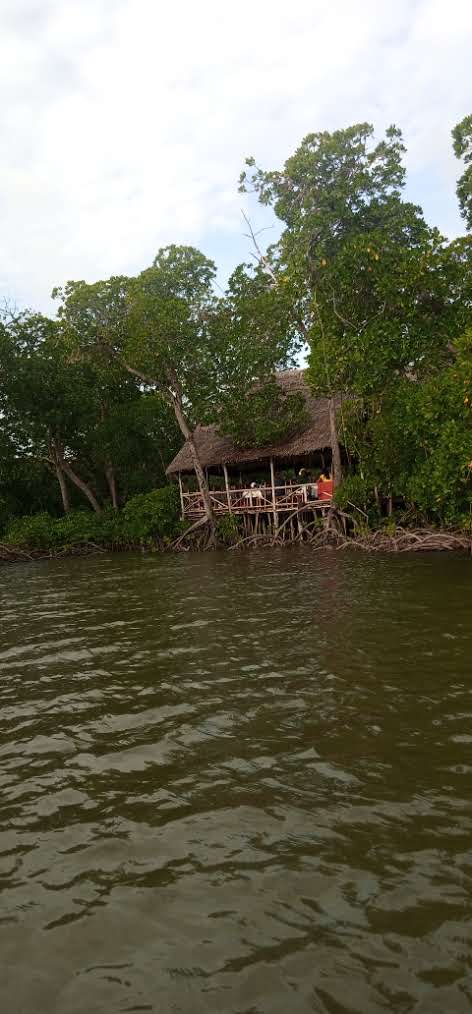
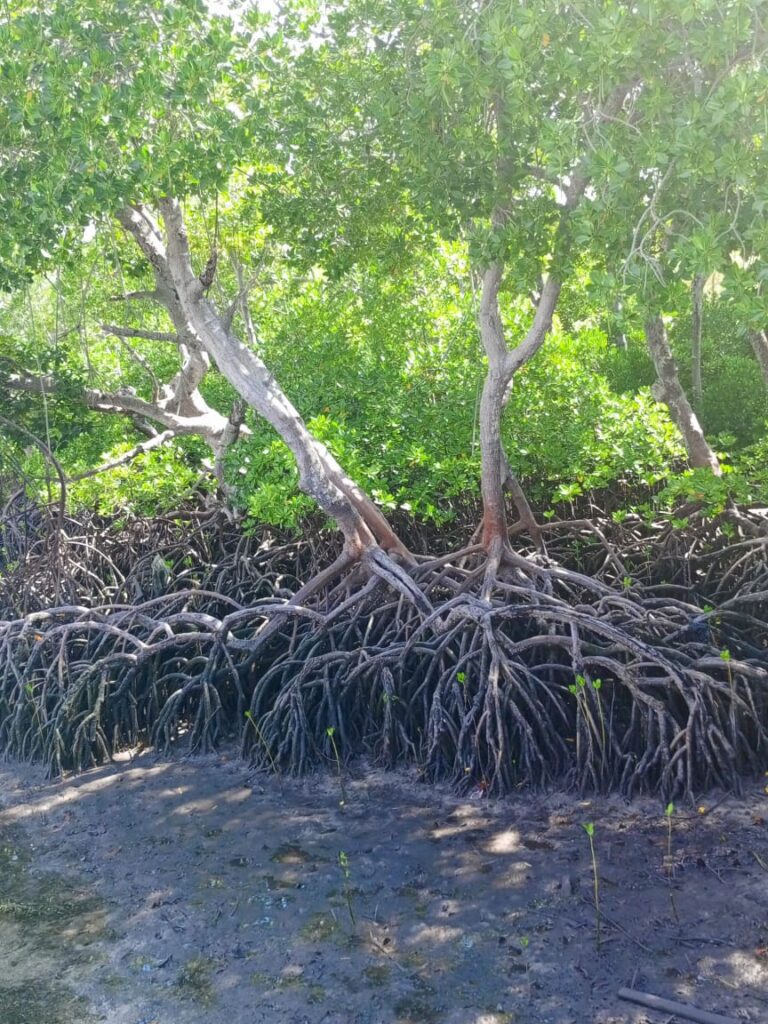
Wetland ecosystems are covered by either salt, fresh and in-between water permanently or seasonally.
They offer very important ecosystem services for the stability of the environment and our future
The benefits include nutrient cycling, water cycling, acting as a habitat for macro and microorganisms, ecotourism sites, reduce the risk of flooding amongst others due to the increase in population and hence the increase in demand for building land or just sheer human greed, the wetlands are at great risk of being encroached. This will translate to the loss of all the ecosystem services and a lot of species, as well as the risk of loss of human life due to floods, water shortages, or disease outbreaks due to the lack of filtration service that wetlands offer.
We can however protect the wetlands by avoiding encroaching on them by implementing the guidelines provided by the law and also penalizing the encroaching parties.
Rehabilitation of the wetlands that have been destroyed by planting the right species for the area, especially the indigenous trees and grasses. Bamboo is a great species for the rehabilitation of wetlands and more species can be found in the Jaza Miti App that was developed by the Kenya forestry research institute in partnership with the Ministry of environment in Kenya.
Non-extractive use like bird watching, beekeeping, kayaking, and sustainable fishing amongst other economic activities may encourage the neighbouring communities to protect the Wetland because of the direct benefit they get. Sensitization of the community members including school children on the importance of wetlands is important as most people view them as an ecosystem that needs to be “corrected ” by draining them or filling them up.
As we celebrate this year’s World Wetlands Day, let us rethink our attitude towards the wetland ecosystems for the safety of our own future and that of the many species that depend on them.


Happy World Wetlands Day!
Article written by Julia Wahome