Composting for a Greener Future: Tackling Desertification and Drought
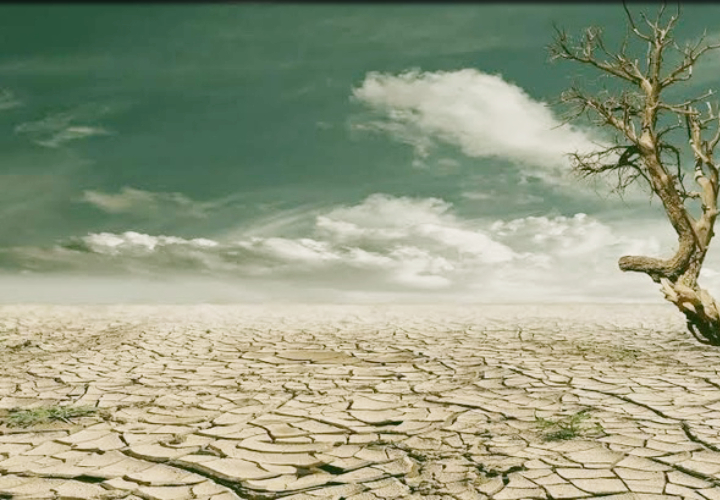
Desertification, the process by which fertile land becomes desert, typically due to drought, deforestation, or inappropriate agriculture, poses a significant threat to ecosystems and human livelihoods. The phenomenon affects millions globally, leading to food insecurity, loss of biodiversity, and displacement. As the world grapples with climate change, the need for sustainable solutions to combat desertification has never been more urgent. One such solution is composting.
Waste segregation and compositing are integral components of effective waste management and sustainability. Proper segregation is essential for effective waste composting and other waste management processes. Organic waste consists mainly of kitchen scraps, food waste, garden waste, and other biodegradable materials. Our project on composting is targeted towards promoting the recycling of organic waste at the source with an aim of improving soil quality and combating the climate crisis by reducing methane and other greenhouse gas emissions in landfills as a result of anaerobic processes.
The theme “United for land” for the 2024 World Day to Combat Desertification & Drought highlights the critical importance of collective action in addressing the pressing challenges of land degradation, desertification & drought. We are working on establishing a circular economy for the organic waste by safely returning it to the soil in the form of organic fertilizer. This is how composting is tackling desertification & drought;
- Enhancing Soil Structure & Fertility.
Compost adds organic matter that improves soil structure & provides essential nutrients that support plant growth. Better soils & healthy vegetation increase the soils’ ability to retain water and reduce runoff & erosion.
- Increase in Water Retention Capacity.
Organic matter in compost increases the soil’s ability to hold water. Mulching with compost reduces surface evaporation, conserving soil moisture.
- Mitigating Erosion
By improving soil structure & increasing vegetation cover, compost helps to stabilize soil & reduce erosion by wind & water.
- Supporting Soil Biodiversity
Compost introduces beneficial microorganisms into the soil which contribute to a more resilient soil ecosystem, better able to withstand stressors like drought.
- Carbon Sequestration
Increasing soil organic carbon improves soil fertility & structure, which is crucial for combating desertification.
- Promoting plant growth
By providing essential nutrients & improving soil health, compost supports the growth of vegetation, which is vital for stabilizing soils & maintaining the water cycle in dry lands.
- Encouraging Sustainable Land Management
Composting organic waste reduces the need for chemical fertilizers, which can harm soil health & biodiversity which rehabilitate degraded land & prevent desertification.
As the global community seeks to address the challenges of desertification and climate change, composting stands out as a practical and effective tool. With the right support and policies in place, composting can help transform barren landscapes into thriving ecosystems, securing a healthier and more sustainable future for all.
Article written by: Rael Nelly.